
| No | Name | Description |
|---|---|---|
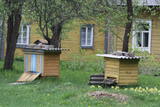 |
Ja mērķis ir savākt pilnvērtīgu etnogrāfisko ciemu fotokolekciju, ir jāapskata Strazdi (no lietuviešu valodas strazdai tulkojumā nozīmē strazds), kas ir pavisam neliela apdzīvota vieta Balošas (Baluošas) ezera ziemeļu krastā. Strazdi pirmoreiz rakstos minēti 1783. g. un ciema nosaukums cēlies no kādas mežziņu dzimtas uzvārda. |
|
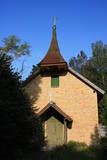 |
Atrodas Labraga – Apriķu ceļa malā. Kāds nostāsts vēsta, ka to 1896. gadā cēlis vietējais muižkungs, kurš vēlējies, lai viņa meitas laulības notiktu baznīcā. Dievnamā atrodas altārglezna "Kristus pie krusta un Sv. Marija Magdalēna", kas gleznota 19. gadsimtā (autors T. Šprengels). |
|
 |
Krodziņš "Mežavējš" atrodas Rīgas - Liepājas šosejas 101. kilometrā. Krodziņa ēdienkartē iekļauti latviskie ēdieni. Latviešu virtuve: Skābu kāpostu zupa, biešu zupa, skābeņu zupa, aukstā zupa, kartupeļu pankūkas, plānās pankūkas ar ievārījumu, šmorētas cūkgaļas ribiņas, zemnieku cienasts, mājas kotletes, auzu pārslu kārtojums, rupjmaizes kārtojums. |
|
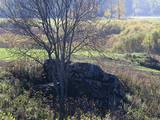 |
The Boulder of Purmaļi is the biggest boulder in Rēzekne district and one of the 20 biggest boulders in
Latvia. It is located on the escarpment surrounded by the trees and the bushes. Perimeter 18,5 m, height 3,2 m,
lenght 5,6 m, width 4,7, surface volume 30 m3.
|
|
 |
This is an area where migrating birds seek shelter and food all around the year. Seen most often here are the red-throated and black-throated loon, the common shelduck, the long-tailed duck, the velvet scoter and the little gull. The territory is also important for the protection of reefs. It lies opposite the Dundaga, Roja and Engure administrative districts, as well as the city of Jūrmala, and it covers 132,173 hectares of territory. The marine parts of the Engure Nature Park and the Ķemeri National Park are covered.
|
|
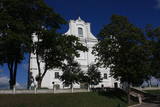 |
The first wooden Catholic church in Dagda was built in 1705, while the church that is seen today was built in the Baroque style during the latter half of the 18th century, the work financed by a local nobleman. Important interior elements include the altar, the pulpit, the organ, a monument to the Hilsen dynasty, etc. To the North of the church is historical Dagda itself, with typical red brick buildings from the early 20th century that are known as the former homes of Jewish merchants.
|
|
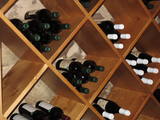 |
In the 400-year old manor’s cellars (possibly the oldest in Latvia) one is offered to taste the home-made wines produced in Kurzeme (3-7 different wines), as well as the special wine of Shlokenbeka manor with the indigenous countryside goods (you are promised a suprise!) |
|
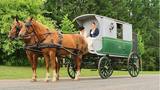 |
An age-old twisting postal road between Tartu and Võru takes travellers to Varbuse postal station dating from 1863. The Estonian Road Museum is housed in this well-preserved complex of a postal station which creates a wonderful setting for displaying the history of travelling and roads, traffic regulation and machinery. Cross-sections of road pavements disclose the secrets of road building. An outdoor display shows stretches of historic roads from Estonia and former Livonia creating an authentic ambience of the past. |
|
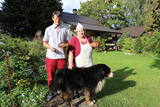 |
In the Berzini homestead they bake exceptionally tasty wheat and rye bread in accordance with the old folk recipes. The taste and smell is the result of baking bread in a special oven which is more than 70 years old. It is possible to order bread, or, having booked a visit beforehand, to make and bake your own bread loaf. The owners will teach you bread baking traditions and use recipes from their ancestors to bake loaves in a true bread oven. |
|
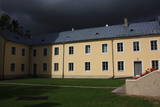 |
The origins of the castle date back to 1237. The closed yard that was typical of Medieval castles has been preserved. The interior took on its Historicism design in the mid-19th century, but there are also more ancient elements such as the gate tower, the basic walls, the firing apertures, the vaulted structures, the window apertures, etc. The Jēkabpils Museum of History was installed in the castle in 1994, and it can be toured in the company of a guide or an audio guide. |
|
 3 days
|
This trip will allow you to visit a farm in Kurzeme and to experience the diversity of its output. Tasty and interesting! From Rīga, the road will lead you along the Gulf of Riga and through fishing villages which are full of the aroma of smoked fish. On the way to Talsi, you will visit an orchard and farm that produces apple chips. Talsi is known not just as the town on nine hills, but also as the home of the tasty "Talsi Wheel" brand of cheese. Also here is the Latvian Agriculture Museum with an exhibition about farming from the late 19th century to the present day. The symbol of Kuldīga is a red brick bridge across the Venta River, as well as the charming Old Town. Next you will visit the seashore to learn about fishing, fish smoking and bread baking traditions. Visit the unique steep shores of Jūrkalne. On the way back you will visit a winemaking facility and a farm where shiitake mushrooms are grown. You will also learn about the path of milk from a cow to finished dairy products and visit a farm at which people will tell you about the story of their family which dates back to the age of noblemen and baronial estate. |
|
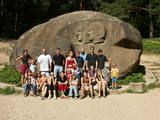 |
The “backbone” to this park is the valley of the Šventoji (Holy) River. One of the most impressive Devonian cliffs in Lithuania can be seen from the river – Vetygalos atodanga. On the shores of the Varius stream is a cliff made of quartz and sand – Variaus atodanga. 6 km to the S of Anykščiai is Lithuania’s second largest rock (5.7 m high, ~100 m3) – Puntukas akmuo.
|
|
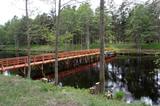 |
This is an artificial body of water that was dug in the 1960s to obtain ice for fish processing plants in Kolka. |
|
 |
Guests to the Dīķīši homestead in the Amata Parish will be greeted by several Samoyed dogs and intelligent little donkeys that will bring the guests to a place for glamping next to the pond. You can hike down two trails of different lengths of enjoy the opportunities that exist when Latvians share places where they find mushrooms and berries. A special adventure is creating artworks from natural materials that have been collected in the forest. The accommodations are appropriate for people who use a wheelchair. The lavatory has been adapted to the needs of such people, as well. People who are interested in cultural history can tour a collection of Latvian folk costumes, trying them on and organising their own photo session. People who enjoy extreme feelings will enjoy a ride on a quadricycle. If you love to go fishing, bring your own inventory. We organise fire rituals for birthdays and family celebrations, and we’ll also offer soup that has been cooked on a campfire, as well as a master class in cheesemaking. |
|
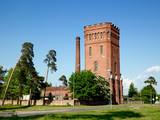 |
Encircled by apartment buildings, some of which are abandoned, the Tosmare water tower, which was built in 1905 in a pseudo-Gothic style and is made of red bricks, stands tall and proud. It is 37 metres high. Steam pumps were once used to pump underground water into the tower (the pumps have survived to this very day). Water was delivered three times a day to the residents of Karosta. The tower is no longer used for its original purpose, however. The tower can be viewed from the outside at any time. This is a unique aspect of Latvia’s industrial heritage.
|
|
 |
A fish processing plant which has collapsed down to its foundations (it
ended operations in 1978)
|
|
|
|
Daugavas aizsargdambju būvniecību Jēkabpilī uzsāka pēc 1981. gada lielajiem paliem, kad ūdens līmenis pārsniedza kritisko - 6,3 m atzīmi un pakāpās līdz rādījumam „8,7 metri”. Šo plūdu laikā puse pilsētas klāja Daugavas ūdeņi. 2011. gada vasarā notika plašāki dambja atjaunošanas un labiekārtošanas darbi. Pie tā uzstādīja laternas, soliņus, izveidoja pastaigu promenādi un piemiņas zīmi Daugavas kreisajā krastā, kas parāda maksimālo plūdu līmeni. Uz aizsargdambja Daugavas labajā krastā ir izvietoti informatīvie stendi, kur var uzzināt daudz interesantus faktus par pilsētas vēsturi. Dambji ir piemērota vieta, kur fotografēt vai gleznot pilsētas ainavas. |
|
 |
The museum offers information about local manufacturing traditions, as well as products from SIA Naukšēni – various oils (made of rapeseed and hempseed), ten non-alcoholic beverages (kvass, mineral water), as well as tastings of homemade wine. Some of the products can be purchased. |
|
 |
The saloon is on the edge of the Rīga-Liepāja highway (A9) at the 22 km road marker. Most of the dishes are based on ingredients from the forest. The interior design is based on hunting, and there is a paddock of wild deer alongside the restaurant. Latvian cuisine: Roast buck, roast wild boar, venison steak, roast lamb, stuffed river trout. |
|
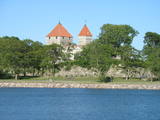 |
The Capital of Saaremaa island. Popular resort. The Town Hall is built in the style of Baroque. |
|


