
| No | Name | Description |
|---|---|---|
 |
Mill of Count Borh. Count Borh built the three- storey mill in the
end of the 18th century not far from the castle of Varakļāni. Here you
can see how the flour was milled in past centuries.
|
|
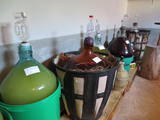 |
Tour groups with at least ten people can enjoy tastings of various homemade wines (23 types in all) that are made of fruits and berries – three types of wine each time. The owner will tell you about winemaking technologies and ways to drink and enjoy wine. |
|
 |
On the farmstead it is possible to look at sea-buckthorn plants, in August and September it is possible to take part in harvesting sea buck-thorns. The visitors will be told about sea- buckthorn, its growing and harvesting, its medical qualities and products. It is possible to see the production of sea-buckthorn products and try out the products themselves |
|
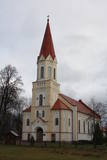 |
Храм неоднократно горел и строился снова. Теперешняя церковь построена в 1874 году, а после пожара 1927 года была восстановлена в 1932 году. Можно осмотреть алтарную икону«Иисус со святым причастием», две картины И. Зебериньша «Иисус у креста» и «Иисус благословляет детей» (1957 г.). Проспект органа является первым, построенным в «латышском» вкусе органом (резчик по дереву П. Планкус, 1936 г.), а сам инструмент номинирован как самая красивая и самая объемная работа лиепайского мастера Екаба Яугиеша. Трубы органа сделаны из дерева, что является редким случаем. Церковь можно осмотреть изнутри. |
|
 |
This homestead on the banks of the Rauna River breeds various kinds of fish. During the winter, you can fish for various salmon-type fish, and in the summer you can fish for sturgeon, blue-char, tilapia and trout. You can purchase fish, and tastings are available for groups of visitors. Sillakas is approximately 3 km from Liepasmuiža. |
|
 |
"Karpyne" has an excellent restaurant which offers both various fish dishes as well as other foods. Here there's a lot to do inside and outside, for example, inside is bowling alley, swimming pool, gym and outside - outdoor swimming pool and a tennis court, there's a possibility to fish too. Seminars and celebrations can be organised here. |
|
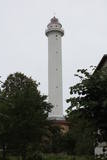 |
The Miķeļbāka lighthouse was built in 1957 and is the highest one in Latvia. Standing 58 m tall, it can only be viewed from the outside. |
|
 |
Divstāvīgā ēka ir redzama no Dundagas – Ģipkas ceļa (ap 3,7 km no Ģipkas ciema). Šis nav tūrisma objekts, bet gan vēsturiska vieta, kurai vērts pievērst uzmanību kaut vai no attāluma. Ēkas pirmajā stāvā no 1860. g. darbojās skola, kurā par skolotāju strādāja rakstnieks Antons Austriņš. 1867. g. tai uzbūvēja otro stāvu, kurā uzsāka jūrskolas izveidi. Jūrskola darbojās līdz 1894. g., kad to pārcēla uz Mazirbi. |
|
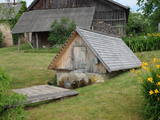 |
Information about this stream dates back to the mid-18th century, but people used it much earlier than that. People donated money to the stream after washing or drinking the water. During the first half of the 19th century, the baron of Tirza and the local church waged a battle against pagan traditions, though not very successfully. There is now a canopy over the stream, and people still drink its water. |
|
 |
The bakery and cafe in Saulkrasti – not far from Saulkrasti railway station. The baker offers pierogi, cakes and other baked goods, as well as dishes for all meals. A second café can be found at Raiņa Street 7 in Saulkrasti. Latvian cuisine: Cold soup, potato salad, sauerkraut, homemade steak haché, grey peas and bacon. Special foods: Pizzas cooked in a wood-fired oven. |
|
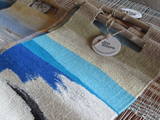 |
The artist’s workshop is in a lovely single family farm. She weaves tapestries, allows visitors to watch her at work, accepts commissions for tapestries, and sells finished ones. Many of her artworks are practical souvenirs or could be fine gifts for others. |
|
 |
Atrodas Ķekavā, autoceļa Rīga – Grenctāle (A 7) malā. Iekārtots vēsturiskā ēkā ar atbilstošu koka interjeru. Piedāvā maltītes visām ēdienreizēm, organizē muzikālus vakarus. |
|
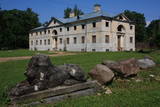 |
Muiža sāka veidoties 16. gs. beigās (īpašnieki - Tīzenhauzeni, vēlāk Bēri), bet no 1753. g. tā kļūst par Mēdemu dzimtas īpašumu. Tagad redzamo muižas pili (mūsdienās tikai atliekas) cēla 1806. - 1810. g. klasicisma stilā (Johana Georga Ādama Berlica projekts) pēc itāļu izcelsmes Pēterburgas galma arhitekta Džakomo Kvarengi meta. Muižas īpašnieks tajā laikā bija Johana Frīdriha Mēdema dēls - Kristofs Johans Frīdrihs (saukts par Žanno). Elejas pilī bija savākti daudzi nozīmīgi Eiropas mākslinieku darbi, kā arī iekārtots izcils interjers. 18 muižas kompleksa ēkas nodedzināja Pirmā pasaules kara laikā (1915. g.) un līdz mūsdienām ir saglabājušies tikai nelieli pils pirmā stāva drupu fragmenti ar kaltiem portika kolonu kapiteļiem, pārvaldnieka māja (apskatāma no ārpuses), atsevišķas saimniecības ēkas un parks. No pils drupām pa aleju var aiziet līdz Tējas namiņam (bēdīgā stāvoklī). 0,5 km ziemeļos no pils drupām atrodas 1912. g. izveidotā Mēdemu dzimtas kapsēta. Elejas pils mūra žoga arkādē iemūrēts dobumakmens. |
|
 |
This is the 11th largest Estonian island, and its central section is covered by a broadleaf forest (linden, oak, elm and other trees) that is more than 100 years old. Along the shores, the Abruka Island has meadows and small areas of wetlands. Only the northern part of the island is populated. Few tourists come to call, which means that the island is relatively untouched by humankind.
|
|
 |
"Mākoņmalas" is located in the middle of the forest, in silence. A magical place where you can enjoy SPA procedures and sauna rituals, gain knowledge in magical and non-traditional practices, as well as be alone with nature, improve health, enjoy a "short vacation for the hurried and busy". In "Cloud Edges" you will receive a restart for both body and soul. After the procedures, it is possible to enjoy a deep night's sleep in our home and taste the early breakfast on the terrace, watching the morning rituals of wild animals and the beauty of nature. You can enjoy the morning with a stick or a regular morning walk through the forest to meet deer and other forest dwellers. |
|
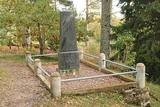 |
The Old Taizelis monument. This monument is dedicated to the fisherman
Niks Freimanis (1845-1908), who served as the prototype for the character Old
Taizelis in stories and a play written by Marģers Zariņš.
|
|
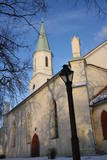 |
The first wooden church was built here in 1252, and the brick church was built in 1665. It burned down and was restored in 1672, but it was rebuilt in later years. There are important artistic monuments in the interior of the church – the altar, the pulpit and the painted organ. Legendary Duke Jacob Kettler of Courland (1610-1682) was baptised in the church and married Princess Charlotte Louise from Brandenburg in it. During the Soviet era, the church housed a museum and a concert hall. According to legend, the name of the church is based on a woman called Catherine, who donated funds to build the church, was subjected to lies, tortured and then proclaimed as a saint. Above the side entrance is a medallion of a woman with a crown of thorns, torture equipment and a sword in her hand. Elements of this story can also be seen in the herald of Kuldīga. The steeple of the church offers a good look at the roofs of the ancient part of the city. |
|
|
|
Until 1724, the Cecina semi-estate belonged to the Hilsen dynasty. When daughter Jadviga married Jans Šadurskis, the estate was recorded as the Malnava Estate in 1774. Ownership of the estate changed hands several times. The mansion is built in the style of Classicism with Baroque elements. The granary is on one side of the yard, while the mansion is on the other side. During agrarian reforms in the 1920s, the estate was one of the largest ones in Latvia, covering 12,400 ha. The mansion was damaged during World War Ii, and the original interior design was lost during reconstruction. Among other buildings, the granary, built in the style of Classicism during the first half of the 19th century, has been preserved, as have several other buildings. The park of the estate has exotic bushes and trees, as well as two cement bunkers, one of which was briefly visited by Adolf Hitler. The estate also has a vodka distillation facility where you will learn all about the process from antiquity to the present day. |
|
 |
Located in Daugmale, surrounded by the waters of the Daugava. This special location allows the bees to harvest and bring high-quality honey that has been recognised several times in Latvian contests, as well as other beekeeping products. |
|
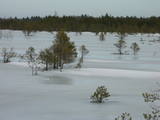 |
A comparatively large swamp to the North of the Zaļā dune, this is an important place for sulphurous waters, just as is the case with Zaļais swamp. The swamp is cut in two by the 3.5 km Ķemeri-Antiņciems road, from which interesting landscapes can be seen. The road is not appropriate for cars, however. To the East of Raganu swamp is Lake Putnezers, which is difficult to access. There is a small car park with an information stand on the shore of Lake Melnezers alongside the Ķemeri-Jaunķemeri road. The historical and overgrown Old Ķemeri road can be used to get to the seashore from this location. |
|


