
| No | Name | Description |
|---|---|---|
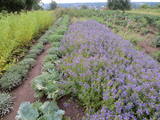 |
The farm is along the upper reaches of the Daugava Ancient River Valley, and it offers more than 100 types of plants, including decorative plants, herbs, medicinal plants and traditional Latvian farm plants. You can tour the largest field of so-called Northern kiwis in Latvia. Take a tour, purchase plants, taste teas, fruits and berries, and receive consultations from the owner. |
|
 6 days
|
This section of the Forest Trail leads through the entire Gauja National Park and gives an opportunity to see all the most beautiful places and sights of this national park of more than 100 km. Gauja National Park is the oldest and largest national park in Latvia. The ancient valley of the River Gauja is the deepest river valley in the Baltic states. The banks of the River Gauja reveal colourful sandstone outcrops, which are reflected in the water. The sights are most wonderful in springtime, when bird cherry trees are in full bloom, and in autumn, as the trees turn red and yellow. The ancient valley of the River Gauja has a distinctive terrain relief that can fluctuate by up to 80 m. The largest part of the road leads through forest paths, along the river, and exits the woods in Līgatne and Sigulda. Almost half of the park is covered by forest. Gauja National Park is known for the great diversity of specially protected forests, featuring herbaceous spruce forests, slope and ravine forests, as well as mixed broadleaf forests. |
|
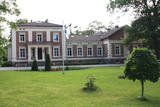 |
Atrodas Taurenē, Gaujas labajā krastā. Muižas apbūve, kurā ietilpst pils (19. gs. 80. gadi, arhitekts – R. G. Šmēlings, historisma un neoklasicisma stils), senie alus pagrabi, klēts, vecā pils un parks, veidojies 19. - 20. gs. Šobrīd muižas pilī atrodas Taurenes pagasta pārvalde un kultūras nams. Muižas kompleksā ietilpst ēka, kurā atrodas Vecpiebalgas novada tūrisma informācijas punkts un Taurenes novadpētniecības ekspozīcija (senajā ledus pagrabā). Parkā (ziemeļos no pils) uzmeklējams piemiņas akmens, kas veltīts komunistiskā terora upuriem. Pie Nēķena muižas sākās 0,4 km garā Cieres dabas taka, kas iepazīstina ar Gaujas krastu mitrājiem. |
|
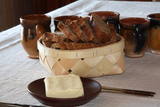 |
This is an authentic Lettigalian farm which dates back to the early 20th century. It features a house, granary, cattle shed, sauna and smithy. Folklore groups perform here. You can celebrate the Summer Solstice, attend a St Michael’s Day market and learn ancient craftsmanship skills. Lettigalian foods are served to groups. |
|
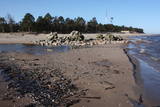 |
This is the most distinct cape in Latvia, with the waves of the Baltic Sea and the Bay of Rīga coming together. During storms, the waves can be as much as 7 metres high. The cape is an underwater shoal that stretches to the Kolka lighthouse, which is 5 km away. It is on an artificial island that was created between 1872 and 1875. When the island became stable, the 21 m lighthouse was installed in 1883. Manufactured in St Petersburg, the lighthouse became operational on July 1, 1884. Today the island contains the building for the supervisor of the lighthouse, several ancillary buildings and an impressive fog bell. A monument to men lost at sea that was sculpted by Ģirts Burvis is on Cape Kolka, as is a wrecked wooden ship, presumably from the 19th century. There is also a rock that is known as the “heart of Europe,” because the Latvian folklorist Krišjānis Valdemārs believed that the cape was the centre of Europe. There are stands with information about Valdemārs, and the Latvian Border Guard uses facilities that were once in the hands of the Soviet Coast Guard. Cape Kolka is an important place for migrating birds during the season, and it has a visitor centre and a summer café. There are unusual pines on the beach that were washed onto it during storms. Under the water around the cape is the largest ship graveyard in the Baltic Sea. It is a dangerous place for swimmers because of changes in the flow of water and shifting sands. At the end of the cape are the ruins of an old lighthouse that was built in the 18th century and lost during the latter half of the 19th century. |
|
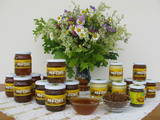 |
This farm has some 150 hives of bees which are carefully tended by beekeepers. The farm also produces nectar plats such as buckwheat, clover and phacelia. You will learn all about beekeeping and taste and purchase beekeeping products. |
|
 |
In Pärnu Farmers’ market you can buy produce of Pärnumaa and other small manufacturers of the region, as well as freshly baked bread and confectionary. |
|
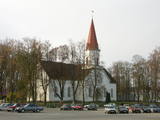 |
Until 13th century, Smiltene region was a part of Talava country, inhabited by Latgalians. After Crusaders invasion it was won by the Archbishop of Riga, and he built a stone castle on the steep river bank of Abuls in 1370. The following wars and epidemics did not spare the development of settlement, nor the people. Present shape of the town began to emerge in 19th century along with the vigorous activities of owner of Smiltene manor first Lieven. Until the World War I, wood working factory, hydroelectric power plant (established in 1901, first in the Baltics), and other companies were operating in Smiltene. In 1944 when the German forces retreated, much of the Smiltene historical buildings were destroyed in the fire. |
|
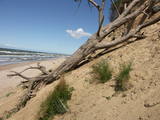 |
Ancient legends say that ship sank in the sea near the old cemetery during a storm and during a worship service. The pastor and members of the congregation volunteered to use a rowboat to save the crew of the ship. Some of the men were rescued, while others were washed ashore. In honour of this tragic, but also happy solution, the captain called the place Feliksberga, or the Lucky Shore. Later it became known as Pilsberga, and it was renamed Jūrkalne only in 1925. |
|
 5 days
|
From Riga the tour goes through historic sea resort Jurmala to Pure Chocolate museum where you could see production and taste some. Then the tour goes to Sabile where there is small Wine Hill which history dates back to 16th century. You visit local wine producer who will show his gardens and talk about grape growing in the Latvian climate nowadays. Afterwards tasting of the seasonally available drinks. Then you visit small picturesque town Kuldiga and have some wine tasting there. Next day there are eco wine tasting at Aizpute and Durbe and then go to the city of Liepaja with lovely sandy beach, arty atmosphere and significant military heritage at Karaosta suburb. Then the route follows up the coast line. At Pavilosta you have a trip in traditional fishermen boat and at Alsunga singing and demonstration of local traditions by Suiti women. Culturally colourful community which heritage is listed in UNESCO. Then walk along the steep sea cost at Jurkalne and enjoy the best maintained port town of Ventspils. Next day there is a visit to local fishermen and see fish smoking process, then walk along Cape Kolka where the open sea meets the Riga Bay. Turning back to Riga you have a visit and tasting at wine maker in Talsi. |
|
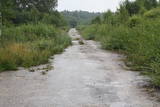 |
One of the largest tank bases in the Baltic War District was located during Soviet times just South of Gardene. The territory has largely been abandoned, and there are just a few remnants of the buildings that were once there. If you drive down the Dobele-Annenieki road, you will find a paved military road splitting off from it. It is still used today. The buildings and urban planning of Gardene are also of interest – during the Soviet era, soldiers and their families lived there.
|
|
 |
Ideja par "DA'ZIEPE" radās iedvesmojoties no Amatas novada dabas un idejas par pilnvērtīgu pieejamo resursu izmantošanu. Ziepes tiek gatavotas no liellopu vai briežu taukiem, augu eļļām un ziepju zālēm, kā arī papildinātas ar dažādām ēteriskajām eļļām un dabīgajiem aromātiem. |
|
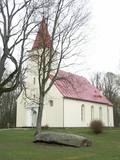 |
Located in the
|
|
 |
Atrodas galvenās Kuldīgas gājēju ielas malā. Sadarbojas ar vietējiem zemniekiem un piedavā Kurzemes novadam raksturīgus ēdienus, kā arī ēdienus no dažādu pasaules valstu receptēm. |
|
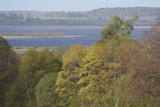 |
Nature restricted area includes eastern side of the lake with Lanupe River and North-east and South-east coastal areas. Restricted area has been established for protection of birds and floodplain meadows of the lake. To see the nature restricted area visitors do not have to enter it. There are great view points with wind generators of Grobina on the background from the road Vecpils – Rava – Aistere. Coastal areas which are not included in the restricted area are perfectly suitable for bird watching. There is located the smallest city by its population in Latvia to the South from the lake.
|
|
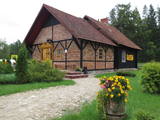 |
The “Kukaburra” café is located on the 115th km of the Riga-Veclaicene highway (A2). It is possible to see the Bread museum. Guests can take part in baking rye bread every weekend. The café has a Latvian interior and serves products from local farmers and home-based producers of ingredients. Latvian cuisine: Chicken liver salad, lamb soup, dumpling soup, cold soup, baked catfish, sautéed pork, potato pancakes, pancakes with jam cottage cheese buns, stacked rye bread. Special foods: Home baked rye bread. |
|
 |
Iespaidīga smilšakmens atsegumu virkne, kas
izveidojās pēc 2005. g. orkāna.
|
|
 |
The teahouse is in a lovely location – the southern part of Pilssala Island, near the pedestrian bridge over the Driksa River. |
|
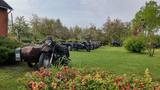 |
SIA “North Latgallian Firewood” darbības pamatnozare ir mežsaimniecība un kokmateriālu sagatavošana - uzņēmumā nodarbojas ar malkas sagatavošanu un tirdzniecību, kā arī piedāvā malkas gabalošanu un skaldīšanu izbraukumā pie klienta. Uzņēmuma piedāvātie pakalpojumi – malkas sagatavošana, malkas tirdzniecība lielos apjomos, kokmateriālu sagatavošanas pakalpojumi. Brīvajā laikā uzņēmuma īpašnieks restaurē senus motociklus un ir izveidojis plašu retro motociklu un senlietu kolekciju. |
|
|
|
This is the 11th largest Estonian island, and its central section is covered by a broadleaf forest (linden, oak, elm and other trees) that is more than 100 years old. Along the shores, the Abruka Island has meadows and small areas of wetlands. Only the northern part of the island is populated. Few tourists come to call, which means that the island is relatively untouched by humankind.
|
|


