
| No | Name | Description |
|---|---|---|
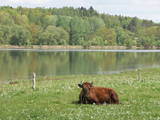 |
The nature park in the Daugava River valley is the only place between the cascades of the Daugava hydroelectric power plants there is still a chance to see the Daugava River valley and the ravines of its tributaries as they appeared before the area was flooded so that the power plants could be constructed. Particularly lovely views are found on the right bank of the river near the Aizkraukle church and castle hill. Forests, meadows, origins of streams and small dolomite cliffs in this area are all protected biotopes. Leisure facilities have been installed on the Aizkraukle castle hill, and the Aizkraukle castle ruins are not far away. |
|
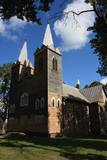 |
В1699 в центре Нюкши Пасиенские доминиканские монахи построили часовню, на месте которой в 1765 году помещик Хилзен возвел новую церковь. Помещения были маленькие, и в 1922 - 1926 гг. на фундаменте старой церкви строится новая и большая – теперешняя церковь, которую называют одним из самых красивейших деревянных храмов Латгалии. В здании находится центральный алтарь работы второй четверти XVIII века и два боковых алтаря работы примерно 1700 г. Церковь можно осмотреть изнутри. |
|
 |
Apmeklētāju centrā var iegūt noderīgu informāciju un iepazīt ekspozīciju par Karulas augstienes veidošanās vēsturi, ezeru iemītniekiem un šejienes novada kultūrvēsturiskajām tradīcijām. Apmeklētāju grupas semināru zālē var noskatīties izzinošu prezentāciju. |
|
 |
1339. g. Livonijas ordeņa mestrs (no 1328. – 1340.) Eberhards fon Monheims pašu zemgaļu 1286. g. nodedzinātās pils vietā uzceļ jaunu - mūra pili. To sešus gadus vēlāk nodedzināja lietuviešu karaspēks. Pili gan atjaunoja Kurzemes hercoga Ketlera valdīšanas laikā, taču Ziemeļu kara laikā - 1701. g. to atkal noposta zviedru karapulki. Līdz mūsdienām ir saglabājusies tikai no laukakmeņiem celtās pils sienas atliekas. |
|
 |
The statue of Virgin Mary, also called „the statue of Madonna” was
repeatedly erected in Lūznava Manor park in 1991.
|
|
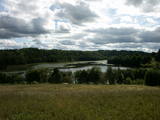 |
Ilziņš jeb Vestienas dzirnavezers pazīstams ar nostāstiem par tajā "periodiski uzpeldošām kūdras salām". Saskaņā ar vietējo iedzīvotāju sniegtajām ziņām, minētā parādība gan sen jau vairs nav novērota. Tajā pat laikā ezers un tā apkārtne ir nozīmīga daudzu aizsargājamu biotopu un sugu dzīves vieta. Ezers ietilpst Vestienas aizsargājamo ainavu apvidū. Ezeru var redzēt, braucot pa Ērgļu - Gaiziņkalna ceļu. Var pakāpties arī blakus esošajā paugurā (ziemeļos no minētā ceļa un ezera), no kura paveras plašāka skatu perspektīva.
|
|
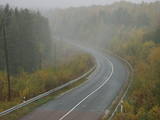 |
The tower is at the edge of the Dundaga-Mazirbe road, at the Šlītere Blue Hills. It offers a lovely view of lowland seashore forests, the local road, and a bit of the ancient shore of the Baltic ice sea.
|
|
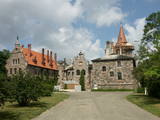 |
Cesvaine was first mentioned in written sources in 1209. For each traveller in Latvia, the town is associated with the family of Baron Woolf, who bought the Cesvaine estate in 1815. Cesvaine experienced the economic boom after establishment of Plavinas Gulbene railway. Town suffered significantly during the World War II. At the end of 2002, the Cesvaine Castle was struck by the tragedy - a fire, which damaged most of the castle. Cesvaine Castle is "recovering" by means of large public, state and local government support and still keeps the status as a significant tourism attraction in a scale of Vidzeme and Latvia. |
|
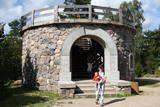 |
This arboretum park is in a lovely place – the Blue Hills of Ogre, where there is a tower with a good view of the Daugava River Valley. The landscape is enlivened by a pond and its streams. There are beautiful hiking trails throughout the park.
Unique species: The Amur Cork Tree (Phellodendron amurense) and the Field Elm (Ulmus minor), among others.
|
|
 |
Atrodas sporta un atpūtas kompleksā „Trīssaliņas”. No torņa paveras pievilcīga apkaimes ainava, kas īpaši skaista ir pieneņu ziedēšanas laikā. |
|
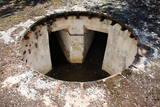 |
Today there’s a single-family farm and not much else, but at one time Olmaņi was the site of two important coastal batteries collectively known as “Krastnoflotskaya.” Until 1955, the one to the South of Olmaņi, there were four 152-mm Kane type cannons, which were manufactured during World War I and were widely used to protect the coastal territory of the Baltic Soviet republics of Latvia and Estonia during the rule of the Soviet regime. Small concentric ramparts of earth are all that’s left there today. After 1955, to the North of Olmaņi, another battery was installed with four MY-2 152-mm cannons. They had a range of 25 km. The battery remained in battle readiness until 1975, when it was turned into a reserve facility. It’s not easy to find, but it’s worth the search. The platforms for the cannons and the subterranean bunkers are still there. This was indeed one of the most impressive coastal batteries along the shores of the Baltic Sea.
|
|
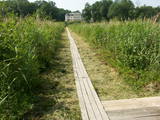 |
The best place to look at the restricted area of the Vīķi swamp and the Lielauce lake which is in the middle of that swamp is the Lielauce castle, where a wooden pathway stars. The pathway will lead visitors across the swampy shores of Lake Lielauce and deliver them at a boating area on the open part of the lake. The swamp itself is to the South-east of the lake. The restricted area is there to protect biotopes and species in the area. |
|
 |
Atrodas Lubāna dienvidu krastā pie dambja un Īdeņas kanāla, no kura var aplūkot „tipiskas” mitrāju ainavas – niedrājus, aplūstošus krūmājus, mitras pļavas, aizaugušo ezeru. |
|
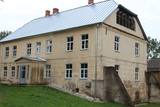 |
Muižas dzīvojamā ēka līdz mūsdienām nav saglabājusies. Šodien Dvietes muižas parkā ir apskatāmas muižas pārvaldnieka māja un trīs mūra saimniecības ēkas. 19. gs. veidots ainavu parks ar laukakmeņu mūrējuma tiltu. Parkā atrodas Dvietes muižas ēkas. |
|
|
|
Oldest (building started in 1227) stone church in Estonia. Unique christening stone in the Baltic States. Old painting on the walls. |
|
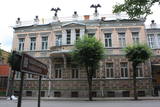 |
Atrodas Rīgas ielā 8 – skaistā, 1883. g. celtā jūgendstila ēkā . Muzejs (viens no Latgales lielākajiem un vecākajiem) tajā darbojas no 1959. g. (pats muzejs dibināts 1938. g.) un tā krājums vēsta par Daugavpils un tās apkārtnes vēsturiskajiem notikumiem. Tajā regulāri tiek rīkotas arī tematiskās izstādes, piedāvātas muzejpedagoģiskas programmas. Te vēl var apskatīt Daugavpilī dzimušā un pasaulē pazīstamā mākslinieka Marka Rotko (1903. – 1970.) gleznu reprodukcijas, kuras no 2013. gada plānots pārcelt uz M. Rotko centru Daugavpils cietoksnī. |
|
 |
This garden on the banks of the Bērze River is known as a rock fairy tale and a miraculous garden. The garden has rocks of various forms and sizes, including milling stones, distance markers and border posts related to parishes. The exhibition is supplemented by decorative plants and compositions of plants that are the responsibility of the lady of the house. |
|
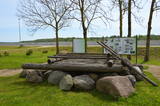 |
The monument is on the banks of the Daugava River opposite Kaļķu Street in Pļaviņas. The symbolic raft is made of logs and stones, and around it are informational stands with photographs that tell the story of the heavy work that rafters on the Daugava once did in terms of overcoming the rapids of the river. |
|
|
|
This village is at the place where the Irbe (Dižirve, Īra) River flows into the sea, and it is on both shores of the river (sea side and land side). The name of Irbe was recorded for the first time in a 1310 border agreement between the bishop of Kurzeme and the Rīga Dome Capitol. The name of Lielirbe (Irvemūnde) was recorded for the first time in a document from an arbitration court in 1387. At the end of the 19th century, the small port at Lielirbe was an active centre for the sale and transport of timber materials. In the late 19th and early 20th centuries, the largest number of sailing ships among villages on the western shore of Kurzeme was built there. In 1939, the village had some 300 residents, more than 70 houses and a Baptist church which is now at the Ventspils Open Air Museum. A narrow-gauge railroad passed through the village, which had a post and telegraph office, two grocery stores, an elementary school, a choir and a brass band. Lielirbe was one of the largest villages to disappear after World War II. Cultural historian Valda Marija Šuvcāne (1923-2007) was born in Lielirbe, and her daughter, Baiba Šuvcāne, is continuing her mother's work by writing important papers about life along the Livonian coastline. By 2019, a bridge is to be reinstalled across the Irbe River. |
|
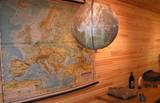 |
The museum set up in 1982 presents life and activity of the region from the late 19th C to the recent past. Temporary exhibitions are held in the barn and more than 200 species of trees and shrubs can be viewed in the parkland extending over 17 ha. Themed events include baking bread, celebrations of folk holidays are frequently arranged. From the museum visitors can access Velise cultural and natural heritage trail. |
|


