
| No | Name | Description |
|---|---|---|
 |
This trail's purpose lies on the fact that herbal therapy is the oldest known system of medicine. Being outside, in fresh air, in nature affects our health positively. While hiking with a phytotherapist you will get to know more about the nature's wild herbs that can help our livelihood and also do some light exercises. If you want, you not can only walk the trail but also relax in a sauna or/and visit a workshop. |
|
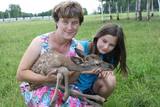 |
Some 250 deer graze on 100 ha of land in the Umurga Parish. The farm also offers a look at peacocks, rabbits, sheep, goats and a pony. Biological products are on sale, and visitors are welcome all year round.
|
|
 |
Одна из самых красивых набережных Латвии. Расположена в северной части Старого города Вентспилса. Началом набережной на улице Остас в восточной ее части служит «Тиргоню дарзс» (здесь же Вентспилсский ТИЦ) и Юракменс. Набережная украшена скульптурами коров, памятниками, фонтанами и цветочными композициями. До середины прошлого столетия на улице Остас находились склады - амбары, часть из которых сохранилась. Напротив замка Ливонского ордена установлен памятник Кришьянису Валдемару. У пристани стоит кораблик «Герцог Екаб». |
|
 |
Der weiteste Nordpunkt der Insel Hiiumaa. Der höchste Leuchtturm Estlands aus Roheisen (1873 – 1875) und das Denkmal zur Errinerung an die bei dem Unglück des Schiffes ‘Estonia” Umgekommenen. |
|
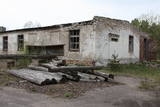 |
The zenith missile base at Rucava is in the forests of the Baltic coastline. The facility is owned by the regional local government and is not used at this time.
|
|
 |
The restaurant in the relaxation complex Vonadzini, on the southern shore of Lake Ludza, not far from the city of Gulbene. On the menu: tasty fish, chicken and pork meals. Contact the venue in advance for tourist group meals, wedding banquets, etc. |
|
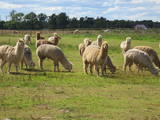 |
This is the largest herd of alpacas (an animal from the mountainous regions of South America) in the Baltic States. You can observe the animals, listen to stories about them, and buy alpaca wool. There are plans to transfer the herd to the Vīceži Estate in the Lībagi Parish in 2014.
|
|
 |
Saimniecība nodarbojas ar 15 veidu vīna darīšanu no Latvijas augļiem, ogām un citām dabas veltēm, kā arī vīna destilāta ražošanu. Vīna darītavā vīndaris pastāstīs par vīna izgatavošanu un dalīsies savā pieredzē. Uz vietas iespējams nobaudīt dažādus izsmalcinātus augļu un ogu vīnus, meklējot sev tīkamākās garšu un smaržu nianses. Vīna darītava sadarbojas ar vietējo zemnieku saimniecībām, tēdēļ pie vīna iespējams nobaudīt sieru no govs vai aitas piena un Bauskas pusē ražotus saldumus. |
|
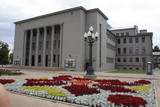 |
Found at Rīgas Street 22A, this impressive building was suggested by Latvian President Kārlis Ulmanis and built in 1936 and 1937 after a design by the architect Verners Vitands. It is seen as one of the most outstanding architectural monuments from the first period of Latvian independence, and it is said that it was once the most modern multifunctional building in all of Europe. The building now houses the Daugavpils Theatre, the Latgale Central Library, the Latvian Cultural Centre, the Latvian House, the US Information Centre, the Daugavpils Tourism Information Centre and other institutions. Unity Square is alongside the building, and beautiful compositions of flowers are nearby during the growing season. |
|
 |
The viewing tower is on the western part of the Blue Hills of Ogre, not far from the Dubkalni quarry. Paths lead to the tower, as does a wooden staircase. The viewing platform offers a very broad view of the Ķegums hydroelectric power plant reservoir and the towers of
|
|
 |
The granary of the Dviete Estate magazine is on the side of the Dviete-Bebrene road. The restored building dates back to 1874 and was used as a prayer house from World War I until 1929, when the Dviete Catholic Church was rebuilt. |
|
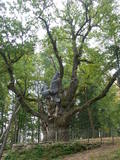 |
This is the thickest English oak (Quercus robur) in Lithuania, with a circumference of 9.4 m (as opposed to the Kaive oak in Latvia, which has a circumference of 10.18 m).
|
|
 |
The nature trail was built in 2003 supported by the WWF, the Latvian Environment Protection Fund, the International volunteering organization supporting conservation initiatives in the United Kingdom (BTCV) involving volunteers from Nīca and Rucava municipal parishes. The trail exposes the surrounding landscapes and related biotopes – dunes, forest, grasslands and bog, as well as bird and animal species found there. On the trail, there is a bird watching tower and two birdwatcher hides. You can see the rivers Paurupe and Līgupe, beaver activity areas, grasslands, black alder forest, spruce forest, floodland, wild horses, aurochs, the Šķilu lime tree, the Holy Grove, the Ezerskolas sacrificial stone, the Pape ornithological field station, the Papes polder grasslands and the Pape lighthouse. There are resting places en route. The trail leads through the historical Ķoņu village with the traditional coastal fishing village architecture of buildings and yards. The trail is 9 km (5 km one way by a gravel road, returning 4km along the coastline). The trail is in the Pape nature park
|
|
 |
Sēlijā, 5 km attālumā no Aknīstes, mājā "Skārdupītes" atrodas biedrība “Sēlijas laivas”. Kamēr teritorijā vēl tikai tiek attīstīta aktīvā tūrisma bāze, jau tagad viesiem tiek sniegts ieskats laivošanas kultūras attīstībā, kā arī ir iespējama dažādu laivu veidu noma un laivošanas tehnikas apmācība. Papildus: vides gida pakalpojumi ar iespēju laivojot iepazīt upes ekosistēmu, floru un faunu. |
|
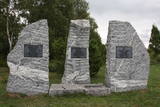 |
Eine der größten befestigten Siedlungen im Bezirk Harju, befindert sich auf einer Erhebung des natürlichen Kliffs Nordestlands. |
|
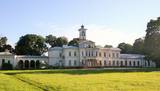 |
This is one of the most expressive estates built in the style of Romanticism. Dating back to the 19th century, it is on a peninsula in Astravo, which can easily be reached from Biržu along the longest wooden bridge in Lithuania, crossing Lake Širvenos. Covering 18 ha, the mixed-plan park was installed from 1851 until 1862. Local fir trees, linden trees and pine trees grow in the park. |
|
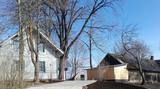 |
Guesthouse "Stikāni" is located in Rezekne district. The guesthouse has four comfortable rooms for two people and a dining room with an exit to the garden terrace. A knowledgeable guide will take you to the nature trail where you can learn about typical trees and bushes, popular and less known medicinal plants, nesting birds (during the summer) and impressive bird migration during the spring and autumn. |
|
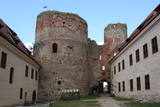 |
Bauska's name in historical sources for the first time is mentioned in 1443. This is the time when on the peninsula between Musa and Memel confluence construction of last Livonian Order castle on the present-day territory of Latvia was begun. At the castle – in Ķirbaksalā populated area so-called Vairogmiests developed. During the 17th century rapid boom of the town was observed. Here were working goldsmiths, silversmiths, carpenters, potters, shoemakers and other craftsmen. In later centuries the city suffered from wars, plague and Napoleon army. Today Bauska old town with reconstructed City Hall and the restored Bauska Castle is one of the most interesting Latvian historical town centres. Bauska is known for its annual events - Ancient Music Festival, Bauska town festival, country music festivals, and other events. |
|
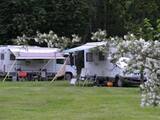 |
The "Jurmala" campsite is located in the park territory of the "Rīgas Līcis" sanatorium and offers facilitated tent, camper and caravan sites, as well as holiday homes for rent. The campsite is located next to the beach and is suitable for recreation with family and friends, as well as for organizing a variety of thematic and recreational events. The proximity to the "Dubulti" and "Jaundubulti" railway stations makes it easy to move around Jurmala or get to Riga. The campsite is also suitable for families with pets. |
|
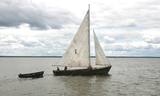 |
Kale is a traditional wooden sailing ship for trawling nets on Lake Võrtsjärv, but its graceful appearance with two triangular sails often inspired pleasure trips too. Võrtsjärve Foundation supported the building of the ship Paula, completed in 2005 and Liisu in 2009. Trips aboard a kaleship are a genuinely memorable experience. |
|


