
| No | Name | Description |
|---|---|---|
 |
Windmill restaurant Saaremaa is the most popular restaurant amongst locals, offering the best and freshest products. The menu includes game meat from Saaremaa forests, smoked fish during summer, treats from berries, local apple wine, as well as the best wines of Saaremaa Island. |
|
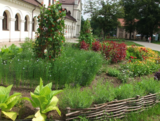 |
The only school-based botanical garden in Lithuania was planted in 1989 at the Traupis school. More than 8,000 types of plants grow in the garden, and all of them have been collected by Sigutis Obelevičius. |
|
 |
Atrodas Valmieras Drāmas teātra ēkas rietumu spārnā. Piedāvā latviešu un pasaules virtuvi, svētdienās - brančus. Sadarbojas ar vietējām zemnieku saimniecībām. |
|
 |
The MIKO bakery bakes more than 100 types of products according to its special recipes, including cakes, pies, eclairs, and biscuits. |
|
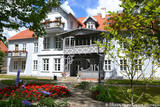 |
The Šilute Estate is often described on the basis of its last owner, Hugo Scheu, who bought the estate in 1889. He restored the estate's buildings and territory, also installing two parks, one for the estate, and the other one known as the "raven forest." Alongside the estate is an English-type park with strolling trails. The park is used by local residents and is on both sides of the curvy Scheu River, with the banks connected by pedestrian bridges. He park stretches to an old railroad bridge and has approximately 150 types of plants, including 40 types of trees and shrubs. |
|
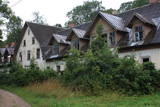 |
Ļoti savdabīga vieta, ko nekādi nevar dēvēt par tūrisma objektu. Vidsmuiža bija viena no Latgales lielākajām muižām, kuras dominante bija 18. gs. celtā un vēlāk pārbūvētā grāfu Borhu muižas kungu māja. Tagad redzamais muižas kompleksa veidols tapis 19. gs. otrajā pusē. Tajā ietilpst kūtis, staļļi, kalpu māja, klētis, sarga mājiņas, kas izvietotas ap parādes pagalmu. Pēdējais tagad ir stipri aizaudzis. Vecākā saimniecības ēka ir mūra klēts (iespaidīga!), ko cēla 18. gs. Regulāra plānojuma muižas parku veidoja 18. gs. franču dārzu stilā. Kungu māja ir „pamesta” un apskatāma tikai no ārpuses. |
|
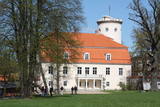 |
The history of Cēsis begins at the Riekstu hill, which is 18 m high and the surrounding area. There was a wooden castle built by the Vendian tribe that stood there from the 11th to the 13th century. The hill is in the central part of the castle’s park, and it offers a fine view of the park, a pond and the ruins of the Cēsis Castle. A long staircase leads to the hill. The Cēsis Castle was built in the early 13th century as the residence of masters of the Livonian Order, and it was one of the most fortified forts in the Baltic region. Alongside is the New Cēsis Castle, which was built in 1777 in a place where gate fortifications had been before. The building houses the Cēsis Museum of History and Art, and an annex contains the Castle Visitor Centre and the Cēsis Tourism Information Centre. From the tower of the castle, we get a good view of the castle ruins, St John’s Lutheran Church and the northern stretches of the city. Opposite the new castle is the stable of the Cēsis Castle Estate and a wheelhouse (both from the first half of the 19th century). Today these house the Cēsis Exhibition Hall. Other buildings include a granary, a hut for coachmen and an old brewery. On the other side of the street is the romantic May park, which was installed during the 1830s. Streets in Cēsis include Lielā Katrīna, Mazā Katrīna, Mazā Kalēju, Kalēju and Lielā Līvu streets and Līvu square with wooden buildings from the late 18th and early 19th century. Torņa Street stretches along the walls of the Medieval castle. Outside the church is a sculpture, “As the Centuries Pass By,” and legend has it that anyone who rubs the lantern of the Old Time Man can see the future. One of the most impressive buildings in Cēsis is St John’s Lutheran Church, which was built in the late 13th century by the Livonian Order. The Roman-style three-segment basilica has elements of Gothic design and a 65 m steeple that was installed in 1853. The building was reconstructed several times during the 20th century and contains grave plaques relates to masters of the Livonian Order and local bishops. The pulpit dates back to 1748, the oak altar was manufactured in 1858, and the altar painting “Crucified One” was painted in 1862. The windows of the altar part of the church contain artistically valuable stained glass. The organ was manufactured in 1907 by the E.F. Walker firm, and it is one of the best concert organs in Latvia. The solar clock with the number 1744 is in the south-wester corner of the church. It is worth scaling the viewing tower of the church. At its foot is Rose Square, which was a market square from the mid-13th century until 1927 and was restored in 2008. This is the central square in the city. During the Middle Ages, a punishment pole and the city well were here. Rīgas Street has been the main street in the old part of the city from the very start, and here we find most of the architecturally distinguished buildings from the 18th and 19th century – the former city hall, the Fābers house and the Princess house. At one end of the street is Liv Square, where there a church, cemetery and the Rīga gate in the city’s walls existed in the 13th century. Today the square is decorated by a lighted fountain at a place where a well was found in the 13th century. On the other end of the street we find a reconstruction of the foundations of the Rauna gate from the 14th and 15th century, offering a good look at Medieval walls and the size and strength of the gates. It is commonly claimed that the national flag of Latvia was born in Cēsis, but it must be emphasised that the flag that is mentioned in chronicles was designed in Cēsis in 1279 as the ideological prototype of the current Latvian flag, while the story of the first national flag actually comes from Valmiera, where it was sewn in 1916. |
|
 |
This farm offers apple, pear, cherry and plum trees, black currants, red currents, gooseberries, raspberries, quince, chokeberries and sweet mountain-ash. The owners will teach you about establishing fruit orchards and growing fruit trees. Candies made at the farm are for sale. |
|
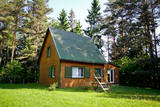 |
Holiday cottage and spa located by Vertukšnes lake, offering training and services focused on the practise of a healthy lifestyle. Black (smoke) sauna with traditional sauna rituals, massages, detoxification, weight reduction, and colour therapy Bioptron pro 1.
|
|
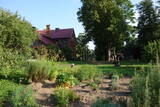 |
The village of Kaldabruņa in the Jēkabspils Adminitsration District has a former elementary school that is currently managed by the Ūdenszīmes organisation. The meadow museum exhibition is compared to a human life cycle, and visitors will see a Smilga exhibition, a childhood lighting objects, the Kadabruņa Māra belt in a hole in an oak tree, the Vārdnieki crown, the Pūra crown, and exhibitions of endangered and rare plants. The Kaldabruņa or Krievāni Māra belt is one of the greatest cultural and historical treasures in the administrative district because it is a unique ethnographic material. The belt is made of 52 ornaments, including 36 modified fire cross ornaments. Nothing of the sort can be seen in Latvian ethnography. The Stāmeriena wrap has 19 modifications of the fire cross, while the belt has blue and yellow ornaments, with red and green colours on its edges. At the end of the belt is a complicated weave of little pearls and fringes. Authentic copies of the belt have not been presented in public, and this unique material has also not been seen in the digital environment. The original belt was received by ethnographers in the late 19th century from Māra Krievāne from the Mačulāni homestead in Kaldabruņa. It is housed at the Latvian Museum of History, which also has the only known copy of the belt. Decoding of the ornaments can be found in a book about Latvian ornaments. The building that is managed by Ūdenszīmes also contains an unprecedented art venue -- the Šķūņa Art Gallery. Also of interest is a hay museum and the stories about the locations. |
|
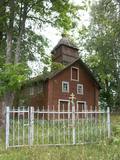 |
This small wooden church with fragments of a metal gate is on the side of the road in the village of Ruduški. It is not open to visitors on a daily basis. |
|
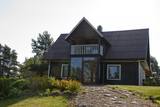 |
Ciemos gaidīti gan pāri, gan ģimenes, gan draugu kompānijas. Lauku sēta sastāv no piecām ēkām. Neskartā daba un tīrais gaiss ļaus atpūsties pilnīgā klusumā. Ap 50 m no Šventosios (Svētās) upes atrodas galvenā ēka, kurā ir divas guļamistabas ar tualeti un dušu nakšņošanai līdz 10 personām. Pirts namiņš būs ērts draugu lokam līdz 9 cilvēkiem. Pieejami trīs jauni VIP namiņi 2-4 cilvēkiem upes krastā. Piemērota vieta kāzu, dzimšanas dienu u.c. svinībām. |
|
 |
Ģeoloģiskā taka sastāv no trīs saistītiem posmiem: „Melturi – Kārļu zivjaudzētava”, „Kārļu zivjaudzētava – Zvārtes iezis” un "Zvārtes iezis - Veclauču tilts". Amatas senleja veidojusies vienlaikus ar Gaujas senleju leduslaikmeta beigu posmā un pēcleduslaikmetā, ledāja kušanas ūdeņiem plūstot uz Gaujas ieleju. Gaujas NP teritorijā Amatas senielejas dziļums sasniedz 50 metrus un platums palielinās līdz apmēram 1-1,5km.
Augstas kraujas (vairāk ne kā 40 metru), kurās redzami augšdevona Pļaviņu svītas dolomītu un augšdevona Amatas un Gaujas svītu smilšakmeņu atsegumi, mijas ar mežiem apaugušām, 3-16m augstām stāvām terasēm.
Amatas senieleja ir nozīmīga ne tikai ar savām dabas ainavām. Tās krastus grezno dolomīta un smilšakmens atsegumi, kas atklāj zemes vēstures lappuses 350-400 miljonu gadu tālā pagātnē, kad Latvijas teritoriju klāja jūra.
Velobraucieniem taka nav piemērota!
|
|
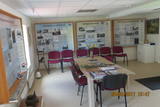 |
The exhibit features information about the history of the Džūkste and Lestene parishes, as well as the events and consequences of World War II. Donations are requested from those who visit the museum. |
|
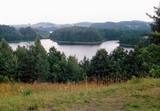 |
Vermutlich ein heidnischer Hügel. Schöner Blick auf die 6 Seenlandschaften. Ein Symbol vom Nationalpark. |
|
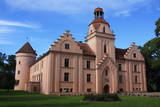 |
This convent-type castle was built in the mid-13th century by the bishopric of Piltene. Annexes were added in the 16th and 19th centuries to create a typical internal courtyard. The Neo-Gothic forms of the castle’s façade date back to the 1830s. From the 16th century to the 1920, the castle was owned by the noble Behr family. After it was burned down during the 1905 Revolution, the castle was rebuilt in two years’ time. The castle is known for ghost stories, tales of elf weddings, and stains of blood in the Red Room that are supposedly the result of a murder. A fireplace was built to hide the stains, but they reappeared. Since the privatisation of the castle, the interior has been restored with halls and cellars that are decorated with elements that are typical to the castle. Its rooms and viewing tower are open to the public. In the park, visitors will find the Alley of Love and the elf oak tree. |
|
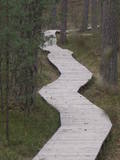 |
One of the most attractive and informative nature trails in the environs of Rīga. It leads the visitor around the 17-metre Ragakāpa dune, which is most interesting. People can learn about the habitats of the dune areas and the plants and animals of the area. Some of the pine trees are as much as 100 years old and more. The trail is 2km long in each direction and will take some two hours to traverse. This is part of the Ragakāpa nature park.
|
|
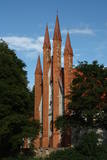 |
Traķu pirmsākumi ir meklējami Senajos Traķos, kas atrodas 4 km dienvidaustrumos no Traķu centra. Uzskata, ka Senos Traķus ir dibinājis Lietuvas dižkunigaitis Ģedimins (~ 1275. – 1341.) 14. gs. pirmajā pusē. 14. gs. otrajā pusē šeit uzcēla mūra pili, no kuras līdz mūsdienām ir saglabājušies tikai nostāvināti zemes vaļņi. Laikā no 1345. – 1382. g. tajā valdīja Ģedimina dēls – Ķēstutis (1297. – 1382.). Senajos Traķos dzimis arī viens no izcilākajiem viduslaiku Lietuvas valdniekiem – Ķēstuta dēls - Vītauts Dižais. Kā pilij, tā arī tās valdniekiem bija nozīmīga loma sekojošajos krusta karos un cīņās. 1391. g. pils tika sagrauta cīņas laikā ar Vācu ordeni, kādēļ arī zaudēja savu stratēģisko nozīmi. 1405. g. benediktīniešu mūki šajā vietā uzcēla baznīcu, bet 18. gs. beigās - jaunu un lielāka apjoma klosteri, kura vienu no korpusiem 1889. g. pārbūvēja par baznīcu. |
|
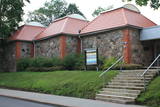 |
This is one of the oldest museums in Vidzeme and features interesting discoveries from the Middle Ages and the Iron Age, some of which were found around Lake Lubāna. Employees organise thematic exhibitions related to the culture and history of the administrative district, as well as art exhibitions. The museum is in the historical buildings of the former Birži Estate. |
|
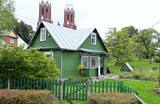 |
Established in 1990, this museum features an orchard that was planed in 1935 and relates to the poetess Brone Buivydaite. |
|


