
| Nr | Name | Beschreibung |
|---|---|---|
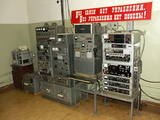 |
Dieser extra heimlicher Bunker mit einem Deckname "Altersheim" war einer von den strategisch wichtigsten Orten im Falle des Atomkrieges im Sowjetstaat Lettland. Im Territorium vom Rehabilitierungszentrum "Līgatne" 9m unter die Erde ist ein gut eingereichteter Bunker gelegen. Im Falle des Krieges könnten wichtigsten Militär- und Zivilpersonen aus diesem Bunker aus die Staatsleitung fortsetzen und damit das Bestehen der Republik in der Zeit des Krieges gewährleisten. Bis zum Jahr 2003. wurde der Bunker geheim gehalten. Die sämtliche authentische unterirdische Ausrüstung ist bis heute erhalten geblieben. Die Besucher können den Bunker in Begleitung eines gebildeten Reiseführers besichtigen, als auch eine typisch sowjetische Mahlzeit einnehmen. Ein Objekt dieser Art in so gutem Zustand ist das Einzige in baltischen Staaten, möglicherweise – auch das Einzige in der ehemaligen Sowjetunion.
|
|
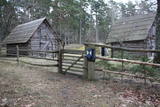 |
0,2 km nordöstlich von dem Volkshaus der Liven kann man das Haus Seppes sehen. Die Kornkammer der Wirtschaft hat Hausecken mit Rundholzverbindungen und sie wurde von dem in den 1920er – 1930er Jahren aus der Ösel gekommenen Esten – dem Fischer und Zimmermann Jēkabs Jaga gebaut. Auf der anderen Seite des Weges kann man das Haus Kalši sehen, das ein am Anfang des 20. Jhs. gebautes Wohnhaus ist. Dieses Haus ist erneuert worden, und dabei wurden in den Hauswänden die Ziegelsteine erhalten, die in der Ziegelbrennerei von Brauskas in Mazirbe gebrannt wurden. |
|
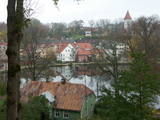 |
The town of Talsi is known as the “town of the nine hillocks,” and it is worth touring the location on foot. You’ll find the best views from the Talsi castle hill (views of Lake Talsi and Ķēniņkalns Hill), Sauleskalns (Lake Talsi, the castle hill, Ķēniņkalns Hill), and the hiking trails of Ķēniņkalns (Lake Talsi, the castle hill, the historical town centre).
|
|
 |
After the death of the Kalnasikšņi oak tree, which was the mightiest tree in the Gauja National Park, the mighty Kvēpene oak tree has taken over that role. It has a circumference of 6.1 m, a height of 20 m, and a crown which measures 28 x 30 m. The beautiful tree is on the right bank of the Gauja River valley and is one of the most excellent trees in Latvia. Near it is the forested Kvēpene castle hill, as is the Svētavots stream, which is reputed to have medicinal waters. To the North of the castle hill is the Rūsiņš hillock, which offers a good view of the surrounding forests, the towers of the city of Cēsis, Ieriķi, and the Rakšupe estuary at the Gauja. There is a bench at the top of the hillock from which lovely sunsets can be seen. |
|
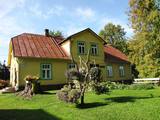 |
Eingerichtet im elterlichen Haus „Skudrās” des lettischen Komponisten und Dirigenten Pēteris Barisons (1904 – 1947). Man kann Gegenstände aus dem Besitz des Komponisten, Musikinstrumente, Dokumente u. a. anschauen. Führungen nach vorherigen Anmeldung. |
|
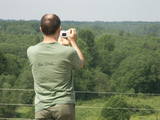 |
Die Wälder von Zvārde befinden sich auf einem ehemaligen sowjetischen Luftstützpunkt. Das Gebiet war nicht bewohnt und für Zivilisten nicht zugänglich. Auf dem riesigen Gelände gibt es verschiede Waldarten – Nadelwald, Schwarzerlensümpfe usw. Die Tatsache, daß das Militär dieses Gebiet kontrolliert hat, ist der Grund dafür, daß in den Wäldern von Zvārde viele seltene und geschützte Vögel leben, brüten und Futter finden. Einige Teile des alten Luftstützpunktes sind noch vorhanden, wie z.B. eine Überwachungsstation. Es wird empfohlen, daß sich Besucher nur auf den allgemein benutzten Straße bewegen.
|
|
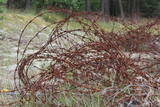 |
Station der Raketen zum Fliegerabwehr ist im weiten Territorium südlich von Pāvilosta gelegen. Ein verlassenes und degradiertes Naturterritorium, wo die Warnungszeichen "Gefährlich, lebensgefährlich!" aufgestellt sind.
|
|
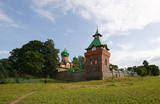 |
Kloster von Kuremäe wurde im Jahr 1891 errichtet und es ist das einzige tätige russisch-orthodoxe Nonnenkloster in Estland. In den vergangenen Tagen befand sich hier der Hainort der altertümlichen Esten. Am Berg ist eine Opferquelle, die heute wegen seines heilenden Wassers als heilige Quelle genannt wird. Kloster ist für die Touristen geöffnet und alltägliches Leben der Klosterbewohner kann man besichtigen. Wer den ganzen Klosterkomplex besichtigen möchte, kann von Nonnen eine Führung bestellen. |
|
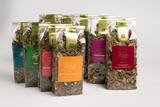 |
In the farm "Ozoliņi" organic tea is produced. With brand "Lauku tējas" tea has been sold in stores more than 17 years. Hostess is happy to share her knowledge through seminars and tea workshops. The farm is surrounded by forests and biologically valuable meadows where you can find up to 50 plants per square meter. |
|
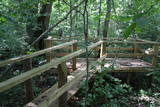 |
Informatīvi bagāta un interesanta dabas izziņas taka, kas ved pa Gaujas tuvumā esošajiem krasta biotopiem – boreāliem mežiem, nogāžu mežiem, gar vecupi, jauktiem lapu koku un platlapju mežiem, kā arī parkveida ozolu pļavām. Ziemeļgaujas aizsargājamo ainavu apvidū esošie meži ir vieni no sugām daudzveidīgākajiem Latvijā. Taka ir marķēta, izveidotas skatu platformas, izvietoti informatīvie stendi. Kopējais takas garums: 2,2 km |
|
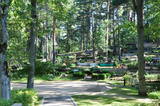 |
Ein Friedhof befand sich an diesem Ort (Siguļi) schon seit dem Jahr 1773. Auf dem Friedhof von Carnikava ist der hervorragende lettische Dichter Ojārs Vācietis (1933 – 1983) bestattet worden. Auf dem Friedhof ist ein Denkmal für ihn errichtet. Es ist auch eine im 18. Jahrhundert gebaute Kapelle des Landguts von Carnikava und einen Denkstein des Landgutsmieters G.Falk zu besichtigen. |
|
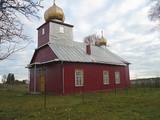 |
Notra’s Old-Believers Prayer House. The construction works
lasted from 1928 till 1931. The church is situated on the site of the
previous church that was originally built in 1853.
|
|
 2 Tagen
|
Маршрут подходит для активных туристов, интересующихся многообразием природной и культурной среды национального парка «Кемери». Национальный парк «Кемери» (основан в 1997 г.) создан, прежде всего, для защиты водноболотных угодий – мелководного побережья Рижского залива, заросших прибрежных озер, болот, влажных лесов (трясин и др.) и пойменных лугов, как значимых мест произростания многих растений (~ 25 % от видов растений, занесенных в Красную книгу Латвии) и обитания животных, особенно мест скопления гнездящихся и перелетных птиц. На территории парка находится один из крупнейших заболоченных массивов Латвии – Большое Кемерское болото. Заболоченные массивы являются значимым местом образования и выхода сероводородных вод, а также местонахождения лечебных грязей, используемых в медицине, которые в свое время послужили основанием для создания известного курорта «Кемери». Информация о маршруте от Latvijas Lauku forums |
|
|
|
This is a segment of the shore of the Bay of Rīga that is around 40 km long and features the valleys of three major rivers – the Lielupe, Daugava and Gauja river. There are dune formations, biotopes, seashore meadows and forested seashore dunes which are an important recreational resource. |
|
 |
The farm produces six different kinds of blackberries. You can tour the surrounding fields, learn about how blackberries are grown, and taste and purchase valuable berries. Your children will love the rabbits and goats that are at the farm. |
|
|
|
The cave, which is 45 m deep and up to 5.5 m wide is found on the right bank of the Strīķupe river, by the Cēsis-Lenči road. The cave and its nearby sandstone cliff have suffered much damage from local visitors, which is why the administrators of the national park limited access to the surrounding territory a few years ago. You can no longer approach the cave. This is a positive example of who an important geological monument and a protected biotope can be protected. |
|
 |
The fast-food place of a bistro type in Gulbene with a tasty lunch menu for very reasonable prices. It is also possible to try dishes typical for Gulbene district here. Working hours: Monday-Friday: 08:00 - 18:00, Saturday: 09:00 - 14:00 |
|
 |
Atpūtas vieta ģimenes īpašumā Vārvē, kurā tiek piedāvāti pirts rituāli. Tāpat ir iespēja pārnakšņot namiņā un atpūsties pie dabas un Ventas upes. |
|
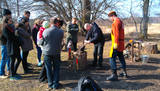 |
Visiting a blacksmith has always been something special. Does this job still exist, and is it still importance? Some may wonder who is a blacksmith is in the first place. The DUDU Nests open-air smithy will answer all of your questions. The blacksmith will teach you all about his profession, talking about the tools and materials that are necessary, the relevant traditions and the everyday work of blacksmiths today. You can forge your own nail to test the difficulty of the work. The blacksmith will happily attend your event with his open-air forge. This is perfect for students, smaller children, wedding guests or individual visitors.
|
|
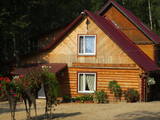 |
Hier wird Viehzucht, Obstbau und Gemüsebau betrieben, sowie Milch und Fleisch erzeugt und verarbeitet. Die Wirte teilen ihr Wissen, wie man Käse (auf offenem Feuer) kocht und macht. Hier werden Brot nach Rezepten der Vorfahren gebacken und Hochzeitsfeiern nach den lettgallischen Traditionen angeboten. Lettische Küche: Roggenbrot, 14 verschiedene Käsesorten, Bauernsuppe, hausgemachtes Bier und eine Vorführung des Bierbrauens. Das besondere Gericht: Gefüllte Kartoffelpfannkuchen Gulbešnīki mit Pilzsoße. |
|


