
| Nr | Nosaukums | Apraksts |
|---|---|---|
 |
Saimniecībā audzē ābolus, zemenes, upenes, jāņogas u.c. ogas un augļus, ir plašs klāsts ar pārstrādes produktiem - dabīgas sulas, nektāri un sīrupi. Piedāvā ābeļu, zemeņu, jāņogu, ērkšķogu, smiltsērkšķu un aroniju stādus, konsultē par komercdārzu ierīkošanu un kopšanu. Ekskursijas pa komercstādījumiem. |
|
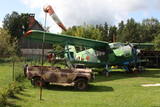 |
Vienīgā Latvijas kafejnīca, kurai ir ļoti neparasts - militārās tehnikas un citu atribūtu, t.sk. - Padomju armijas interjers. Arī tās dārzā ir apskatāmi interesanti eksponāti - artilērijas šāviņi, lidmašīna, kara automašīnas u.c. Tiešām vērts ieiet un izdzert kafiju.
|
|
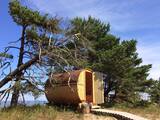 |
Piedāvājums nakšņot divvietīgās mucveida koka mājiņās pašā jūras krastā priežu kāpās Kolkasragā. Pavadiet neaizmirstamus vakarus vai brīvdienas Saules mājiņās ar mīļoto cilvēku vai draugiem pāris soļu attālumā no jūras, baudot relaksējošu dabu un saules peldes pašā Kolkasragā!
|
|
 |
Saimniecības "Ances" Latvijas tumšgalves aitas aug tīrā vidē – Ziemeļvidzemes biosfēras rezervāta teritorijā, Igaunijas pierobežā, Naukšēnu pagastā, kur nekad nav intensīvi lietoti ķīmiskie augu aizsardzības līdzekļi un minerālmēsli. Aitas gan ziemā, gan vasarā brīvi pārvietojas, un nožogojums ganībās kalpo, pirmkārt, lai aizšķērsotu ceļu vilkiem un meža cūkām. Saimniecības ganāmpulkā tiek turētas tikai tādas tīršķirnes aitu mātes, kuras dzimušas kā dvīnes vai trīnes, t.sk. arī ģenētisko resursu dzīvnieki. Dzīvnieku priekštečiem ir tikai vienas šķirnes - Vācijas melngalves asiņu piejaukums. Aitas tiek lecinātas tikai ar augstvērtīgiem LT teķiem pa grupām janvārī, februārī un augustā, septembrī. |
|
 |
Konditoreja - kafejnīca "Bemberi" atrodas Saulkastos netālu no Saulkrastu dzelzsceļa stacijas. Piedāvā ražotnē tapušos konditorejas izstrādājumus – pīrādziņus, smalkmaizītes, kūkas, kēksus un maltīti visām ēdienreizēm. Saulkrastos, Raiņa ielā 7 meklējama otra kafejnīca. Latviešu virtuve: Aukstā zupa, rasols, šķovēti kāposti, mājas kotletes, pelēkie zirņi ar speķi. Īpašais ēdiens: Malkas krāsnī ceptas picas. |
|
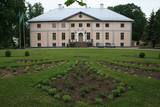 |
Vilces upes gleznainajā krastā 18. gs. 50. gados muižas kompleksu uzcēla viens no baronu Mēdemu dzimtas pārstāvjiem – Kristofs Dītrihs fon Mēdems, kurš bija laulājies ar grāfa Keizerlinga meitu Annu fon Keizerlingu. Pateicoties šīm laulībām līdz pat šodienai Vilces muižas ieejas portālu rotā Mēdemu - Keizerlingu alianses ģerbonis. Vilces muiža tika pārbūvēta 19. gs., kad muiža kļuva par Johana Frīdriha Vilhelma fon Hāna īpašumu. |
|
 |
Celta 18. gs. beigās agrīnā klasicisma stilā kā grāfu Mellīnu dzimtas īpašums. Mākslinieciski vērtīgi K. V. Kalopkas zāles dekorējumi (1792. g.) un krāsnis (19. gs. beigas). Parks. |
|
 |
Ne – biologam šī teritorija nebūs saistoša – grūti pieejams, atrodams un vēl grūtāk caurbrienams purvainu mežu masīvs Ziemeļos no Rīvas ciema. Nav domāts un piemērots apmeklējumiem. |
|
 |
Atrodas 200 m ziemeļaustrumos no akmens tilta pār Tebru. Ūdensdzirnavu komplekss celts 18. gs. beigās – 19. gs. sākumā uz Tebras upītes, uzpludinot Dzirnavdīķi. Blakus dzirnavām atrodas 19. gs. beigās celtā Aizputes muižas alusdarītava, apvienojot divas vecākas Pilsmuižas saimniecības ēkas. |
|
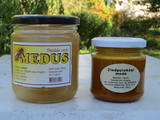 |
Piedāvā dažādziedu, meža, viršu, liepziedu, ziedputekšņu, bišu maizes, propolisa u.c. biškopības produktu iegādi. Dalās pieredzē un izrāda piemājas dravu. |
|
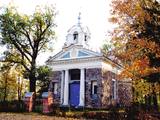 |
Kuļņevas (Ilzeskalna) pareizticīgo baznīcu 1832. gadā cēlis
Ilzenbergas (Ilzeskalna) muižas īpašnieks Mihails Kuļņevs, Jakova
Kuļņeva brālis. Baznīcā apskatāms grezns ikonostass ar 19. gs.
gleznām. Baznīca ir taisnstūra celtne ar pusapļa sānu izvirzījumiem
nišu veidā. Šeit apbedīti Kuļņevu ģimenes locekļi. Kapa vieta baznīcā
ir reti sastopama parādība Latvijas pareizticīgo baznīcās.
|
|
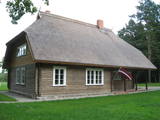 |
„Airītes” atrodas vietā, kur 1919.gada 6.marta kaujas laikā krita jaunizveidoto Latvijas bruņoto spēku pulkvedis Oskars Kalpaks, Studentu rotas komandieris Nikolajs Grundmanis, Jātnieku nodaļas virsnieks Pēteris Krievs un leitnants Hanss Johans Šrinders. 1920. gadā par saziedotajiem līdzekļiem „Airītēs” uzsāka pieminekļa izveidi Oskaram Kalpakam, kuru atklāja 1922. g. 3. septembrī. 1935. gadā pēc savienības „Pulkveža Kalpaka bataljons” iniciatīvas uzsāk muzeja saimiecības celtniecību, kurā plāno izveidot Kalpaka bataljona cīņām veltītu muzeju. To atklāj gadu vēlāk. Padomju laikā piemiņas ansambli iznīcina, bet ēkā izvieto pastu un iekārto dzīvokļus. Atmodas laikā (1988. – 1989.) piemiņas vietu atjauno, bet 1990. g. 11. novembrī no jauna atklāj O. Kalpaka muzeju. 2007. gadā remontdarbu laikā nodeg ēkas otrais stāvs. Muzeju un ekspozīciju atjauno 2013. gadā. Ekspozīcija atklāj O. Kalpaka dzīves gaitas I pasaules karā un Latvijas atbrīvošanas cīņas. Muzeja darbinieki regulāri organizē O. Kalpaka piemiņas pasākumus un Lāčplēša dienas svinības. |
|
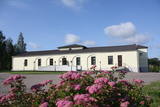 |
Gulbenes novada vēstures un mākslas muzejs dibināts 1982.gadā un apsaimnieko trīs ēkas – Vecgulbenes muižas oranžēriju, klēti un Sarkano pili. Oranžērijas ēkā izvietotas izstāžu zāles un apskatāmas divas pastāvīgās ekspozīcijas „Gulbenes vēsture” un „Jūlijs Madernieks”. Regulāri tiek atklātas dažāda satura tematiskās izstādes. Vecgulbenes muižas klētī apskatāma ekspozīcija „Tautsaimniecība”, kur apmeklētāji var iesaistīties vairākās aktivitātēs (malt ar rokas dzirnavām, pārbaudīt smaržas un taustes iemaņas, noteikt kokus, graudus, vīt virves u.c.). |
|
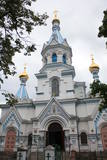 |
Atrodas t.s. Baznīcu kalnā - Tautas ielā 2. Šo uzskata par vienu no krāšņākajiem Latvijas pareizticīgo dievnamiem, kura ārējo veidolu izrotā daudzo torņu kupoli. Tā celta 1905. g. kā Dinaburgas garnizona baznīca ar daudziem nozīmīgiem mākslas pieminekļiem interjerā, t.sk. 19. gs. ikonām. Dievnams ir ikdienā atvērts un apskatāms no iekšpuses. |
|
 |
Mājas saimniecība „Pie Tēvoča Garika" piedāvā iepazīties ar nelielu dzīvnieku kolekciju. Dažus dzīvniekus var pabarot un paglaudīt. Te iespējams apskatīt gan mājas dzīvniekus, gan savvaļas dzīvniekus. Par katru dzīvnieku sniedzam informāciju. |
|
 1 diena
|
The Baltic Coastal Hiking Route leads around the Pakri Peninsula, from whose rocky shores you will discover the most beautiful coastal landscapes in northwest Estonia. It goes through the centre of Paldiski and, after having reached the fortress bastions of Peter I, it turns towards the Pakri Lighthouse going across the upper part of the impressive Pakri Cliffs. Further on up to Kersalu, there are both ups in the shape of rocks and downs where the Baltic Coastal Hiking Route meanders along a sandy and rocky seacoast and a beautiful pine forest. |
|
|
|
Pilsētas aizsargdambi upes labajā krastā (1830. - 1841., autors kara inženieris P. Meļņikovs) cēla ar mērķi aizsargāt pilsētu no applūšanas. Dambis stiepjas 5,6 km garumā. Pēc 1922. g. postošajiem plūdiem uzsākta aizsargdambja celtniecību arī Daugavas pretējā - kreisajā krastā. |
|
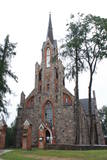 |
Atrodas Cesvaines ziemeļdaļā. Dievnams celts 1879. g. (neogotikas stils) no plēstiem laukakmeņiem (arhitekts M. P. Berči). Pēcāk tas divas reizes atjaunots - 1929. g. un 20. gs. 90. gadu sākumā. Baznīcā atrodas J. Bīnes altārglezna “Kristus pie krusta” (1923. g.). |
|
 |
Restorāns "Martinelli" atrodas Talsu centrā, Lielās ielas malā. Piedāvā ēdienus no vecmāmiņu pavārgrāmatas, pasaules virtuvi un plašu vīna klāstu. Sadarbojas ar vietējiem zemniekiem. Latviešu virtuve: Skābu kāpostu zupa ar ceptu cūkgaļas krūtiņu, meža sēņu – grūbu zupa, siļķe ar biezpienu, bukstiņputra, šmorcepetis ar šķovētiem kāpostiem, jēra cepetis, biezpiena plācenīši, Latvijā ražotas alus šķirnes. |
|
 |
Kafejnīca "Stūrītis" atrodas Madonas centrā. Ēdienu gatavošanā izmanto augļus un dārzeņus no pašu saimniecības. Latviešu virtuve: Aukstā biešu, skābeņu un gaileņu zupa, pelēkie zirņi ar speķi, siļķe, miežu biezputra ar circeņiem, sēņu mērces, ievārījumi (septiņi veidi), visu gadu - aveņu vai zemeņu deserts. Plānās pankūkas, kas pildītas ar kartupeļiem, ķirbjiem, āboliem un rabarberiem, biezpiena plācenīši. Mājas sulas, zāļu tējas, saldējuma kokteiļi. Īpašais ēdiens: Mājas biskvīta kūka ar svaigām ogām. |
|


