
| No | Name | Description |
|---|---|---|
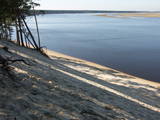 |
An important complex of the coastline and its sand dunes along with the mouths of three major rivers – the Lielupe, the Daugava and the Gauja. This area has ancient traditions of recreation and spa services. The territory has lovely shoreline landscapes and features one of the few coastline meadows in Latvia. The nature park includes several restricted areas – the meadows of the Lielupe estuary, Vakarbuļļi, Daugavgrīva, Vecdaugava and Ummis (see the section on “Restricted Natural Areas”). Interesting elements of nature in this area include the amphitheatre of the Garciems dunes, along with individual dunes such as the Legzdiņi dune and the so-called ski mountain dune. Visitors will be attracted by various cultural and historical monuments – fortifications on the Mangaļi peninsula, military buildings from the period of the Russian tsars all the way through the late period of the Soviet occupation, the fortress of Daugavgrīva, the Vecāķi spa with its old shoreline buildings, and the beaches at Daugavgrīva and Vecāķi. The proximity of the city of Rīga and various important recreational resources are the reason for the massive anthropogenic burden that is placed on this territory. The nature park is appropriate for active tourism (hiking, bicycling, boating, driving), distance skiing, nature and bird-watching, cultural tourism, passive leisure and educational tourism. There are nature trails at Daugavgrīva and the Rožu dunes, along with other elements of infrastructure. |
|
 |
This circular trail features a unique landscape of parallel rampart-type sand dunes and grassy swamps among the dunes. The 3.5 km trail leads through a landscape that is unique in Europe and emerged some 6,000 years ago as the sea was receding. This landscape offers evidence of the geological history of the Baltic Sea. There is a high-type swamp (the Pēterzers swamp), along with remnants of an old narrow-gauge railway. Wooden pathways have been installed along the swamp and the surrounding wetlands. |
|
 |
The blacksmith is eager to show his work and various techniques and tools. He can also show how to make charcoal, and talks about the dwelling house which includes a threshing barn with a huge kiln, and explains how grain was dried, threshed and winnowed in the past. |
|
 |
In Pärnu Farmers’ market you can buy produce of Pärnumaa and other small manufacturers of the region, as well as freshly baked bread and confectionary. |
|
 |
The “Ieviņa” café and bakery is in the centre of town and near Market Square. It sells cookies, pastries, tortes, carrot buns, pierogi, etc. |
|
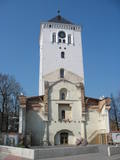 |
The most significant period for the town is the time from 1561 to 1795, when the Jelgava district is a part of the Duchy of Courland and Zemgale. When Jelgava obtains the status of residence of the Duke of (1567t) and becomes the capital of the Duchy (1616) a rapid urban development begins, which is highest of during the reign of Duke Jacob. During the reign of last two Dukes of Courland - Ernst Johann Biron and his son Peter (1775) St. Peter's Academy (Academia Petrina) - the first Latvian Institute is founded, in 1816 is founded Courland Society of Literature and Art, in 1822 the first newspaper in Latvian "The Latvian newspaper" is published, in 1802 the first Latvian theatre building is built, but in 1898- the first building intended for museum. In 1937 Latvian agriculture camera is located in the Jelgava palace, but after two years Jelgava Agriculture Academy is opened. Nearly all the town's historic buildings and art treasures perished in the summer of 1944. After the World War II, Jelgava was rebuilt. Recently the Trinity Church tower has been restored, in which now is located one of the best Latvian interactive museums (very friendly for families with children). |
|
 |
Viena no ciema augstākajām būvēm. Koka vējdzirnavas cēla 1930. g. un ar vēja palīdzību darbināja septiņus gadus (vēlāk ar elektromotoru). Pie dzirnavām atrodas Jūrmalciema tūrisma informācijas punkts, stends un atpūtas vieta. Turpat redzami veco, zvejnieku pamesto liellaivu koka korpusi. |
|
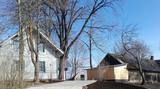 |
Guesthouse "Stikāni" is located in Rezekne district. The guesthouse has four comfortable rooms for two people and a dining room with an exit to the garden terrace. A knowledgeable guide will take you to the nature trail where you can learn about typical trees and bushes, popular and less known medicinal plants, nesting birds (during the summer) and impressive bird migration during the spring and autumn. |
|
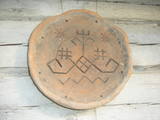 |
This is a unique exhibition of woven chairs, chair-making instruments, photographs, and other objects related to chair-making traditions from the late 18th to the mid-20th century. Ceramicist Īrisa Vainovska will talk about the pottery arts, offering decorative plates, interesting wind pipes and souvenirs. |
|
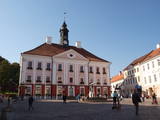 |
Formed on the left side of river Emajõgi, in the valley of Doma Hill. The centre of The Old Town of Tartu is Town Hall Square with Town Hall and the fountain "The Kiss of the Students" (symbol of the city). |
|
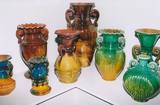 |
This museum is devoted to the career of the ceramist Polikarps Čerņavskis. His work featured light, yellowish and very bright glazing. Guided tours of the museum are available. There are demonstrations of the use of the potter’s wheel. Ceramics can be purchased, and visitors can attend the opening of the kiln. Special works can be commissioned.
|
|
 |
Bērzes upes labajā krastā, vietā, kur tagad paceļas Dobeles pilsdrupas, jau 1. gadu tūkstotī p. m. ē. atradās zemgaļu apmetne un vēlāk – koka pils. Gandrīz simts gadus pils izturēja vairākus krustnešu uzbrukumus un aplenkumus, un tikai 1289. g., kad vācieši bija pilnībā izpostījuši apvidu un tālāka pretošanās kļuva bezcerīga, zemgaļi paši nodedzināja savu koka pili un neuzvarēti aizgāja uz Lietuvu. 700 gadus vēlāk, 1989. gadā, godinot zemgaļu cilšu piemiņu, bijušās senpilsētas vietā tika atklāta piemiņas zīme, ko veidojis mākslinieks Mārtiņš Zaurs. Akmenī iecirsts teksts: “Zini, no šīs vietas pirms 700 gadiem zemgaļi aizgāja lepni un brīvi”, kā arī dzejnieka Viļa Plūdoņa vārdi : “Mēs svešā malā ejam, bet sirds mums paliek te”. |
|
 |
Briežuciems, kas atrodas Balvu novadā, ir izveidojies pēc 2. Pasaules kara kā padomju saimniecības „Briežuciems” centrālais ciemats. Mūsdienās Briežuciema amatu meistaru ciems ir vieta, kur tiek kopti un godāti tradicionālie amati, iesaistot tos mūsdienu dzīvē. |
|
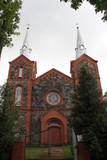 |
Dievnams celts no šķeltajiem laukakmeņiem un sarkanajiem ķieģeļiem laikā no 1894. - 1909. g. Tajā saglabājušās vecās koka baznīcas iekārtas un 18. gs. sākumā veidots cilnis “Svētais vakarēdiens”. |
|
|
|
Одно из сравнительно редких мест, где на побережье можно понаблюдать за рыбаками в работе. Ветряная мельница «Клаюми» (1930 г.) является одним из самых высоких сельских строений. Рядом с мельницей находится Юрмалциемский Туристический информационный пункт, информационный стенд и место для отдыха.Здесь же видны старые деревянные корпуса барж, брошенных рыбаками. Экспозиция«Старинные предметы жителей Юрмалциемса» находится в восточной части поселка, где в деревянном сарае представлены собранные местными энтузиастами предметы быта и орудия труда окрестных жителей. |
|
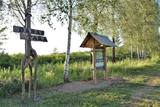 |
Kokneses dabas taka (5,65 km) ved gar Daugavas un Pērses krastiem un savieno Kokneses parku un Likteņdārzu. Pastaigā pa dabas taku var doties no jebkuras sevis izvēlētas vietas, kas vijas cauri Kokneses parkam. Takā izveidotas laipas, tiltiņi, informācijas stendi un norādes. |
|
 |
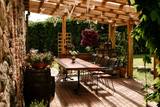
Café Ugandi is a cosy place in the very heart of Otepää, filled with a warm atmosphere, pleasant feelings, pure and delicious flavours. As soon as you arrive, you will feel the aroma of premium quality coffee and sweet pastries. The large showcase is filled with delicious cakes - you can enjoy them here or take them with you to enjoy later at home. |
|
 |
Here you can tour a local brewery, ride bikes, enjoy water sports, go fishing in the local river, and taste foods with hops. The guesthouse offers tastings of herbal teas and beer. Learn all about traditions in brewing beer. |
|
 |
The restaurant is in Bocmaņa Square in the centre of Salacgrīva and on the banks of the Salaca River. The well-known “Pie Bocmaņa” saloon has been redesigned and features the topic of Baron Munchhausen. Latvian cuisine: Herring salad, herring with cottage cheese, fish soup, breast of pork with onions, grey peas with bacon, fried livers, baked plaice, baked filet of pike-perch, stacked rye bread. |
|
 5 days
|
Duke Jacob of the Duchy of Kurzeme and Zemgale was on the throne from 1642 until 1862, and during that time the duchy rapidly expanded ship building operations, opened the first factories and improved agricultural output. Jacob's ships plied the seas to export goods, to establish colonies in Tobago and Gambia, and to bring sugar, coffee and spices back to Europe. This was the age when potatoes first appeared in Latvia, though it took a couple of centuries for them become beloved. |
|


