
| No | Name | Description |
|---|---|---|
 |
The Lācīši farm can be found in the Galgauska Parish to the Southwest of Gulbene. One of the largest farms in Northeastern Vidzeme, it specialises in grain farming (577 ha), rapeseed farming (295 ha), and various grasses. It is also a dairy farm with some 100 cows to produce meat and breed calves. There is an interesting room for meetings and presentations, with large glass windows opening up to the cattle barn. The farm actively makes use of EU funding. Contact the farm in advance for tours and exchanges of experiences. |
|
 |
Latvian blackhead sheep are in a clean environment at the Ances farm, which is in the Northern Vidzeme Biosphere Reserve near the border with Estonia. It is in the Naukšēni Parish, where chemical plant protection substances and mineral fertilisers have never been used intensively. The sheep roam freely during the winter and summer, with fencing to protect them against wolves and wild boar. The farm only uses female sheep born as twins or triplets, including animals for genetic resources. All of the sheep come from German blackhead sheep and are only mated with high-quality LT rams in January, February, August and September. |
|
 |
The restaurant is situated in the centre of Rezekne city, alongside the Rēzekne University College in a building with vaulted cellars. The restaurant has an interesting interior design and its menu is developed according to the seasons of the year. Latvian cuisine: Cold soup, crepes, potato pancakes, roast pork, pork ribs, veal cakes, sautéed mutton, baked cod or trout. |
|
 |
Izcila lokveida taka (4,5 km), kuras lielākā daļa (koka laipas) ved pa Rīsas purvu (Riisa raba). No takas un divstāvīgā koka skatu torņa ir vērojami purva ezeriņi, lāmas, un purvaini meži. Ja nacionālā parka apskati sāk no ziemeļu puses, tad šī taka ir labs ceļojuma iesākums! |
|
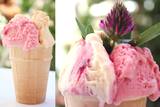 |
The family enterprise (formed in 2006) makes home-made ice-cream from fruit and berries. They make both classical – such as plombieres, cream, joghurt ice-creams and sorbets and nowadays cuisine’s „miracle”- sprat, blue cheese, horse-radish and potato ice-cream with tomato sauce. Till now 80 different ice-cream recipes have been tried. If you book a visit beforehand, you can have an excursion and learn everything about the process of making ice-cream from the chefs themselves. In the cafe it is possible to try different ice-cream dishes – each one with a different ice-cream sauce. The cafe also welcomes pets! Special foods: Horseradish ice cream with herring. |
|
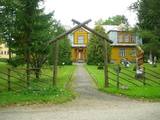 |
Kalevipoeg is a hero from the Estonian national epic, most of his stories come from Jõgeva County, where you can find his sword in the Kääpa River, there are his places of rest, stones he’s thrown, springs and bogs, ploughing furrows, etc. The museum has 12 themed rooms presenting Kalevipoeg´s legends as well as Estonian heritage. 17 wooden statues of the epic’s characters stand in the museum grounds. |
|
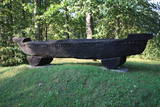 |
3 km to the south of the centre of Jūrkalne, near the old (gravelled) road between Liepāja and Jūrkalne, is the place where the three-year Feliksberga Maritime School existed between 1871 and 1902. The building is long gone, and the memorial has involves an oaken boat with two wooden poles on which old ownership signs have been engraved. |
|
 |
The restaurant is at the Chocolate Museum in Pūre. The terrace offers a lovely view of the ancient Abava River valley. The men changes on the basis of the seasons and demand. Latvian cuisine: Chilled soup, sorrel soup, sautéed peas and carrots, liver stroganoff, oatmeal dessert, milk gelatine with berry sauce. Special foods: Dishes with Pure Chocolate products and garnishes. |
|
 |
This farm has 36 ha of land and is near Latvia’s border with Belarus. It raises goats and obtains some 10 tonnes of milk from them each year. The milk is processed at the farm, which offers cottage cheese, cream, various kinds of cheese, homemade ice cream and meat products. Tastings are offered, and visitors can help to do the work at the farm. The farm is part of the Latgale network of culinary heritage and is a biological farm. |
|
 |
Biedrība "Latvijas Slieku audzētāju asociācija" tika nodibināta 2010. gada 1.septembrī ar mērķi attīstīt sliekkopību un vermikomposta ražošanu Latvijā. Pamatnodarbošanās - vermikomposta ražošana. |
|
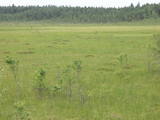 |
Dabas liegums veidots salīdzinoši neliela pārejas tipa purva aizsardzībai. Purvu lieliski var pārredzēt no nelielā skatu torņa.
|
|
 |
Neliela apdzīvota vieta, kuras apkārtnē jau izsenis iegūta kūdra un ārstniecības dūņas, kas izmantotas Ķemeru kūrortā. Kūdrā atrodas padomju laikā celtā dzelzsbetona rūpnīca, kura nodrošināja ar būvniecības materiāliem tagadējo Kauguru mikrorajonu.
|
|
 |
This venue is a lovely and calm place by a pond that will delight all fishermen with a massive number of fish. Guests will sleep in a granary that is 120 years old and has bedrooms, a kitchen and a sauna. |
|
 |
"Karpyne" has an excellent restaurant which offers both various fish dishes as well as other foods. Here there's a lot to do inside and outside, for example, inside is bowling alley, swimming pool, gym and outside - outdoor swimming pool and a tennis court, there's a possibility to fish too. Seminars and celebrations can be organised here. |
|
|
| ||
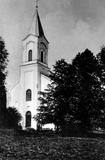 |
The first building of the church was built in 1641. The fourth building of the church was only built in 1856 – during the times of Pastor Johann Wilhelm Knierim. Its altar painting – The Crucified Christ (Golgotha) was painted in 1856 by Jozeps Millers, who was influenced by the altar piece in Munich Louis Church created by his teacher Peter Cornelius. An epitaph of Baroness Auguste Amalija von Pistohlkros, the sister of the owner of Bīriņi Manor and the patroness of the church, was immured in the memorial wall. Construction of the tower was completed on 11 June 1856, as evidenced by a memorial plaque on the wall of the church with an inscription “Erbaut von August Pistolkors 1856”. The church was consecrated in 1864. And a year later an organ by Martin Company with 8 registers, which was extended to 14 registers in 1903, was installed in the church. Unfortunately, the organ was destroyed in WW2. Saulkrasti (Pēterupe) Evangelical Lutheran Church survived both World War 2 and the Soviet period. The Soviet era was one of the most difficult times for the church, because many churches in the area were destroyed, pastors were discharged and the congregation fell apart. The Pēterupe congregation remained. As an architectural monument the church was lucky enough to undergo roof repairs of the tower even during Soviet times. Funds were granted by the Chairlady of the Executive Committee Ņina Manzūrova. |
|
 |
Atpūtas vieta "Buki" atrodas Ventspils novadā, Baltijas jūras piekrastes aizsargjoslā. "Buki" ir klusa vieta atpūtai, kur iespējams baudīt Latvijas lauku mieru. Piedāvā atpūtu ģimenēm ar bērniem, draugu kompānijām vai vienkārši dabu mīlošiem cilvēkiem. Atpūtas vietas teritorija ir labiekārtota un tajā ir iespējama makšķerēšana piemājas dīķī, sporta aktivitāte kā volejbols, kā arī teritorijā ir atrakcijas bērniem - batuts un šūpoles. Nakšņošanas iespējas 6 veidu kotedžās, 3 veidu numuros viesu namā un 2 brīvdienu dzīvokļos, kā arī teltīs un treilerī. "Buki" piedāvā vietas svinībām gan lapenēs, gan svinību teltī (līdz 100 personām), arī divas pirtiņas. Atpūtas vietas teritorijā ir mini ZOO, kurā iespējams ne tikai dzīvē ieraudzīt dažādu sugu un dzimtu pārstāvjus, bet arī tos apčubināt un pabarot. Mini ZOO var sadzirdēt pērļu vistas, dziedošu ēzeli Janci, redzēt krāšņo pāva asti, izbaudīt alpakas un lamas vilnas mīkstumu, satikt aci pret aci dažādus kamieļus un daudz ko citu. Tāpat saimnieki piedāvā dažādu mājražojumu (kūpināta gaļa un zivis, kazas siers, olas, desas, sezonas augļus un dārzeņus u.c. produkti) degustācijas. |
|
 |
A shop and café, located in the fish market in Ragaciems, offers dried meats, meat and snack platters, and other culinary delicacies made from home-made products. It is a meeting place, as has long been the case in markets, where buyers meet producers and farmers. An outdoor terrace is open during the summer season. |
|
 |
Uzpludinātās Zveņģupītes kreisajā krastā – neliela meža pudura malā (170 m no Rīgas – Daugavpils šosejas (A 6)) atrodas 1991. g. atklātais (autors: Juris Zihmanis) akmens – piemiņas vieta 17. gs. Lielvārdes meitenei Katrīnai, kura kā ragana sadedzināta sārtā. |
|
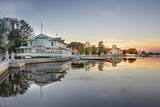 |
Haapsalu was once loved by aristocrats who stayed here during summers, nowadays this town is very appealing to its visitors because of its essence - tiny streets, old wooden buildings and promenade. Worth mentioning are also town's SPAs which were one of the reasons why Haapsalu was so popular its earlier years. Interesting enough, the famous composer Tchaikovsky considered this place one of his favorite's for spending the holidays. |
|


