
| No | Name | Description |
|---|---|---|
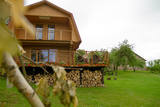 |
The guest house is located in Odziena, Vietalva Parish, Plavinas Region. The house has 5 bedrooms, guests can enjoy a sauna, a pool and a swim in the pond, as well as fishing. There is a large surrounding area for organizing activities and other classes - the guest house is suitable for both relaxation and celebrations. |
|
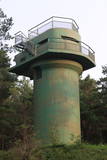 |
The battery is to the South of Ventspils, not far from the Piejūras Park. Work on the battery began in 1939. Today the site is a complete mess, standing out in a negative way from the tidy city itself. People seeking building materials and ferrous metals helped to tear the place down. It’s too bad that this historical location – one that might be of interest to tourists – is in such sad shape, and right at the gates of the city, to boot.
|
|
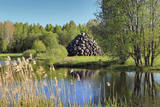 |
This pile of big rocks stands around 9 m high and is some kind of monument to Krišjānis Barons and his achievements on behalf of the Latvian people. His parents lived at the Valpene Estate, and the rocks contain engraved names of lost homesteads from the region. Their direction in the pyramid indicates where the homesteads used to be. The idea for the rocks came from Imants Ziedonis, and the pyramid was built by the sculptor Vilnis Titāns. |
|
 |
Atrodas Riekstusalas pussalas galā. No tā labi pārskatāma aizaugušā Kaņiera ezera ziemeļu un austrumu daļa. Izcila putnu vērošanas vieta. Pie torņa atrodas viena no retajām Latvijas kadiķu audzēm. Turpat meklējams Kaņiera ezera niedru laipas (uz pontoniem) sākums. |
|
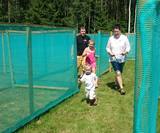 |
This labyrinth covers 3,300 m2. Visitors can make their way through the maze, trying to find the exit and handling clever tasks at some of the special twists and turns in the labyrinth. There is a playground for children, along with a workshop, a mud café and the “fir tree village.” |
|
 |
This cosy restaurant offers dishes made of Lithuanian ingredients. Enjoy a collection of ancient culinary tools and baking equipment. If you wish to bake your own traditional spit cake, you can take a class to learn how to do that. |
|
 |
This is one of the most beautiful gardens in Nīca, particularly featuring hostas and maple trees. There are more than 130 varieties of hostas, as well as 25 maple trees. The large pond features fish that can be fed, and visitors will enjoy the beauty of the garden. Guests will particularly enjoy the impressive homestead sign that was created after a long search. The garden has done will in beautiful garden competitions at the level of Nīca and the level of Latvia. |
|
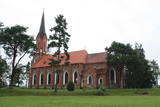 |
The Velēna Lutheran Church is at the crossing of the Smiltene-Gulbene-Lizums roads. It is said that the roof of the first wooden church at this location had a peat moss roof. The organ from the Sauer company still works, and it is one of the best organs in Latvia. The organist offers guided tours of the church. |
|
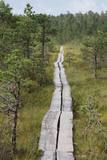 |
Ein 3,5 km langer Pfad quert den Viru Moos in Richtung Süd–Nord. Von einem Holzaussichtsturm eröffnet sich einen Blick auf eine typische Hochmoorlandschaft mit einigen Seen, Aushöhlungen und morastigen Stellen. |
|
 |
Pilsētā nebija lielu rūpniecības uzņēmumu, un tās iedzīvotāji
nodarbojās galvenokārt ar amatniecību, tirdzniecību un lauksaimniecību.
Ilūkste tika pilnībā nopostīta 1. pasaules kara laikā un smagi cieta arī
2. pasaules kara laikā. Šodien Ilūkste ir klusa pierobežas mazpilsēta, ko
ieskauj gleznains dabas apvidus. Apskates objekti: bijušā jezuītu klostera ēka
un Ilūkstes katoļu baznīca.
|
|
 |
Atrodas 0,9 km no Jaunpiebalgas muižas pils, Jaunpiebalgas centra virzienā. Redzot šo ēku, nav jāpārliecina, ka tā ir viena no garākajām Vidzemē. Tik gara, ka grūti pat „iedabūt kadrā”. |
|
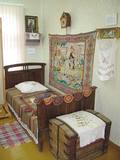 |
The History Museum of Malta. Exposition „History of Malta parish: from
Rozentova and Borovaja to Malta”. We offer household items, tools of trade,
works of art, collection of paper money and coins. Excursion outside the museum
„At the cross-roads of Malta”.
Working hours: Mon– Fri : 9.00 – 17.00, Sat., Sunday : closed |
|
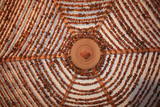 |
This is a unique opportunity to watch the work of various craftspeople (amber workers, jewellers, weavers, seamstresses, etc.) and purchase their masterful work. You will see the world’s longest amber necklace (123 m, 19 kg!!), which was made with bits of amber that were contributed by local residents. Creative workshops are organised for children. |
|
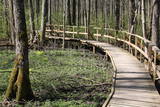 |
Uz pāļiem veidotā koku laipu taka līkumo cauri Vēršupītes dumbrājiem (pārmitri platlapju meži), tādēļ visiespaidīgākie skati šeit ir vērojami tieši pavasara palos vai citos gadalaikos pēc lielām lietavām, kad mazā upīte iziet no krastiem un appludina dumbrājus lielākā platībā. Par teritorijas sezonālu applūšanu liecina arī daudzo alkšņu resnie sakņu kakli, kas nevilšus atgādina mangrovju audzes. Mitrie meži ir viens no sugu skaita ziņā daudzveidīgākajiem Latvijas biotopiem.
|
|
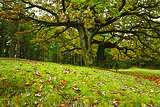 |
was first mentioned in written form in 1582. A census in 1736 found two farms, Lekši and Žonaki. A census in 1935 found that there were 106 people in Vaide, including 40 Livonians, 60 Latvians and a few Estonians and Germans. In 1939, there were 21 homesteads in the village. Nika Polmanis (1823-1903) was born at the Lāži homestead. He was the first educated Livonian and lived in the region for all his life. Livonian poet Alfons Bertholds (1910-1993) wrote a poem about a noble oak tree that grows alongside the homestead. The vast Berthold family is linked to Žonaki -- Livonian storyteller Marija Šaltjāre, yacht captain Andrejs Bertholds (USA), his son, library scholar Artūrs Benedikts Bertholds (USA), Livonian poet Alfons Bertholds, Livonian language specialists Paulīne Kļaviņa and Viktors Bertholds, Swiss doctor Marsels Bertholds, globally renowned pianist Arturs Ozoliņš (Canada), and Livonian language storyteller and poet Grizelda Kristiņa (1910-2013), who was the last native speaker of Livonian. The Ozolnieki homestead is also linked to the Bertholds family. Paulīne Kļaviņa (1918-2001), a specialist in the fields of Livonian traditions and language, and her mother, Livonian storyteller Katrīna Zēberga, both lived there. Paulīne collected ethnographic objects that can be seen at the Latvian Ethnographic Open Air Museum in the granary of the Livonian Dēliņi farm. The Purvziedi homestead in Vaide is owned by forest ranger Edgars Hausmanis, who has a collection of forest animal horns and antlers. |
|
 |
Ööbiku herb farm is located in an ecologically clean area and is engaged in the cultivation and further processing of herbs, berries and vegetables using organic methods. It also dries vegetables, fruits and berries. |
|
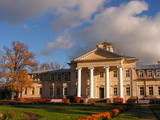 |
The Krimulda Estate was first recorded in documents in the 15th century. The Krimulda Castle that can be seen now is on the right bank of the ancient Gauja River valley opposite the aerial tram. There are outstanding views of the ancient river valley from the castle and the opposite shore. The Krimulda Castle is a Neo-Classical structure which was built by a local nobleman in the 19th century. In the 1920s, the castle was expropriated and turned over to the Latvian Red Cross, which installed a children's sanatorium there. Today the Krimulda rehabilitation hospital is in the building, and among other structures, the ones that have survived include the stables, threshing barn, servants' quarters, governor's quarters, and the so-called Swiss house. Educational tours are available, and overnight stays are possible at the estate. |
|
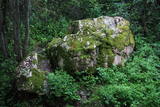 |
Līdz akmenim aizved (ir norādes) skaista taka, kas līkumo pa Rogāļu strauta izrauto gravu. Strauta kreisā krasta nogāzē, ~ 0,1 km pirms tā ietekas Daugavā, iegūlis 6,5 m garais, 4,6 m platais un līdz 3,7 m augstais Rogāļu akmens, kura tilpums ir novērtēts ap 40 m³. Blakus tam atrodas liela atlūza. |
|
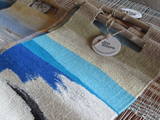 |
The artist’s workshop is in a lovely single family farm. She weaves tapestries, allows visitors to watch her at work, accepts commissions for tapestries, and sells finished ones. Many of her artworks are practical souvenirs or could be fine gifts for others. |
|
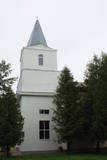 |
The first church was here in the early 18th century, followed by the second and third one (1847-1848), and then the one that is there now. The church was damaged during World War I and then during the Soviet era, when wool was stored there between 1969 and 1993. In the 1990s, the building was in terrible shape, but it is gradually recovering its appearance. Between 1826 and 1856, the sexton and organist at the church was the Latvian poet and translator Ansis Līventāls (1803-1878). His grave and monument are alongside the church. At the same place are the graves of German and Russian soldiers who died during World War I, as well as the grave monument of the pastor and writer Jacob Florentin Lundberg (1782-1858). |
|


