
| No | Name | Description |
|---|---|---|
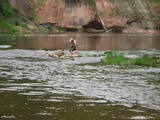 |
Ģeoloģiskā taka sastāv no trīs saistītiem posmiem: „Melturi – Kārļu zivjaudzētava”, „Kārļu zivjaudzētava – Zvārtes iezis” un "Zvārtes iezis - Veclauču tilts". Amatas senleja veidojusies vienlaikus ar Gaujas senleju leduslaikmeta beigu posmā un pēcleduslaikmetā, ledāja kušanas ūdeņiem plūstot uz Gaujas ieleju. Gaujas NP teritorijā Amatas senielejas dziļums sasniedz 50 metrus un platums palielinās līdz apmēram 1-1,5km.
Augstas kraujas (vairāk ne kā 40 metru), kurās redzami augšdevona Pļaviņu svītas dolomītu un augšdevona Amatas un Gaujas svītu smilšakmeņu atsegumi, mijas ar mežiem apaugušām, 3-16m augstām stāvām terasēm.
Amatas senieleja ir nozīmīga ne tikai ar savām dabas ainavām. Tās krastus grezno dolomīta un smilšakmens atsegumi, kas atklāj zemes vēstures lappuses 350-400 miljonu gadu tālā pagātnē, kad Latvijas teritoriju klāja jūra.
Velobraucieniem taka nav piemērota!
|
|
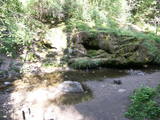 |
The Staburags cliff of Rauna has been Latvia’s most distinct travertine cliff since the great Staburags cliff of the Daugava River sank under the waves during the construction of a hydroelectric power plant nearby. The cliff is approximately 8,000 years old and is still being formed as lime settles on moss and other plants. The Staburags cliff of Rauna is cited as the only location in Latvia of the Alpine butterwort, but it has not been seen there for the last 15 years. That is probably because of the many people who tramp across the cliff each year. The streams which deliver lime to the cliff are a biotope that is of priority at the EU level.
|
|
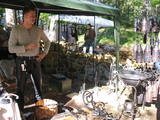 |
The workshop offers a look at lanterns, candelabras, hinges, fireplace tools, stair railings and gates that have been manufactured there, as well as several exhibits from the 18th century. You can produce your own nail, and the blacksmith will also “test” young couples. He also accepts orders for products. |
|
 |
Pļaviņās, pie Daugavas ielas, Daugavas krastā uz laukakmeņiem novietots plosta modelis ar stendu (2011. gads, biedrība „Kopsolis”), kur izlasāms stāsts ar plostnieka atmiņām un aplūkojamas vēsturiskās plostnieku fotogrāfijas. Daugavas posms starp Pļaviņām un Koknesi bija visgrūtāk pārvaramais plostnieku šķērslis ar krācēm un līdz 20 m augstiem, klinšainiem upes krastiem. |
|
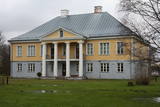 |
Muiža rakstos pirmoreiz minēta 17. gs. sākumā, taču klasicisma stilā celtās pils veidols tapis 1835. gadā. Penijē muižas būtisks likteņa pavērsiens (atšķirībā no daudzām citām muižām) bija apstāklis, ka tajā izveidoja Matsalu rezervāta (pirms nacionālā parka izveides) apmeklētāju centru. 2000. gadā muižas pili restaurēja un tajā ierīkoja nelielu ekspozīciju. Apmeklētāju centrs te pastāv joprojām, tādēļ šeit var iegūt nepieciešamo informāciju. No ārpuses var apskatīt arī citas muižas saimniecības ēkas. |
|
 |
This trail offers education about the forest for children of all ages, families with children, and friends of the environment. The trail is located in the Īle Parish of the Auce Administrative District, 2 km from the Pokaiņu forest. |
|
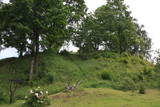 |
Atrodas 0,3 km ziemeļos no Vecpiebalgas pilsdrupām. Ap 10 m augsto, bet visnotaļ izteiksmīgo Grišku kalnu sauc arī par Piebalgas, Balgas un Veļķu pilskalnu. 13. gs. šeit bijusi svarīga apmetnes vieta ar mākslīgi nostāvinātām nogāzēm un dziļu aizsarggrāvi. Vēstures notikumi ir atstājuši ap metru biezu kultūrslāni. Bezlapu laikā no kalna paveras skats uz Vecpiebalgas baznīcu un pilsdrupu vietu. Pilskalna piekājē ir aka ar Griškavotu. |
|
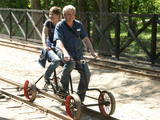 |
The museum was established in 1954 and features the traditions of Latvian and Livonian fishermen, sailors and farmers and their lives and residences. There are fishermen’s homesteads with net huts, smokehouses, granaries, etc. There is a collection of fishing boats and the largest assemblage of anchors in the Baltic States (more than 100 anchors, the heaviest one weighing 22 tonnes). The windmill was transported from the Užava Parish. The 19th century Smiltnieki home features authentic household objects. The newest thing at the museum is the Lielirbe Baptist Prayer House, which is nearly 100 years old. A narrow-gauge railroad runs down the 1.3 km Mountain line from May 1 to October 31 every year, and at its end is its turntable. The building of the museum was designed on the basis of the Mazirbe train station. The museum is in the Jūrmala park, with playgrounds for children and the Anchor trail. |
|
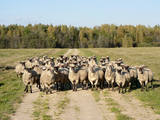 |
The farm, which has been developed around the servants’ home of the former Ķempēni Estate, breeds more than 200 Latvian dark-headed sheep. Visitors can purchase meat, wool and skins, also taking part in informational tours with tastings of various foods, as well as catching and tasting trout (this is available only to those who spend the night at the venue). |
|
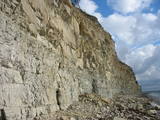 |
The highest and most beautiful wall of cliffs on Saaremaa Island (up to 21 m high), stretching along some 3 km. During strong winds from the W or NW, a part of the cliff is washed by the waves of the sea. The open face of the cliff has limestone, marls and dolomite, and there is a wealth of fossils at the base of the cliff – corals, stromatoporids, etc.
|
|
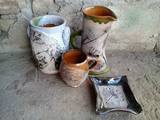 |
The ceramicist works in the household building of the Durbe Castle. You can watch her at work, try your hand at ceramics work, order artworks and purchase clay souvenirs. You can also tour the Durbe Castle complex, which is undergoing renovations at this time (2013). |
|
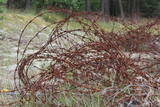 |
The former air defence missile base took up a large territory to the South of Pāvilosta in its day, but today that land has been abandoned and degraded. It can be dangerous for visitors.
|
|
 |
Silmači ir neliela ģimenes saimniecība, kur no pašu kazu piena top dažādi kazas piena sieri. Siera gatavošana apgūta pakāpeniski – apvienojot vietējās lauku sētas tradīcijas ar zināšanām un pieredzi, kas gūta, pētot un mācoties gan Latvijā, gan ārpus tās. SieriDažādi kazas piena sieri – no svaigiem un maigiem līdz izteiksmīgiem, kūpinātiem un ilgi nogatavinātiem cietajiem sieriem. Piedāvājumā ir gan klasiskie svaigie sieri, gan sieri ar garšaugiem, kā arī kūpināti sieri ar bagātīgu garšu. Kā top siersSiers top no kvalitatīva kazas piena, kas nāk gan no pašu ganāmpulka, gan no uzticama vietējā piena ražotāja. Kazas tiek audzētas lauku vidē un barotas ar dabīgu, pašu sagatavotu barību, kas tieši ietekmē piena garšu un kvalitāti. Siers tiek gatavots no svaiga piena, rūpīgi kontrolējot katru soli – no slaukšanas līdz nogatavināšanai. Katrs siers top ar rokām, ļaujot pienam saglabāt savu dabisko raksturu un pārtapt izteiksmīgā, niansētā garšā. Svaigie sieri tiek gatavoti pēc vienkāršām, paaudzēs mantotām metodēm, savukārt puscietie un cietie sieri top, iedvesmojoties no senām itāļu un pat Senās Romas laiku receptēm, piešķirot tiem savu raksturu un garšu. ApmeklētājiemIespējams iepazīt kazu saimniecību un siera tapšanas stāstu no pirmavota. Sezonā no aprīļa līdz oktobrim var piedalīties degustācijās, nogaršojot dažādus kazas piena sierus un citus saimniecībā radītos produktus. Apmeklētāji var satikt kaziņas un kazlēnus, uzzināt vairāk par to ikdienu, dzirdēt saimniecības stāstus un kuriozus, kā arī nesteidzīgi izbaudīt lauku vidi. Mazākajiem viesiem pieejams rotaļu laukums. Tiek piedāvātas arī meistarklases nelielām grupām – no kazas pupa līdz galdam, ļaujot izsekot visam siera, sviesta, biezpiena tapšanas ceļam. Kur iegādāties sierusSaimniecībā uz vietas. Piegāde maršrutā Gulbene–Sigulda–Rīga–Ādaži, kur produktus var saņemt, iepriekš pasūtot. Gulbenes Zaļajā tirdziņā un Slow Food Straupe tirdziņā. |
|
 3 days
|
This route invites you to visit the Kurzeme region and try the traditional dishes there. The tour starts from Riga and takes you to some beautiful nature areas for a walk that will serve as physical exercise to build up an appetite. You will feast on traditional smoked fish at Dieniņas Fishermen's Yard, take a masterclass in baking “sklandrausis”, a traditional carrot pie, visit fishing villages in Slītere National Park, and savour refined meals in Ventspils city pubs. Nice attractions en route are the steep coast of the Baltic Sea in Jūrkalne and the medieval town of Kuldīga. In a 19th century watermill, which nowadays is an organic farm, the hostess will give you a masterclass in cooking regional dishes from fallow deer, trout, vegetables and fruit. The last stop on the return back to Riga is the Chocolate Museum at Pūre. |
|
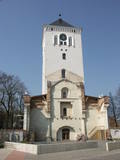 |
Work on a new church began in 1574 at the commission of Duke Gotthard Kettler of Courland and Zemgale. The steeple was installed between 1686 and 1688, and in 1862 its height was increased to 80.5 m. The church burned down because of Soviet bombardment on July 27, 1944, and in 1954 the Soviet military blew up its ruins. Reconstruction of the steeple began in 2009, and it now has an outstanding interactive museum that is particularly interesting for children, along with a glassed viewing platform. |
|
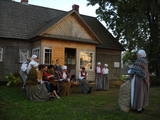 |
Latgalisko tradīciju un prasmju māja “Ambeļu skreine” ir latgalisko vērtību glabātāja un popularizētāja. Interesentiem tiek piedāvātas interaktīvas aktivitātes latgaliešu kultūras garā, dažādas meistarklases. “Ambeļu skreinē” tiek svinēti gadskārtu svētki un izkoptas dažādas amatu prasmes. Te notiek danču vakari, dziedāšana, zīlēšana, tiek cepta maizīte, siets siers un tiek veidotas tautas lietišķās mākslas izstādes. No mājas paveras brīnišķīgs skats uz Višķu ezeru un Latgales krāšņajām dabas ainavām. |
|
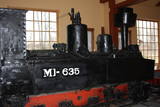 |
In 1916, during the German military occupation of Latvia, prisoners of war were put to work in installing narrow-gauge railroads via which the Germans exported Latvian timber. A narrow-gauge rail network was built through the forests and across the swamps of the Viesīte area. The track width was round 600 mm, and there was a total of 130 km of tracks to connect Viesīte (the central station) to Nereta, Aknīste, Jēkabpils and Daudzeva. The train was used after world War II to transport timber and passengers. The last trip along the line occurred on August 31, 1972.
You can tour the museum individually or with the assistance of a guide. You’ll see an Mi-635 locomotive, wagons for passengers and cargo, a platform to transport timber materials, and two trolleys.
|
|
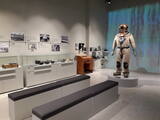 |
This exhibition features the Pļaviņas hydroelectric power plant as a unique architectural building with unique engineering elements. It is the largest producer of electricity in the Baltic States and one of the largest in
|
|
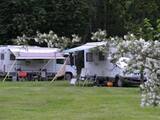 |
The "Jurmala" campsite is located in the park territory of the "Rīgas Līcis" sanatorium and offers facilitated tent, camper and caravan sites, as well as holiday homes for rent. The campsite is located next to the beach and is suitable for recreation with family and friends, as well as for organizing a variety of thematic and recreational events. The proximity to the "Dubulti" and "Jaundubulti" railway stations makes it easy to move around Jurmala or get to Riga. The campsite is also suitable for families with pets. |
|
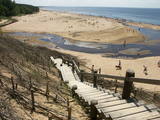 |
The White Dune is one of the landmarks of Saulkrasti, on the Vidzeme gulf coast. The dune offers a splendid view of the sea, the mouth of the Inčupe River and the vast beach. The White Dune formed as the wind drove beach sand over the clay silt of Baltic Ice Lake. Its white 18 meters high sand outcrop once helped local fishermen find their way home. The dune got its name from its white, hardened layers of sand which look like sandstone. |
|


