
| No | Name | Description |
|---|---|---|
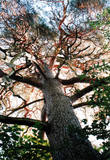 |
This is Latvia’s thickest common pine (Pinus slyvestris)
|
|
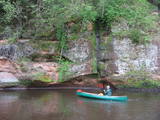 |
The Brasla River flows through a lovely valley that is approximately 300 m wide and up to 30 m deep. It is near the Inčukalns-Valka highway. The river has among the most beautiful rapids in the country, with mighty cliffs (the Brasla cliffs) that can be seen at nearly every curve in the river (except along the lowest reaches of the river). During the winter, various unusual frozen waterfalls can be seen in some of the cliffs, including the Krauļukalns cliff and the Jāņavārti cliff. On the left bank of the Brasla, opposite the Brasla fish farm, there are the Aņīte cliffs -- a series of sandstone cliffs that are 1 km long. The cliffs are between 2 and 35 m in height, and the sandstone cliffs are separated by ravines. On the right bank of the Brasla, there are major cliffs such as the Vāršavu cliff, the Kraukļukalns cliff, the Jāņavārti cliff, the Slūnu cliff, the Virtaka cliff and the Buļi cliff. How can you best learn about them? Boat down the river from the aforementioned highway or even from Straupe, which is further upstream. An alternative is hiking down the right bank of the river, though please take into account that the terrain is fairly extreme, and you are going to have to think about what to do when you arrive at the place where the Brasla River flows into the Gauja. |
|
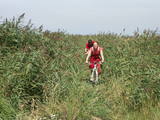 |
Lake Liepāja is shallow and eutrophic (around 40%), and it is one of the most important lakes on the shores of the Baltic Sea for nesting and migrating birds (resting and feeding place). More than 100 different species of birds have been spotted there. The lake is no less important for plants which flourish in salty biotopes. On the north-eastern shore of Lake Liepāja (Vītiņu meadow) there are flood-land plains which are the home to domestic animals which have been adapted to life in the wild. There is also a viewing tower, available upon request with the guide. The system of dams along the south-western part of the lake can be hiked or biked (extreme!) to find lots of interesting viewing areas and landscapes. In the surrounding of the lake there are ruins of unique former fortification systems. |
|
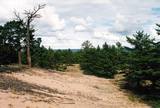 |
This is a forested island in the Bay of Finland which is the 6th largest Estonian island and is found 14 km to the N of Tallinn. Two decades ago it was a closed zone, because the Soviet Union had a highly secretive manufacturing plant for maritime mines here.
|
|
 |
This former training route runs through the shoreline forests from the northern part of Ventspils (there was once a tank division in Ziemeļu Street there) all the way to Ovīši. Today it is a wide, sandy and overgrown track.
|
|
 17 days
|
The route leads through the Gauja National Park which is located on both sides of the ancient Gauja river valley. Sandstone cliffs and caves, hilly landscapes and deep forests and castles are characteristic of the park. Further on at Igate Manor stop for a lunch at their mill tavern to taste traditional Latvian food. The route turns towards the coastwhich belongs to the North Vidzeme Biosphere Reserveand continues through old Estonian fishing villages before arriving at the seaside resort of Parnu with its elegant villas. Next is a guided wilderness day in Soomaa National Park trying old-fashioned bog-shoeing and canoeing. Further on the route you will pass Pootsi with a 19th century manor and the ancient village of Varbla. Take a ferry to Muhu island and stay in the ethnographic fishermen's village of Koguva for a couple of days to explore the area. Cycle across the causeway to Saaremaa island from where you can take a ferry to laid-back Hiumaa island for a day trip to get a feeling for the true spirit of Estonia. Back on Saaremaa there is time for a free day in its capital, Kuressaare with plenty of spa and relaxation facilities. Then by bus head to Tallinn, charming with its medieval Old Town. From there enjoy a day trip to the former military base of Naissaar island where special cycling routes showcase its military history, mine and nature reserves. |
|
|
|
Ap 400m garš un līdz 16m augusts atsegums upes kreisajā krastā.
|
|
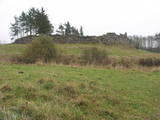 |
Atrodas Vecpiebalgas dienvidaustrumdaļā aiz baznīcas. 1340. - 1365. g. Rīgas arhibīskaps šeit uzcēla pili - cietoksni, ko apjoza aizsarggrāvji (atliekas redzamas arī mūsdienās). Pils ziemeļu pusē atradās priekštilta nocietinājumi, bet austrumdaļā - pils galvenā ieeja un tornis. Pili postīja 1577. g., bet pilnībā sagrāva 18. gs. |
|
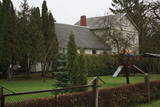 |
Atrodas Tirgoņu un Zāļu ielas krustojumā (Zāļu ielā 12). Interesanta ar faktu, ka šī ir vienīgā padomju laikā uzbūvētā (1948. g., pēc citiem avotiem – šajā gadā atjaunota) Latvijas baznīca. |
|
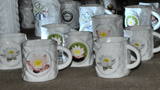 |
Since 2007, visitors have been able to tour a porcelain factory that offers an exhibition of porcelain products. You can buy souvenirs or commission special products. Children will love the porcelain painting studio that is in the mansion of the nearby Vecpiebalga Estate. |
|
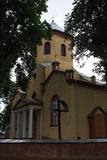 |
Atrodas Līvānu ziemeļdaļā, Baznīcas ielā 17. Dievnams uzbūvēts 1861. g. un paplašināts 1880. gadā. Pēc nopostīšanas 1. pasaules kara laikā to atjaunoja 1918. gadā. No interjera ievērības cienīgas ir ērģeles (uzstādītas 1936. g.), glezna „Svētais Jānis Kristītājs” (mākslinieks Šēnbergs) un 14 Krusta ceļa gleznas, kas ir vācu mākslinieka Fogela gleznu kopijas (19. gs. pirmā puse). Kopš 20. gadsimta sākuma bez izmaiņām ir saglabājies tikai Ostrabramas Dievmātes altāris ēkas labajā pusē. 2007. gadā nokrāsoja dievnama fasādi. Šo darbu laikā, no ēkas sienas izņēma nesprāgušu artilērijas lādiņu, kas bija iestrēdzis 1. pasaules kara laikā. |
|
 |
In the studio it is possible to buy or order different craftsmanship items, as well as to learn about craftsmanship process. The studio specializes in creating folk costumes, weaving and all sorts of handicrafts, creating jewellery, patchwork, sewing and silk painting. It is possible to see the crafts’ exhibition and buy souvenirs. |
|
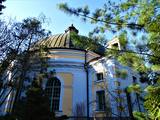 |
There are records to show that there has been a church at this location since the 17th century, and the current one was built between 1792 and 1794 by the chief construction specialist of the city of Rīga, Christopher Haberland. He designed the cupola-shaped building, with the cupola ensuring good acoustics inside the building. The altar is opposite the entrance door. Between the columns of the building is an altar painting showing Christ and St Peter on a storm-ravaged sea. Other important objects include chalices from the 18th or 19th century, candelabras, etc. The building was restored in 2014. To the South from it is the Katlakalns cemetery, which is the final resting place of the distinguished Baltic German writer Garlieb Merkel (1769-1850). He was of great importance in ensuring the end of indentured servitude in Latvia. |
|
 |
The "Pastnieka maja" restaurant is an old restored building in Old Liepāja. Legend has it that a postal carrier named Arvīds used to live there, and the building has been praised for its interior design. The menu offers an attractive look at the life of Arvīds, and it is up to you to believe or disbelieve those stories. Latvian cuisine: Cold soup, sorrel soup, oven-baked cod, catfish and plaice filet, grilled pork ribs, porridge with a bacon and onion sauce, potato pancakes, crepes, stacked rye bread. Special foods: Smoked cod with potatoes, onions and dill in a ceramic ramekin. |
|
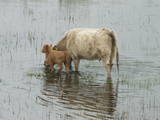 |
The shallow and mostly overgrown (65% of its surface) Lake Engure is one of those Latvian lakes which are most favoured by birds. It is a location which is governed by the Ramsar Convention on Wetlands, and 186 species of nesting birds have been identified there. The area is also distinguished by great botanical diversity (more than 800 kinds of plants). The coastline varies between sandy beaches and seashore meadows. There are forests, fishing villages and damp areas which ensure a great diversity in landscapes and species. The flood-land plains of the lake and the sea are grazing grounds for wild livestock – horses, blue cows, etc. Several bird-watching towers are open to visitors, as is the Orchid trail. The Centre for Ornithological Research is located on the eastern bank of Lake Engure. A unique floating house built by ornithologists is located on the lake. The territory is appropriate not just for holiday-makers, but also for hikers, bicyclists and bird-watchers. A leisure area and a small exhibition are located close to the ornithological research centre. |
|
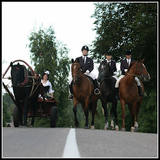 |
Kalnbundas offer possibilities for active rest – horse-back riding and horse riding. |
|
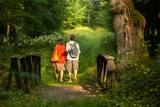 |
The Ungurmuiža park is well known for its outstanding and huge oak trees. Some of them are rotting or dead, and they are home to a great many species, including many that are found nowhere else in Europe. A pathway leads through these noble trees – 1.3km in length, with visitors spending as much as an hour there. The park also contains the only wooden castle from the early 18th century that has been preserved to the present day. There are other cultural and historical treasures, as well.
|
|
|
|
This is a lovely place in Sigulda which has been painted (as the word "gleznotāji", which means "painters" suggests) and photographed for centuries. This is basically not a hill at all, it's just the place where the shore of the ancient Gauja River valley is split by the mighty Vējupīte ravine. You will have an excellent view of the Turaida Castle and the river valley. There are leisure facilities and a viewing platform there. You can ride to Paradīze hill via an electric car. |
|
 6 days
|
Onions, fish, villages that stretch out for several kilometres where the buildings are lined along the main street, ornate Old Believers' churches, small harbours with fishing boats and wooden houses, each painted in a different colour! Cafés, shops and a view of Lake Peipus, which looks more like a sea than a lake. This could be the description of this tour. This tour is a very interesting part of the Forest Trail, which will give you an opportunity to see and enjoy the Lake Peipsi region, the culture and lifestyle of local people as well as the nature. The tour will start in Tartu – Estonia’s second biggest city. You will go by bus from Tartu to Varnja where you will start to hike. During the tour you can visit Kostja’s onion farm, where the host welcomes guests and presents onion cultivation. It is also worth visiting the Chicory Museum in Kolkja to get acquainted with the history of chicory cultivation in row villages near Lake Peipus. You will also see Alatskivi Castle. In Avinurme we suggest visiting the Avinurme wooden handicraft centre and get acquainted with the local woodcraft, spend quality time in woodworking workshops and taste or even prepare yourself a selection of Estonian traditional foods. At the end of the tour you will return to Tartu by bus. |
|
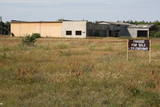 |
The job for the No. 15 Radio Technology Brigade at Saraiķi was to defend Soviet Latvia’s shoreline back in Soviet times. Today the facility is owned by the Defence Ministry, and the No. 17 Home Guard Battalion uses it for training purposes.
|
|


