
| No | Name | Description |
|---|---|---|
 1 day
|
Tūrisma gide Ineta Jansone piedāvā ekskursijas grupām gar Kaņiera ezeru, iepazīstinot ar putniem, kuri mīt tā tuvumā. Kaņiera ezers ir vieta, kur migrācijas laikā apmetas daudzi tūkstoši ūdensputnu. Ezerā un tā apkārtnē sastopamas vairāk nekā 200 putnu sugu. Putnu vērotāju ērtībām vienā no Kaņiera ezera pussalām uzcelts putnu vērošanas tornis. Netālu no putnu vērošanas torņa izveidota koka laipa uz pontoniem, kura stiepjas cauri niedrāju audzei. Kaņiera ezers izceļas ar lielu daudzums zivju – tajā konstatētas gandrīz 20 zivju sugu. Izsens zvejnieku ciems - Lapmežciems atrodas skaistā vietā uz šauras zemes strēles starp Kaņiera ezeru un Rīgas jūras līci. Lapmežciemā izveidots zvejnieku muzejs, kuru var apmeklēt ekskursijas laikā, kā arī nobaudīt svaigi kūpinātas zivis. |
|
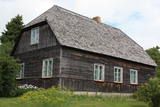 |
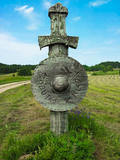
The museum was established in 1973 and has been in the Kalna Ziedi homestead since 1989. The permanent exhibition is in a building that was erected in 1989 on the foundations of the former home, while the warehouse (1990) was built on the foundations of a cattle shed. The exhibition hall (2000) was built where a granary once stood. The only part of the former farm that remains in place is the cellar, but the placement of the buildings is typical for the layout of a farm in Vidzeme. The collection of the museum speaks to the history of the administrative district, beginning with information about the Stone Age. The open-air exhibition features beehives with marks of belonging, as well as rare round crosses that are monuments to Medieval cemeteries. 100 metres to the Northeast from the museum is the Kalna Ziedi castle hill, while 200 metres to the south are the remains of a sacrificial oak stump that was destroyed in 1994. The location is on the edge of the reservoir of the Pļaviņas hydroelectric power plant and offers a broad view of the plant’s dam and the town of Pļaviņas.
|
|
 |
Embūtes dabas parks, saukts par Embūtes senleju, ir viena no skaistākajām, interesantākajām un noslēpumainākajām Kurzemes vietām. Nav Latvijā otras tādas vietas, kur ieejas vārtus dabas parka teritorijā simbolizē stilizēti zobeni ar vairogiem ceļa abās pusēs, radot mītisku un cienījamu noskaņu. Par Embūtes apkārtnes vēsturi stāsta daudzas teikas un leģendas. Viena no pazīstamākajām ir romantiskā teika par kuršu vadoņa Induļa un vācu komtura meitas Ārijas mīlestību. Vietā, kur viņi pirmoreiz tikušies joprojām atrodas Ārijas un Induļa ozoli. Embūtes dabā parkā ieteicams apskatīt - ekotūrisma taku, Embūtes viduslaiku pilsdrupas, Embūtes luterāņu baznīcas mūrus, Induļa pilskalnu, Pilskalna avotiņu, Induļa un Ārijas ozolu. Dabas parks aprīkots ar labiekārtotu pastaigu taku, skatu platformām, skatu torni, labierīcībām un atpūtas vietu. |
|
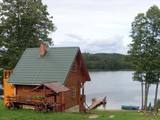 |
Lauku māja atrodas Alksnis ezera krastā Aukštaitijas nacionālajā parkā. Ezers ir savienots ar pārējiem ezeriem, kas iekļaujas šinī parkā. Šī vieta ļoti piemērota makšķerniekiem un tiem, kuriem patīk baudīt mieru. Plaša viesistaba ar kamīnu, 2 guļamistabas, atsevišķs pirts namiņš, vieta ugunskuram, laivas nomai. |
|
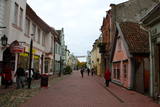 |
Most popular Estonian resort with wide range of leisures and SPA offers. One of the rare Estonian sandy beaches. The Old Town has the main walker street - Rüütli tee. |
|
 |
Taka ved cauri mežam uz skatu torni purva malā. Takā apskatāma Nāzara priede –priede, pie kuras 1905. gadā nošauts dumpinieks, pati priede – ekoloģiskais koks ar dzilnu kaltiem dobumiem, nokaltusi. Melnalkšņu dumbrājs - slīkšņa ar cūkaušiem un puplakšiem. Oleru purvs no skatu torņa – pārejas un sūnu purvs, kas izveidojies nolaista ezera vietā. Papildus objekti blakus takai, pieejami pa ceļu – Oleru muižas komplekss, Krustakmens, Oleru muižas kapi. Kopējais takas garums: 1,1 km. |
|
 |
The restaurant is in Bocmaņa Square in the centre of Salacgrīva and on the banks of the Salaca River. The well-known “Pie Bocmaņa” saloon has been redesigned and features the topic of Baron Munchhausen. Latvian cuisine: Herring salad, herring with cottage cheese, fish soup, breast of pork with onions, grey peas with bacon, fried livers, baked plaice, baked filet of pike-perch, stacked rye bread. |
|
 |
This restricted area is on the eastern shore of Lake Ķīšezers, and of the greatest importance here are the habitats – flood-land and other meadows, dunes, the aquatorium of Lake Ķīšezers, the shoreline, forests of oak, black alder and other trees, and many huge oak trees in the restricted area and beyond its borders. The Bulduri castle hill, which is the most distinct ancient castle hill in Rīga, is on the southern end of the Lieupsala peninsula. On the border of the restricted area is an affiliate of the Latvian Open-Air Ethnographic Museum, which is known as “Vārnas”.
|
|
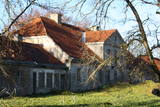 |
Matsalu muiža pirmoreiz vēsturiskajos avotos ir minēta 1560. g., kad tā ietilpa Lihulas bīskapijas sastāvā. Tagad redzamās ēkas ir celtas laikā no 18. gs. otrās puses līdz 20. gs. sākumam. Pagājušā gadsimta sešdesmitajos gados te plānoja izveidot Matsalu rezervāta centru, taču „veiksmīgā loze” tika netālu esošajai Penijē muižai (sk. iepriekš). Mūsdienās muižas pils, citas ēkas un parks (tajā dīķis ar salu) atrodas kritiskā stāvoklī. Taču kā nozīmīgu vēstures liecinieku arī šo muižu var iekļaut apskatāmo objektu sarakstā. Muižas komplekss atrodas pa ceļam uz Kēmu (Keemu) putnu vērošanas torni. |
|
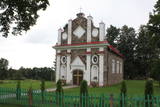 |
Meklējama Gosporos, starp Rīgas – Daugavpils šoseju (A 6) un Daugavu. Apjomā nelielais dievnams būvēts 1820. gadā romāņu stilā no laukakmeņiem senas kapsētas vietā. Tuvāk Daugavai ir izveidota aka, no kuras iztek Svētavots, kam piedēvē dziednieciskas īpašības. Pie baznīcas novietots dobumakmens. |
|
 |
Krustceļi Old-Believers Prayer House was built in 1939.
|
|
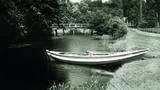 |
The River Ķīšupe (length – 31 km) begins its journey in the marshlands of Lēdurga Parish. As the river reaches the seashore, its bed and the location of its mouth often changes. One of the tributaries of the Ķīšupe carries a rather interesting name – Pupaļurga. The name of the River Ķīšupe probably comes from the name of a man and his house. In the 17th century a man named Ķīsis (in English: ruffe) used to live by the river. |
|
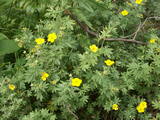 |
This is a swamp into which sulphurous waters flow, and it is on the left bank of the Abava River valley. This is the only place in Latvia where the protected shrubby cinquefoil is found in the wild. This bush covers approximately one-fifth of the restricted territory. It also includes forests, various kinds of meadows and sulphurous streams, including the one which is known as the Devil’s Eye. |
|
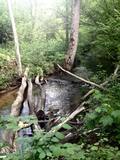 |
1.2 km long, the trail passes through a unique terrain of hillocks and forests, with the height of the valley rising to as much as 15 metres. Visitors will find a diversity of plant life, as well as the beautiful little Kauliņupīte River, which crosses the rail at two points. The health trail was established in the late 1990s. |
|
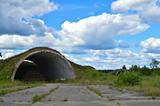 |
During Soviet times, Vaiņode was the site of one of the Soviet Union’s largest military airfields in the Baltic States. During the period of Latvia’s independence, the country’s first dirigibles were based here. Eventually their hangars were dismantled and brought to Rīga, where they were used for the Rīga Central Market. They are still there today. Some of Latvia’s first gliders took off from Vaiņode. During the Soviet occupation, the airfield was home to an air defence and destroyer squadron, with 38 SU-27 “Flanker” destroyers on site. After the restoration of Latvia’s independence, the Vaiņode airfield was dismantled in part, and the big plates of concrete that covered the runways and the rest of the airfield were used to improve the Liepāja port. There are still 16 hangars at the airport, and 1,800 of the formerly 2,500 metres long runway are also still there. More information about the airfield can be found at the Vaiņode Regional Research Museum.
|
|
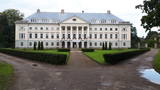 |
Work on the park began in end of 18th century, when it was a landscape park with trails for strolling and a system of pathways, benches and bridges. The 196-ha park is one of the largest estate parks in Latvia, and in dendrological terms it is one of the richest ones, with more than 200 varieties of trees and bushes, including 127 foreign ones. The park encircles the village of Kazdanga, including the Kazdanga Castle and the territory to its north, where you will find the burying grounds of the Manteuffel family. These were established at the very beginning of the 20th century, but the work was interrupted by World War I. The park features leisure areas and decorative elements. The castle was built around 1800 by the European-level architect Johann Gregor Berlitz after a design by architect Giacomo Quarenghi. The ensemble included a Cavalier House, a granary, a residential home, a stable, a bridge across the valley and other structures. An agricultural school was opened in the castle in 1924. Today it is the Kazdanga Museum, with the local Tourism Information Centre.. |
|
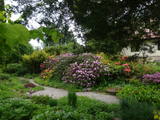 |
This guesthouse and dendrological garden are found near Kuldīga, and its pond has trout and carps. The Sauleskalni arboretum is alongside the guesthouse. It was established in 1960 and features some 100 types of plants and bushes, including 25 local types and 16 types of rhododendrons. Unique samples include a 50-year-old magnolia tree, a 45-year-old smoke tree, a maidenhair tree, and others. Donations are accepted. The owners will discuss history and the gardeners who created the garden. Various plants are available. |
|
 |
Plavinas and Stukmani region was inhabited already in the third century. During the Polish-Swedish War (1600-1629) at estuary of Aivekste in the Daugava River the Swedish war camp was formed, from which are preserved fortifications - bastions. They are one of the most impressive military formations of this kind in Latvia. Plavinas as a larger populated area started to develop in the nineties of the 19th century and in the beginning of 20th century after the construction of railway. Today Plavinas are more commonly known with dolomite production sites and spring flood area. |
|
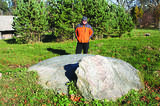 |
The surface of the rock once contained
text about the destruction of local Livs by Swedish King Charles IX and by the Black
Plague (the rock is on a spot where victims of the plague were buried, and the text
has been erased over the course of time). The smallest rock on the top, which also
used to have an inscription, has been brought here from the Pakalni homestead.
|
|
 |
The craftswomen produce clay dishes, vases, candlesticks, chandeliers, garden ceramics and small objects. Clay dishes with wooden handles are interesting. The women will offer you a tour of their workshop, a chance to see them at work or to try out your own skills at the potter’s wheel, as well as to purchase objects which have already been manufactured. |
|


