
| Nr | Nosaukums | Apraksts |
|---|---|---|
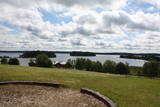 |
1991. gadā dibinātais Žemaitijas Nacionālais parks (Žemaitijos Nacionalinis parkas) atrodas Žemaitijas augstienes ziemeļrietumu daļā. Tā reljefu ir veidojis ledājs pirms aptuveni 12 000 gadu. Parks veidots ezeru, upju, mitrāju un mežu ekosistēmu, kā arī žemaišu kultūrvides aizsardzībai. Parkā atrodas Žemaitijas vēsturiskā novada lielākais ezers – Plateļu (Platelių), kas ir izraibināts ar pussalām, līčiem un salām. Ezeri kopumā aizņem ap 7 % no parka teritorijas, bet meži – aptuveni 45 %. Vecu priežu un egļu meži, kā arī jauktie meži ir viena no parka nozīmīgākajām dabas vērtībām. Vairākās vietās Nacionālajā parkā ir sastopami mitrāji, kas ir svarīga dzīves vide retām un aizsargājamām augu un dzīvnieku sugām. Kopumā nacionālajā parkā ir konstatēta 1031 augu suga un ap 2500 dzīvnieku, t.sk. bezmugurkaulnieku sugas. Plateļu (Platelių) ezera piekraste ir populāra atpūtas vieta, īpaši vasaras laikā. Parka teritorijā atrodas daudzi populāri tūrisma objekti, izveidoti kājāmgājēju un velomaršruti. Populārākie kultūras pasākumi ir Meteņu (Užgavėnės) un saulgriežu svinēšana, kā arī reliģiskie svētki, kas notiek Žemaišu Kalvarija (Žemaičių Kalvarija) ciemā. Apmeklētāju centrs atrodas Plateļu pilsētas centrā. |
|
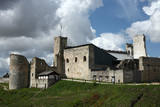 |
Pils apmeklētāji varēs iegremdēties 16. gadsimta tematiskā parka gaisotnē un jauki pavadīt dienu kopā ar ģimeni, uz laiku iejusties bruņinieku un karavīru lomā. Piedāvājumā ir arī izjādes, šaušana ar loku un arbaletu, varēs izmēģināt roku kalēju un namdaru darbos, zelta un šaujampulvera taisīšanā, monētu kalšanā. Atvērts vīna pagrabs, moku kambaris, nāves istaba, viduslaiku bordelis, bārddziņa un alķīmiķa darba istaba, astronoma darba telpa. Turpat Šenkenberga krogā var nobaudīt pēc viduslaiku receptēm gatavotus ēdienus. |
|
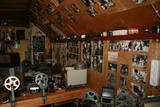 |
Meklējama Bukupes (Saldus novads, Zirņu pagasts) Ziķos. Apskatāma Ziķu māju saimnieka – Andra Bušinska savāktā kino un foto lietu kolekcija ar senajām filmu rādīšanas iekārtām un priekšmetiem, kas demonstrē fotografēšanas un filmēšanas procesu. Ekspozīcija izvietota saimnieka celtajā bišu šūnas formas guļbūvē. Iepriekšēja pieteikšanās! |
|
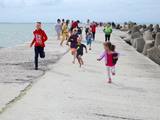 |
Liepājas Ziemeļu mols, kas atrodas Karostā, ir ne tikai lieliska pastaigu, bet arī jūras vērošanas vieta. Dienvidos no tā paveras labs skats uz Liepājas brīvostu, to ieskaujošo molu sistēmu, austrumos – unikālo Karostu, bet ziemeļos – uz fortu paliekām jūrā. Lieliska Baltijas jūras vētru vērošanas (uzmanīgi, ievērojot drošību! Mola virsma stipri cietusi!) vieta.
|
|
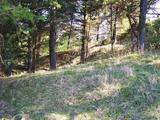 |
Micānu - Kirkas kalns. Mazā pils Priežukalnā (Kirkas kalnā) 1792. gadā
tika pārveidota par luterāņu baznīcu. Tādēļ šo kalnu arī šodien sauc
par Kirkas kalnu (tulkojumā no vācu valodas – Baznīcas kalns). Vecie
ļaudis ir stāstījuši, ka zem baznīcas esot izbūvēts liels pagrabs, kurā
glabājušās baznīcas un Manteifeļu dzimtas dārglietas, kā arī pagrabā
atrodas Manteifeļu dzimtas kapenes.
|
|
 |
Jau no 1820. gada cilvēki ir brūvējuši igauņu alu, izmanotojot vietējās izejvielas, kā ūdeni, rauhu un citus. Nosaukums - Saku Alus Darītava - ir nācis no iepriekšējās darītavas, kas darbojās līdz 1992. gadam. Šeit atrodas arī muzejs, kur var apskatīt, kā alus ceļš ir mainījies cauri gadiem. ir iespējams arī degustēt tikko brūvētu alu. Nepilngadīgajiem piedalīšanās tūrē ir aizliegta. |
|
 1 day
|
Ekskursijas laikā apmeklējiet dabas taku, kurā ir iespēja iepazīt Amatas novada dabas objektus gar Kumadas upes, Dančupītes un Amatas upes krastu. Pēc tam apmeklējiet Cēsu pils kompleksu. Viduslaiku pils sniedz iespēju iejusties 800 gadus tālā pagātnē, uzkāpt ar sveču lukturīšiem Rietumu tornī, nokāpt cietumā, kā arī redzēt, kā kalējs darina latgaļu rotas. Blakus esošā Jaunā pils ir 18. gs. celta pilsmuižas kunga māja, kurā tagad atrodas Cēsu Vēsture un Mākslas muzejs. Ekskursijas noslēgumā dodieties uz lauku māju Smiltenes novadā, lai iepazītu maizes cepšanu pēc sentēvu tradīcijām, kā arī pašiem izveidot savu maizes kukulīti. |
|
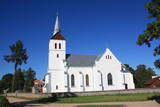 |
On sunny days, this white church absolutely sparkles. It is in the southern section of the village and can be seen from a great distance. Jesuits built the first wooden church at this location in 1759 in honour of St Peter and St Paul. The church that is there today was built nearly a century-and-a-half later, in 1893. The interior can be visited during worship services. Interred in the yard of the church is the Lithuanian pastor and wood carver Antons Rimovičs (1865-1933). The congregation building is opposite the church. |
|
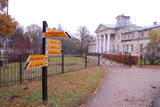 |
The Lutheran Church of Krimulda is considered one of the oldest churches in Latvia. It was originally built in the 13th century, soon after the conquest of Kubesele and later rebuilt many times. Near the church a meditation labyrinth "Lily Flower" is set up. When Liv chief Kaupo fell during the battle at Viljandi in 1217, according to the legend, the ash was buried at the church. A small hill adjacent to Runtinupite (Runtins) is popularly known as a grave site of Kaupo, at its right bank is located ~7 m long, artificially dug Kubesele or Runtin cave. On the left bank of Runtinupite columns the Kubesele hill fort. Kubesele nature trail starts at the church. This trail leads to the Gauja River, where the Great (Runtina) stone lies. Here can be seen anchor pads installed by Gauja raftsmen. Krimulda medieval castle (4 km east of Krimulda Church) was built the second half of the 13th century in the place where the right bank of Gauja valley is split by deep ravine of Vikmeste. Castle (residence of Riga dome capitol - Riga's Archbishop Council) was an imposing building, whose big inner yard was included by 1.5 m thick defensive wall. In 1601, while retreating, Swedish military leader Heinrich Lieven blasted Krimulda castle. Now at the hill fort, grown with the forest a small castle ruins can be seen. Nearby is located air cableway and starts Krimulda mountain road. Located nearby Krimulda manor was first mentioned in writings in the 15th century. Present manor castle was built in the 19th century in neoclassical style (owner - First Lieven). During the twenties of the 20th century, the castle after its alienation became a property of the Latvian Red Cross, which established here children's sanatorium. Nowadays the castle houses rehabilitation hospital "Krimulda", but from the farm buildings, manor stables, barn, servant, manager houses and the so-called Swiss Cottage and Park have been preserved. Thematic tours are offered here. If we go down the Gauja by boat, then we will be able to take a close look at about 15 m high Velnalas cliffs. They can be well seen also from the opposite - left bank of Gauja (resting place is established). In the middle of the cliff about 19 m deep and 4.7 m high Krimulda Velnala cave is located. If we go from the Velnala cave cliffs along the lower part of the right bank of Gauja in Turaida direction, you will see Pikenes cliff, rich with sandstone outcrops. At its foot ~ 1 km long Pikenes beaver trail is established. The Little Devil's Cave (5 m long) is on the side of the trail, with the Gudribas (Wisdom) spring that springs out of the cave, as well as Aunapieres cave which is the same length as Devils cave. Small oxbow lakes also can be seen. |
|
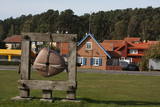 |
Old fishermen village, which was first mentioned in 1429. Before WW2 Juodkrante was popular resort in Europe and it still has its traditions nowadays. Village has an unique scenery with its wooden houses, promenade, Lutheran Church (1885), Lithuania's Art Museum Hall and much more. |
|
 |
The only island in Lake Ciecere has a more or less virgin forest of oak, linden and elm. Some of the oaks are huge. This is an important habitat for woodpecker-type birds. The island has not been improved. |
|
 |
Latviskais pirts rituāls ozola ieskautā lauku pirtiņā. Pirts procedūrās tiek izmantoti dabīgi un pašgatavoti materiāli (augu un zaru slotiņas, skrubīši, lāvas paklājiņi, tējas u.tml.), skaņu instrumenti (sajūtu bunga, zvanga, lietus koki, zvaniņi u.c.), klūgu slotiņas, latviešu tautas dziesmas, labi un stipri vārdi. |
|
 |
In the Alatskivi historical ice cellar wine, herbal teas, various snacks, spicy vinegars and jams are made from fruits of local meadows and forests. In the cosy boutique you can taste and buy wines, teas and other local food souvenirs. If the group is bigger or you want to visit us outside of working hours, it is desirable to notify us about your arrival in advance. |
|
 |
In Kännu Alpaca Farm you can see Peruvian alpacas, mammals with beautiful, soft coat which they are known for. While in this farm you can feed alpacas with food provided by the owners and pet them. You can also see goats, sheeps, rabbits and chickens. In the farm shop you can buy souvenirs and also products that are made of alpaca wool. Kännu Alpaca Farm is also suitable for family visits. |
|
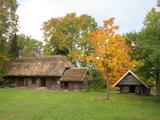 |
This farm is where the Latvian author Rūdolfs Blaumanis (1863-1908), founder of modern dramaturgy in Latvia, lived and worked. The farm has been restored, and it is a typical leased farm in Vidzeme with eight wooden buildings. Educational events and tours are available, featuring family celebrations, the mischief of little imps, and farm work. You can taste Latvian porridge, pancakes, tea, and wine “from the sweet bottle.” |
|
 |
Apmeklētāju centrā var iegūt noderīgu informāciju un iepazīt ekspozīciju par Karulas augstienes veidošanās vēsturi, ezeru iemītniekiem un šejienes novada kultūrvēsturiskajām tradīcijām. Apmeklētāju grupas semināru zālē var noskatīties izzinošu prezentāciju. |
|
 |
On the left bank of the ancient Gauja River valley, between the Paparžu ravine and the ravine along which the Sigulda-Turaida road passes through the valley there are the ruins of a castle built by the Order of the Brethren of the Sword. Construction on the castle began in 1207, and three decades later, in 1236, the castle was rebuilt for the needs of the Livonian Order. The Sigulda Castle suffered much damage during wars in the late 16th and early 17th century. During the Great Northern War, it was burned down and never restored. What is there today is the south-western segment of the castle's convent building, as well as the tower of the main gate. Beyond that is the internal forecastle, where there is an open-air stage for the annual Sigulda Opera Music Festival and other public events. There are also impressive views of the ancient Gauja River valley, Krimulda and Turaida. Reconstruction of the ruins is currently ongoing, and after the work is completed a second tower on the left side of the stage will be available to visitors. The plan is to install crossings around the walls of the convent building. Presently the ruins are available on a 24/7 basis and free of charge, but after the restorations are completed in 2012, admission will be charged. |
|
 |
Meklējams Ostas ielas promenādes malā, 100 m ziemeļaustrumos no Ventspils Livonijas ordeņa pils. Veltīts jaunlatviešu kustības aizsācējam, publicistam un politiķim, kā arī pirmās Latvijas jūrskolas dibinātājam. Uz soliņa sēdošais Krišjānis ar savu skatu „pavada” katru ostā ienākošo izejošo kuģi. |
|
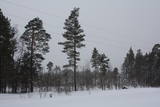 |
Between Saunags and Vaide on the road to Kolka, you will see an area on the left (South) side of the road where there was a massive forest fire in 1992 which burned approximately 3,300 hectares of forest. Biologists use the area to study the regeneration of the forest. There were extensive and destructive fires here during the early 20th century, as well. Swedish scientists say that there have been at least 15 fires in the forests of Šlītere over the last several centuries. The burned area is in a nature reserve and can only be viewed from the road. |
|
 |
The Jēkabpils Museum of History offers an educational programme, “The Story of Cheese,” which provides information about the ancient history of cheese, interesting aspects of cheese making and the cheese-related traditions of the former owners of the Krustpils castle, the von Korf dynasty of noblemen. Tours are available for groups of 10 or more people. |
|


