
| Nr | Nosaukums | Apraksts |
|---|---|---|
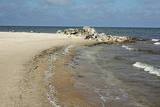 |
Kolkasraga galā ir redzamas viļņu noskalotās
vecās, 16. gs. celtās un vairākkārt pārbūvētās bākas drupas, kas pēc katras
lielākas vētras un aukstas ziemas (ledi!) paliek aizvien mazākas. Drupas
kādreiz atradušās krietnu gabalu sauszemē, tagad tās pamazām pazūd
zem ūdens.
|
|
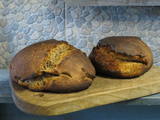 |
Saimniece ar malku kurinātā klona krāsnī cep īstu Latvijas lauku rudzu maizi. Rudzu saldsskābā maize tiek cepta pēc dzimtas īpašumā esošas senas receptes, no īstiem rudziem, kuri tiek izaudzēti pašu saimniecībā, ar bioloģisko saimniekošanu. Mīklu gatavo no rudzu vai kviešu miltiem, sāls, cukura, ķimenēm un dabīga ierauga. Apmeklētāji var vērot un piedalīties maizes cepšanā, degustēt un iegādāties to, kā arī apskatīt muzeju. |
|
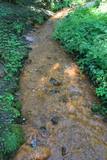 |
Atrodas 1,3 km ziemeļrietumos no Aknīstes centra, nelielā Dienvidsusējas sānu gravā. Šis avots kā veselības avots pazīstams jau kopš seniem laikiem. Stāsta, ka šādu avotu, kas izplūst uz austrumiem, ūdens ir dziedinošs. Īpaši Lieldienu rītā, ja tajā mazgā acis. Avota ūdeņi satur dzelzs savienojumus, par ko liecina brūnās nogulsnes (dzelzs baktēriju darbības rezultāts). Blakus avotam ir akmens ar nelielu iedobumu, domājams – sens kultakmens. Savukārt, gravas malā aug svētliepa. Saltupju svētavotu var pamatoti uzskatīt par vienu no izcilākajiem Latvijas avotiem. Saltupju Svētavots ir ūdeņiem tik bagāts, ka izveido nelielu upīti – Saltupi, kas pēc aptuveni simts metriem ietek Dienvidsusējas upē, avots uzskatāms par vienu no garākajiem pazemes avotiem Latvijā. Tas ir vietējās nozīmes aizsargājamais kultūras piemineklis. |
|
 |
Dziedinošie Dārzi ir daļa no 125 ha lielās bioloģiskās saimniecības Upmaļi. Šeit jau ceturtajā paaudzē saimnieko Bergmaņu ģimene. Patreizējie saimnieki Māra un Dainis Bergmaņi, kopā ar ģimeni, cenšas saglabāt senās, vēl 30. gados stādītās retās augļu koku un krūmu šķirnes vecajā dārza daļā. Līdzās senajiem kokiem šeit izveidoti arī īpašu dziedinošo koku, retu augļu koku ( plūškoki, valrieksti, ēdamās kastaņas, zīdkoki, u.c) un ārstniecības augu dārzi vairāk kā 12 ha platībā. Saimnieku teju 30 gadus ilgā pieredze dabas dziedniecībā, arī Ajūrvēdas tradīcijās, ir ļāvusi izveidot oriģinālus AnnA Bergmans zīmola produktus- augu ziedes, balzāmus un krēmus, zāļu tējas, eļļas u.c. Aizraujošā un darbīgā ekskursijā skaistajos dārzos un Zāļu namā, kopā ar zāļu sievu Māru, ikvienam viesim ir iespēja gan atpūsties, gan, ļoti iespējams, izprast – kurš no Dabas brīnumiem var mani darīt veselāku un laimīgāku. |
|
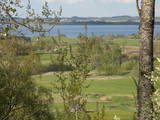 |
Viens no populārākajiem Latgales tūrisma objektiem. No lielpaugura plakanās virsotnes (247 m vjl, ap 60 m virs tuvākā apkārtnes) paveras viena no skaistākajām Latgales ainavām un redzams 2 km attālais Rāznas ezers. Mākoņkalnā atradās 13. gs. celtā un praktiski neieņemamā Livonijas ordeņa Volkenbergas pils, - viens no pirmajiem Latgales nocietinājumiem, no kuras līdz mūsdienām saglabājušies tikai pils mūra fragmenti. Mākoņkalna pakājē atklāta piemiņas plāksne, kas vēsta par Latvijas pirmās brīvvalsts prezidenta Kārļa Ulmaņa Latgales apmeklējumu 1938. gadā. |
|
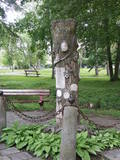 |
Kādreizējā Ķemeru
simbola augšanas vieta.
|
|
 |
Krodziņš "Dzirnakmeņi" atrodas Ieriķu centrā pie Ieriķupītes, kur izveidota dabas taka ūdenskritumu un dzirnavu apskatei. Pašcepti konditorijas izstrādājumi. Latviešu virtuve: Valmieras salāti, aukstā zupa, pupiņu zupa, cūkgaļas šķēle, cepta menca, kupāti, rupjmaizes kārtojums. Īpašais ēdiens: „Ieriķu salāti” – tomāti, žāvēta gaļa, šampinjoni. |
|
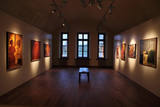 |
The Daugavpils Mark Rothko Art Centre is a multi-functional institution of culture, arts and education, located inside of the fortress' Arsenal building. It is a unique place in the Eastern Europe, where are located the original paintings of Mark Rothko – a great artist of the XX cent., a founder of the abstract expressionism movement, best known for his enigmatic color field paintings. |
|
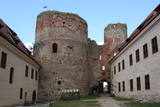 |
Bauska's name in historical sources for the first time is mentioned in 1443. This is the time when on the peninsula between Musa and Memel confluence construction of last Livonian Order castle on the present-day territory of Latvia was begun. At the castle – in Ķirbaksalā populated area so-called Vairogmiests developed. During the 17th century rapid boom of the town was observed. Here were working goldsmiths, silversmiths, carpenters, potters, shoemakers and other craftsmen. In later centuries the city suffered from wars, plague and Napoleon army. Today Bauska old town with reconstructed City Hall and the restored Bauska Castle is one of the most interesting Latvian historical town centres. Bauska is known for its annual events - Ancient Music Festival, Bauska town festival, country music festivals, and other events. |
|
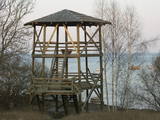 |
This tower is on the shores of the ancient Litorine Sea, with a lovely view of the unique seashore here – complete with small bays and capes. It is part of the Kaltene nature trail, which is around one kilometre long. The location is of particular interest during spring or autumn migration of birds. Two other bird-watching platforms are nearby.
|
|
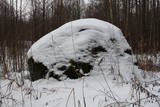 |
The historic stone, on which there is carved over 200 years old boundary-mark, sets the border between the Duchy of Courland and the Russian province. Nowadays, it sets the Babīte and Jelgava district boundary. The stone lies to the East of Kalnciems–Peat road (the south of the swamp Labais purvs) at the edge of a forest firebreak and it can be hard to find. To this end, the description of the road map may help: around 400 m south of the car parking lot at Lily Lake from Kalnciems-Peat road to the right (in the east) turns a forest road which leads down from hills Krāču kalni. It should be around 170 m to go until it abruptly turns to the right (to the southeast). Then you must go in this direction until after ~ 0.5 km to turn to the northeast where after further ~ 0.4 km of the current forest road intersection turn to the north. After ~ 0.4 km turn right (to the east) on a big firebreak, on the left (the north) side of which behind the drainage ditch during the non-leaf period there can be seen a rounded stone. Due to the poor condition of roads, the stone can be reached only on foot. |
|
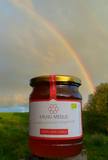 |
Possibly the highest bee apiary in the Baltics, about 300 m above sea level. Organic beekeeping products are harvested in Gaiziņkalns and its surrounding area. We offer excursions in the farm, bee apiary workshops, tasting of beekeeping products. |
|
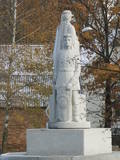 |
Dobele name in historical sources for the first time is mentioned in1254. Dobele was one of the most fortified Semigallian places; therefore from 1279 until 1289 it survived six attacks by German crusaders. In 1289 Semigallians was forced to retreat. In 1335 conquerors instead of Semigallian castle began construction of new - stone castle. On the opposite shore of Berze - on the left bank merchants and craftsmen village began to form. Town suffered greatly during the Northern War and during the subsequent plague. A significant event in the economic life was the 1927, when Liepaja-Gludas railway line was built. After World War II in Dobele and its vicinity came to the Soviet militaries, who built one of the largest Soviet tanks range "Dobele-2". Now Dobele travellers are offered a range of interesting sites to be visited. |
|
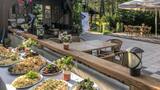 |
The “Banquet With Fishermen” event in Roja allows guests to examine the work of fishermen and to enjoy the seafood which they produce. Guests will ride out into the sea in fishing boats and then dine together with the fishermen (fish soup cooked on a campfire, rye bread, butter, smoked fish, beer or kvass, and pastries). The fishermen will teach guests local songs and dances, as well as games related to strength and cleverness. The “Otra Puse” restaurant offers meals. Latvian cuisine: Fresh fish (“The Morning Catch”), Latvian onion soup, porridge, grit sausage, smoked fish, potato pancakes, rye bread dessert, beer, the “Dzimtenīte” beverage, herbal tea, birch juice, apple cider. Special foods: “Made in Roja” – fish from the region, “mackerel in in grass,” “cottage cheese tower with fresh strawberry sauce”. |
|
 |
Liepene, in the Ventspils District, was once home to a coast guard division. The facilities are now privately owned and offer accommodations to tourists.
|
|
 |
Just 20 minutes’ drive from Pärnu, in the old Tõstamaa forestry building, Amps & Lonks café offers travellers a little rest and pizza made from fresh local produce. Especially popular, is the pizza with home-reared beef and fresh salad. You can also order in advance. |
|
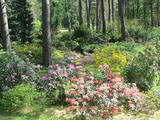 |
This arboretum was established in 1996, when dendrologists Raimonds Cinovskis and Ināra Bondare joined with the local government in Rucava in experimenting with plants on the Rucava castle hill. The first plants were planted in 1998, and ever since then the collection has been expanded in the town centre and outside the Rucava Elementary School. Each year new and exotic plants are brought in from all around the world. A traditional garden festival is held each year in May, when rhododendrons and magnolias are in full bloom. |
|
 |
The café is in the basement of the Līgatne Cultural Centre. There is a summer terrace alongside the Līgatne River. Latvian cuisine: Herring, cold soup, sausages, pork haché, hunter’s sausages, pork ribs, pancakes with cottage cheese, potato pancakes. Special foods: The “Pie Jančuka” pork chop. |
|
 1 day
|
Dodieties ekskursijā, lai gūtu ieskatu lauku profesijā un dzīvesveidā, kā arī iegūtu jaunus iespaidus un labu atpūtu visai klasei. Ekskursijas laikā apmeklējiet podnieku, kurš skolēniem māca, kā praktiski darboties ar rokām, kā no māla izveidot skaistu darbus ar saviem parakstiem un zīmējumiem. Pēc tam apmeklējiet maiznīcu, kur saimniece piedāvā maizes degustāciju un picu cepšanu. Ekskursijas noslēgumā dodieties uz agro saimniecību, lai redzētu, kā siltumnīcās tiek audzēti tomāti, izmantojot mūsdienīgas fotosintēzes tehnoloģijas. |
|
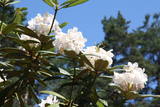 |
72 types of wild rhododendrons with 193 different species
This is the only specialised rhododendron nursery in the Baltic States. Specialists there work on different kinds of rhododendrons, seeking to produce decorative and winter-resistant types of the flower. The nursery also sells plants. In the facility’s pine forest, which covers 11.8 hectares, you can see a large collection of rhododendrons from all over the world.
There are 64 winter-resistant types of rhododendrons at “Babīte,” including “Alma Mater,” “Academia Scientiarum,” “Emeritus,” “Eduards Smiļģis,” “Dita Krenberga,” and others (these were developed by Rihards Kondratovičs). All of these are appropriate for Northern Europe.
|
|


