
| No | Name | Description |
|---|---|---|
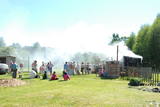 |
Visitors can help to smoke fish, including plaice, bream and garfish, taste the resulting food and listen to stories about seashore fishing traditions. The homestead also features some 20 type of shoreline fencing that are typical of the so-called Liv Shore. |
|
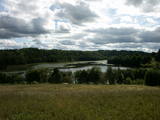 |
Ilziņš jeb Vestienas dzirnavezers pazīstams ar nostāstiem par tajā "periodiski uzpeldošām kūdras salām". Saskaņā ar vietējo iedzīvotāju sniegtajām ziņām, minētā parādība gan sen jau vairs nav novērota. Tajā pat laikā ezers un tā apkārtne ir nozīmīga daudzu aizsargājamu biotopu un sugu dzīves vieta. Ezers ietilpst Vestienas aizsargājamo ainavu apvidū. Ezeru var redzēt, braucot pa Ērgļu - Gaiziņkalna ceļu. Var pakāpties arī blakus esošajā paugurā (ziemeļos no minētā ceļa un ezera), no kura paveras plašāka skatu perspektīva.
|
|
 |
Located on the bank of the Gauja River in the northern part of Līgatne is the only functioning crossing point on the Gauja River and the only one in the Baltic States which is powered by the river itself. This is a public transportation resource of local importance. |
|
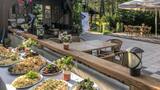 |
The “Banquet With Fishermen” event in Roja allows guests to examine the work of fishermen and to enjoy the seafood which they produce. Guests will ride out into the sea in fishing boats and then dine together with the fishermen (fish soup cooked on a campfire, rye bread, butter, smoked fish, beer or kvass, and pastries). The fishermen will teach guests local songs and dances, as well as games related to strength and cleverness. The “Otra Puse” restaurant offers meals. Latvian cuisine: Fresh fish (“The Morning Catch”), Latvian onion soup, porridge, grit sausage, smoked fish, potato pancakes, rye bread dessert, beer, the “Dzimtenīte” beverage, herbal tea, birch juice, apple cider. Special foods: “Made in Roja” – fish from the region, “mackerel in in grass,” “cottage cheese tower with fresh strawberry sauce”. |
|
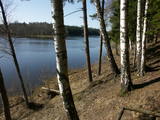 |
Lake Valgums is 3 km long and 27 m
deep, and it dates back to the last Ice Age.
|
|
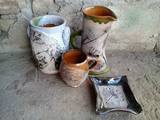 |
The ceramicist works in the household building of the Durbe Castle. You can watch her at work, try your hand at ceramics work, order artworks and purchase clay souvenirs. You can also tour the Durbe Castle complex, which is undergoing renovations at this time (2013). |
|
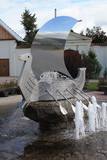 |
Arī 18. novembra laukums. Tas sācis veidoties 18. gadsimtā kā tirgus laukums. Tā dominantes bija 1752. g. celtais rātsnams (nav saglabājies) un aptieka, kas šajā ēkā darbojas no 1810. g. līdz pat mūsdienām. 2010. gadā laukumā izveidota strūklaka, kam ir pilsētas ģerboņa forma. |
|
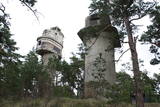 |
This battery is easiest to find if you walk on the beach, because one of its four positions is right there, rinsed by the waves of the sea. Other positions, including a telescope tower, are in the pine forest not far from the coast. The battery was installed in the 1940s, and you can see the Northern Forts from here.
|
|
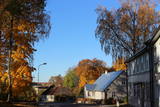 |
Durbe is the smallest town in Latvia with a distinguished history, as well as the smallest city in the country in terms of population (some 500 residents). Durbe was first mentioned in a Courlandian document. In 1260, there was a legendary battle at Durbe between the joint forces of the Livonian Order and the German Order and local tribes, including Courlandians who left the German forces to join the tribes. One of Latvia's first professional gardeners, Sīmanis Klevers (1834-1922) lived and worked in Durbe, and it is thanks to him that the local gardens feature many rare types of apple trees. The herald of Durbe, which was approved in 1925 features a silver apple tree. Several local farms have fruit orchards, and there are many active gardeners. An apple festival is held each September in Durbe. |
|
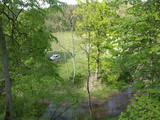 |
The viewing area is near the top of the Vilce castle hill, with a view of the Rukūze River valley, Zaķi meadow, and surrounding forests. This is an unusual landscape for the region of Zemgale. The Vilce baronial estate is nearby.
|
|
 1 day
|
Route meanders between a rocky seacoast richly overgrown with reeds and other grasses on one side and wooded seaside dunes on the other side. In some places, the beach is paved with small round stones, in other places you can see grey dunes with a rich variety of plants. Near Bērzciems village, there are large coastal meadows with shoals appearing far away in the sea that are suited for birdwatching. During this route, it is possible to visit the fishermen’s homestead “Dieniņas”, where you can buy local smoked fish. Also it is worth to see Engure port and Engure Evangelical Lutheran Church. |
|
 |
Saimniecība ir neliela un atrodas laukos, klusā vietā. Līdz ar to pilnīgi dabiski tiek nodrošināta mierīga un relaksējoša saskarsme un darbs ar zirgiem. Piedāvā izjādes ar diviem zirgiem, organizējam sacensības pajūgu braukšanā. Vasaras periodā nodrošina zirgiem pansiju. Atrodas tikai 4,5 km no valsts nozīmes A9 ceļa Rīga- Liepāja un 16 km attālumā no Rīgas Zoodārza filiāles „Cīruļi”. Vasarā ir ugunskura vieta, nakšņošanas iespējas teltīs. |
|
 |
This trail offers education about the forest for children of all ages, families with children, and friends of the environment. The trail is located in the Īle Parish of the Auce Administrative District, 2 km from the Pokaiņu forest. |
|
 |
Atrodas Skuķu ezera ziemeļaustrumu krastā. No torņa labi saskatāms aizaugušais Skuķu ezers ar nelielām ūdens lāmām un ūdeņiem bagātos pavasaros pārplūstošā Dvietes paliene. Laba putnu vērošanas vieta. |
|
 7 days
|
This long tour of Latvia includes some of the best and most beautiful parts of Jūrtaka in Latvia. Hikes along the sea alternate with trips and excursions in the cities. You will go along the coast of the Baltic Sea from Mazirbe to Kolka, seeing Slītere National Park and Livonian villages. You will see Engure Nature Park and the overgrown seaside meadows that are suitable for bird watching. Along the way, you will be able to purchase smoked fish from local fishermen and learn about fishing traditions in Latvia. Further, the route will take you through the most popular seaside resort in Latvia, Jūrmala; you will also have time to visit the capital city - Rīga. The second part of the route runs along the Vidzeme coast from Saulkrasti to Svētciems. In terms of landscapes and views, the most multifaceted section of the Baltic Coastal Hiking Route in Latvia, which includes both sandy and rocky beach, coastal meadows, reeds, dunes, sandstone outcrops, forests, capes and small coves, fishing villages and pubs. |
|
 10 days
|
During this trip you will visit the workshops of craftspeople, farms that breed horses, as well as various destinations where you can enjoy country goodies. Ancient skills are now a modern application. First you will stop in Ikšķile, and at the very beginning of the trip, you will visit a cellar that stores birch juice wine and taste sparkling wine. In Skrīveri, you will be surprised by the transformation of milk. A cosy café on the main street of the small town offers outstanding homemade ice cream featuring strawberry, anchovy and horseradish flavours. In Koknese, you can supplement your wardrobe with a new leather belt, bag or stylish leather jewellery. A farm that grows hemp will offer a small tour, as well as hemp delicacies. The work of black ceramics masters in Latgale fits into modern interiors. The Aglona Bread Museum offers a chance for visitors to bake their own loaf of bread. The visit to the next farm will allow you to add tasty cheese that has been made from milk from Latvian brown cows. The last stop in Latvia will be Daugavpils, which features an art centre featuring the work of the globally known abstractionist Mark Rothko, as well as the Daugavpils fortress, that was built in the 19th century and is an impressive military building. This is one of the most popular tourist destinations. From there you will travel to Lithuania, where you will visit several traditional farms. The Ilzenbergo Dvaras estate has a bio-dynamic farm. You will taste Lithuania's national sweets which are called šakotis. You will visit the town of Anykščiai, which offers a hike along a trail that is above the trees. A horse museum offers a look at old farm equipment. Next you will visit farms that will inform you about traditional Lithuanian cuisine and the work of potters. The Dubingiu horse farm offers horseback rides. At the conclusion of the tour you will visit the unique Trakai lake castle (14th and 15th century), as well as Vilnius. |
|
 |
The saloon is on the edge of the Murjāņi-Valka road (A3) and is easily recognised because of the building and various fairy tale characters in the yard. Latvian cuisine: Cold soups (beet, bean, sauerkraut, sorrel), roast leg of pork, blood sausage, pork ribs, berry dessert with toasted oats, stacked rye bread. Special foods: “Fiery Soup of the Ragana Kitchen”. |
|
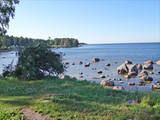 |
In 1804 Käsmu founded the first Estonian naval school and from 1798 – 1920 built more than 40 ships. Now there is a museum about seafaring. |
|
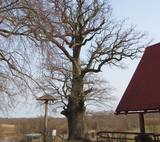 |
Turbu dižozols aug Mazās Juglas stāvkrastā, atpūtas kompleksa Turbas teritorijā. Dižozols ir aptuveni 800 gadu vecs, tā apkārtmērs ir 7,1 m, augstums - 27 m, vainags 18x16 m. Dižozols ir ļoti labā stāvoklī. Zaļo viss vainags. Ozolā ligzdo pūce, kā arī iecienījuši daudzi citi putni. Zinātāji runā, ka Ozols ir ar spēcīgu dziedniecisku enerģiju. |
|
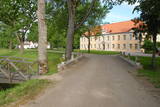 |
The estate of 12 buildings and a park has survived almost completely to this very day. The main building of the estate was erected on a largish oval island in the 1840s, and it has a moat all around it. This was meant to resemble fortified Medieval castles. The mansion is currently home to the local parish government, library and post office. Visitors can take a tour of the estate and its surroundings. There are stories about the estate to say that the baron had a beautiful daughter who, like the Rose of Turaida, refused to obey her father's instructions. Go to Veselava, and you'll hear the whole story! |
|


