
| No | Name | Description |
|---|---|---|
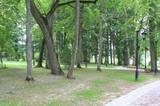 |
This is a natural monument of protected dendrological plants. The park is in the Upmala Parish, covers 2.7 ha, has been protected since 2001 and is managed by the Vārkava Administrative District Council. Judging from the oldest oak trees (approximately 200 years old), the park was established in the early 19th century, with other plants from the latter part of the century. Local species of trees, including maples, elms, fir trees, aspens, oak trees, willow trees, linden trees and hazelnut trees grow in the park, as do more than 10 exotic types of trees and bushes, including various types of maple, aspen, willow, lilac and linden trees. |
|
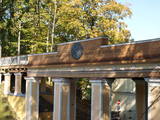 |
Vom 19. Jh. ist der Domberg ein offentlicher Park mit Pfaden, Gehwegen, Brücken (Engelsbrücke, Teufelsbrücke) und den Denkmälern für die Wissenschaftler der Tartu Universität. Hier befinden sich die Domkirche, das Anatomicum, das Observatorium u.a. interessante Objekte. |
|
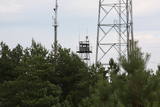 |
The military communications facilities at Pāvilosta are along the southern part of the town. The facilities are owned by the local government, and there is no information about their use at this time.
|
|
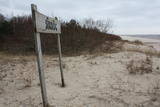 |
This is one of the oldest Livonian villages, recorded in documents for the first time in 1387. The old road from the Dundaga Estate to Sīkrags existed in the Middle Ages. During the 17th century, Sīkrags was one of the most important small ports in Northern Kurzeme, receiving ships from England, Holland and Lubeck that carried coal, grain and other products. Before World War I, there were five sprat smokehouses in the village, and some 55 fishermen lived there during the 1920s and 1930s. Among those to have been born in Sīkrags was the Livonian cultural activist Hilda Grīva (Cerbaha, 1910-1984), seafaring captain Kārlis Anbanks (1884-1937), Baptist preacher Kārlis Lāceklis (1904-1970), linguist and tradition specialist Pēteris Dambergs (1909-1987), and graphic artist Baiba Damberga (b 1957). Today the village is a cultural monument of national importance. It is crossed by a bike route, with a commemorative stone where the narrow-gauge railroad station once stood. Sīkrags, like neighbouring villages, is in the Slītere National Park. |
|
 4 days
|
Participants in this tour will learn about Latvia’s most modern crop farms that are typical in Zemgale. During the first day, participants will meet with specialists from the Latvian Agriculture Ministry and agricultural NGOs. They will also tour Rīga, which is part of the UNESCO List of World Heritage, and the Rīga Central Market, which is one of the largest closed markets of its type in Europe. Participants will visit a health food store and have dinner to enjoy traditional Latvian foods and beers. The next day we will go to Jelgava, where the 18th-century castle of the Duchy of Courland and Zemgale will host a meeting with faculty members from the Latvian Agricultural University, which is housed in the palace. We will visit a biologic bakery, as well as a farm that engages in crop farming, livestock breeding and manufacturing of biogas. An artificial wetland is used to purify runoff water. Dinner will be served at a modern leisure complex. On the third day, we will visit one of the largest multi-sectoral farms in Zemgale. It specialises in plant farming, livestock breeding, horse breeding, biogas manufacturing and beer brewing. During the afternoon, we will visit the largest and technologically most modern grain farm in the region, after which we will tour the most outstanding castle in the Baltic States – the Rundāle Castle. Built as a summer residence for Duke Ernst Johann Bieron, the castle was designed by the distinguished Italian architect Francesco Bartolomeo Rastrelli. Dinner will be served at a venue that has an historical windmill and an exhibition related to grain farming. On the morning of the fourth day, we will visit a farm that grows grains for seed, and then a biological farm that produces wheat, barley, peas, beans, rapeseed, herbs and herbal teas. Lunch will be served at a farm that will offer dishes made of home-grown grains and rough-milled flour. Then we will return to Rīga. |
|
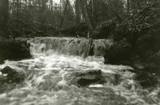 |
Here we find a set of canyon-type gullies among layers of dolomite. There are impressive outcrops and small waterfalls in the little river’s bed.
|
|
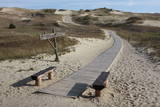 |
Die Dünen nördlich Pervalka über dem ehemaligen Dorf Negeln. Eine 9 km lange Strecke mit den wüstenartigen Landschaften. Stegpfade. |
|
 |
Aktīvā atpūta svaigā gaisā, dabā. Dabas taka, atpūtas vieta, grilla vietas, lapenes. Lāzera cīņas jeb Laser tag ir spēle svaigā gaisā, ģimenes vai draugu kompānijā. Iegūsiet pozitīvas emocijas un kārtīgu adrenalīna devu, spēlējot augsti tehnoloģisko spēli reālā laikā un vietā. Lāzera cīņas ir visiem labi zināmā peintbola analogs, bet atšķirīgs ar to, ka Laser taga spēlē spēlētājus-pretiniekus “neitralizē” ar drošiem un nekaitīgiem lāzera šāvieniem no lāzera-ieroča, bet pati spēlētāja “neitralizācija” notiek, kad speciāli devēji (sensori), kuri ir nostiprināti uz spēlētāja apsaites, reģistrē pretinieka lāzera-ieroča staru, kas nozīmē, ka nav ne krāsu bumbiņu, ne sāpīgi sitieni, ne zilumi. Šī koncepcija padara Laser tagu pieejamu ne tikai vīriešiem, bet arī sievietēm un bērniem. |
|
 |
The Vilciņi farm is one of the largest and most modern agricultural manufacturing companies in Zemgale, always using environmentally friendly methods. The farm is in the Krimūni Parish in the heart of the historical region of Zemgale. It was established in 1991 by the parents of the current owner, Arnis Burmistrs. Today the farm specialises in grain farming on ~2,200 ha of land. The farm uses precise agricultural methods to save money and preserve the environment and human health. It is actively involved in EU-financed projects, has a modern set of agricultural equipment, and has installed a local meteorological facility. Tours are available. |
|
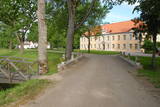 |
The estate of 12 buildings and a park has survived almost completely to this very day. The main building of the estate was erected on a largish oval island in the 1840s, and it has a moat all around it. This was meant to resemble fortified Medieval castles. The mansion is currently home to the local parish government, library and post office. Visitors can take a tour of the estate and its surroundings. There are stories about the estate to say that the baron had a beautiful daughter who, like the Rose of Turaida, refused to obey her father's instructions. Go to Veselava, and you'll hear the whole story! |
|
 |
The Peipsi barge is a type of sailing ship specially adapted to Lake Peipsi and Emajõgi River conditions, and originates from the 14th C. Jõmmu was the first barge launched in 2006 following a 50-year gap. The Emajõgi River Barge Association runs varied trips on the Emajõgi River and Lake Peipsi. Little fans of barges can learn about old crafts and shipbuilding at the barge yard. |
|
 |
Plašajā piedzīvojumu un atpūtas parkā ir iespējams piedalīties elpu aizraujošās aktivitātēs. Piedzīvojumu parkā "Supervāvere" visiem aktīvās atpūtas cienītājiem ir iespēja izmēģināt vairāk kā 60 atrakcijas: augstu un zemu kokos izvietoti dažādi virvju ceļi, pārejas un šķēršļi, kā arī ierīkoti nobraucieni pa trosēm. Laižoties pa garākajiem šāda veida nobraucieniem Latvijā gar ausīm svilpo vejš un acīm paveras lielisks skats uz Gaujas senlejas koku galotnēm. Tāpat ir iespējams doties Gaujas upē - ar plostiem, raftiem, kanoe vai piepūšamajām laivām. Gaujas krastā atrodas arī Ozolkalna kempings ar 6 mājīgiem mazajiem namiņiem. Katrā ir divas istabas ar kopīgu sanitāro mezglu. Namiņos iespējams izguldīt 4 – 5 personas. Tie ir apsildāmi, visas gultas ir saklātas, katram viesim ir dvieļu komplekts, iespēja uzvārīt tēju namiņā, pieejams grils, koplietošanas virtuve, bezmaksas WiFi. Ozolkalns arī piedāvā vietu pasākumiem kempinga teritorijā un kopā ar sadarbības partneriem palīdzēs noorganizēt uzņēmuma āra pasākumus.
|
|
 |
The saloon is in the most popular pedestrian thoroughfare in Jūrmala. The wooden building is typical of the town, has a nice interior and offers Latvian cuisine. The saloon offers the largest selection of Latvian draft beers. Latvian cuisine: Lamprey chops, pike haché, potted lamb a la Courland, sautéed pork ribs, fried Baltic plaice, bread soup. |
|
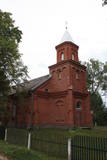 |
Atrodas iepretim bākai. Saukta arī par Pizes (Miķeļtorņa lībiskais nosaukums) baznīcu. To uzcēla 1893. g. Padomju laikā ēkā bija izvietots pionieru nometnes klubs. Tagad tā atkal kalpo savam pamatmērķim. |
|
 |
The restaurant is alongside the Villa Elizabete guesthouse with a summer terrace and a fireplace room and library where diners can enjoy their meals when it is cold outside. Latvian cuisine: Marinated Baltic herring with cottage cheese, cream of mushroom soup, grilled pork chop, veal steak, grilled tench. Special foods: Captain Grant’s cheesecake. |
|
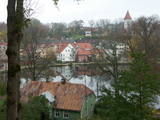 |
The town of Talsi is known as the “town of the nine hillocks,” and it is worth touring the location on foot. You’ll find the best views from the Talsi castle hill (views of Lake Talsi and Ķēniņkalns Hill), Sauleskalns (Lake Talsi, the castle hill, Ķēniņkalns Hill), and the hiking trails of Ķēniņkalns (Lake Talsi, the castle hill, the historical town centre).
|
|
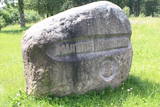 |
The office of photographer Mārtiņš Buclers was recently found at the Sauka Unity House where the Sauka trade school was located. In 2010, the exhibition was moved to the Sauka Parish Council in Lone. Mārtiņš Buclers (1866-1944) was a founding father of photography in Latvia. He established the first company in the country which produced photo film and paper. The exhibits are of particular interest now that we are in the digital photo era. The Sauka Unity House is closed and can only be viewed from the outside, but alongside it is a memorial stone dedicated to Buclers, as well as a monument commemorating the 150th anniversary of photography. |
|
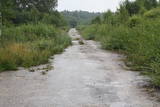 |
One of the largest tank bases in the Baltic War District was located during Soviet times just South of Gardene. The territory has largely been abandoned, and there are just a few remnants of the buildings that were once there. If you drive down the Dobele-Annenieki road, you will find a paved military road splitting off from it. It is still used today. The buildings and urban planning of Gardene are also of interest – during the Soviet era, soldiers and their families lived there.
|
|
 |
This is one of two sanatoriums in Jūrmala where mud from the surrounding area is used for medical procedures. The Jūrmala Spa Museum of History was opened here in 2009, and it offers interesting information about the history of the spa and the sanatorium. You will see historical photographs and medical equipment from the 1970s and 1980s. Guides will tell you all kinds of interesting information. |
|
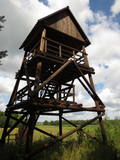 |
Atrodas Skuķu ezera dienvidrietumu krastā. Sasniedzams no Putnu salas, ejot cauri dzīvei savvaļā pielāgoto mājlopu aplokiem un taku. No torņa labi pārskatāma Dvietes paliene (ūdeņainos pavasaros pārplūst) un aizaugušais Skuķu ezers. Laba putnu vērošanas vieta. Putnu salas Atālu mājās – vietējais gids. |
|


