
| No | Name | Description |
|---|---|---|
 |
The Iesalnieki-1 farm is in the Vietalva Parish in the Pļaviņas Administrative District. It grows rapeseed, barley, wheat and grasses on 180 ha of land. The farm is run by two brothers who manage more than 800 ha of land in all. |
|
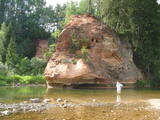 |
This is one of the most beautiful and popular tourism locations in Vidzeme. The cliff is 45 metres high, and the height of the lovely open-faced portion is around 20 metres high. You can look at the wide and deep Amata River valley and its forested banks.
|
|
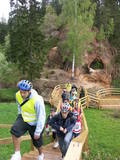 |
In the centre of Līgatne, on the right bank on the rapid Līgatne River, there is a viewing plan which offers a close-up look at one of the most impressive sandstone cliffs which rise above it – the Lustūzis cliff. There are artificial caves in the wall of the cliff, which locals use as cellars and as places to store their property.
|
|
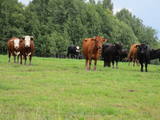 |
The farm breeds breeding cows (Galloway, Hereford, Limousine, Charolais and Latvian brown species). You can take an informational tour and watch the feeding of calves. |
|
 |
Atpūtas centrā tiek piedāvāta iespēja atpūsties brīvā dabā kolektīviem vai individuāliem apmeklētājiem. Iespējams izmēģināt dažādus metamos ieročus (nažus, cirvjus u.c.), kā arī šaušanu ar dažāda veida lokiem, arbaletiem, pneimatiku u.c. |
|
 |
The saloon is on the seashore with a lovely view of the beach at Saulkrasti. Here different water sports and entertainment activities are organised. Latvian cuisine: Cold soup, baked filet of cod, homemade steak haché, roast pork, pancakes with cottage cheese, caramelised oatmeal. |
|
 |
Burtnieku muižas parks, kas atradās kungu ēkas priekšā, ir valsts nozīmes dabas aizsardzības objekts, tika izveidots ap 19.gs. 60. gadiem 10 ha platībā. Iespēja doties ekskursijā pa Burtnieku muižas parku mazākā vai lielākā grupā. Ekskursijas laikā gida pavadībā iespējams iepazīt teikām un nostāstiem bagāto parku, apskatīt teiksmaino Burtnieku ezeru, kā arī baudīt nesteidzīgu pastaigu svaigā gaisā. Papildus tiek piedāvāta iespēja iegādāties oriģinālus Burtnieku suvenīrus, kuros dažādi meistari ielikuši ne vien savu talantīgo roku darbu, bet arī Burtnieku stāstu. Lai diena būtu piepildīta, gids ieteiks, ja nepieciešams, koordinēs un dosies līdzi apskatīt arī citus dabas un vēstures objektus tuvākajā apkārtnē. |
|
 |
These are hillocks at the northern end of the Vidzeme highlands, and this is an important location for boreal (Northern) forests and swamps. Various kinds of swamps are found here, and the area is home to a variety of protected invertebrates.
|
|
 |
The bakery offers more than 50 different types of bread products. The “Arona” rye bread has been awarded the “Zaļā karotīte” certificate of conformity. Products awarded with the “Bordo karotīte” certificate: Rye bread, Sweet and sour bread, Latgale tin loaf, Scored white bread, Hearth rye bread, Cesvaine hearth bread, Madona sweet and sour bread, Biržu sweet and sour bread. Several medals were received at the Riga Food exhibition. |
|
 |
The open kitchen of the restaurant allows the guests to experience an exciting performance by its chefs, who cook various fish and meat dishes on a fiery charcoal grill. Chef: Lauris Aleksejevs. Three-time consecutive winner of the Best Restaurant in Jūrmala title. |
|
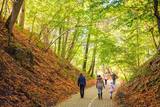 |
Šis ir viens no retajiem ceļiem, kurš saglabājies kā notikumu liecinieks. Ceļš ved no Krimuldas uz Siguldu. Jau vācbaltu apgaismotāja novadpētnieka – mākslinieka Johana Kristofa Broces 1794. gada zīmējumā "Siguldas un Krimuldas pilsdrupas" redzams lauku ceļš gar Krimuldas pili, pa kuru iet zemnieks un darba ratus velk zirgs. Lai braukšana pa Gaujas senlejas nogāzi ar zirga pajūgu būtu droša, ceļu izveidoja līkloča formā, tā uzbrauktuvi padarot daudz lēzenāku. Domājams, ka ceļš atjaunots 19 gs., kad Krievijas cars Aleksandrs otrais un viņa sieva ieradušies uz vizīti siguldā. Pāri ceļam bijuši vairāki mazi tiltiņi, ko iedzīvotāji dēvējuši par velna tiltiem. Tagad serpentīna ceļš kļuvis par romantisku pastaigu vietu. |
|
 |
Lielā dziesmu vieta "Dzintari" ir ievērojama ar to, ka tieši tur 1866. gadā norisinājās pirmie latviešu skolēnu koru svētki. Lai iezīmētu šo vietu, 2015. gada vasarā Madonas novada, Praulienas pagasta, Šūpuļkalnā (Madona – Varakļāni ceļa malā) tika uzstādīts Ivara Mailīša veidotais vides objekts “Latvija skan”. Šajā vietā atrodas arī māja, kurā dzīvojis ievērojamais koru virsdiriģents Haralds Mednis (1906-2000). Lai saglabātu mākslinieka piemiņu, 2016. gadā durvis vēra Haralda Medņa 20. gs. 30. gados uzceltā māja “Dzintari”. Tajā apskatāma izstādes par virsdiriģentu Haraldu Medni un Pirmajiem latviešu skolēnu koru svētkiem. Vietai dots skanīgs nosaukums – Lielā dziesmu vieta “Dzintari”. |
|
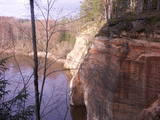 |
The viewing area on the Ērgļi (Ērģeles) cliffs offers an impressive view of Latvia’s most monolith sandstone cliffs (up to 22 metres high) – this is the highest location in the Gauja River valley. Please be very careful and don’t go anywhere near the edge of the cliff!
|
|
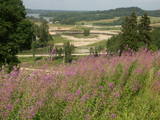 |
Latvia’s highest hill is the second highest in the Baltic States, but alas, it has only a wrecked viewing tower, so you’ll have to look for the best views on your own. You’ll find some around the tower and the ski trails, particularly Large and Small Golgotha. It is worth hiking the Gaiziņkalns nature trail.
|
|
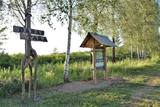 |
Kokneses dabas taka (5,65 km) ved gar Daugavas un Pērses krastiem un savieno Kokneses parku un Likteņdārzu. Pastaigā pa dabas taku var doties no jebkuras sevis izvēlētas vietas, kas vijas cauri Kokneses parkam. Takā izveidotas laipas, tiltiņi, informācijas stendi un norādes. |
|
 3 days
|
On this tour, you will see the most beautiful places and towns in the Vidzeme region and Gauja National Park such as Sigulda with the River Gauja valley, the medieval old town of Cēsis, and Valmiera. You will feast on the Miller’s Lunch, visiting a working windmill, explore a herb and vegetable garden by a medieval castle, taste hemp butter, and Valmiermuiža local brewery beer. You will taste the “green cheese”, a sparkling birch sap drink, and can buy delicacies made from locally grown garlic. |
|
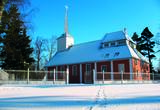 |
Roman Catholic Church of Divine Grace – On 19 April 1998, the so-called “White Sunday” or the Day of Divine Grace, Saulkrasti Roman Catholic Church of Divine Grace was consecrated. The building is 24 m long and its tower is 16 m high. The 300-seat church was designed by the architect Jānis Šrēders. The image of Christ on the altarpiece was derived from the vision of the saint, Sister Faustina, of 22 February 1931 in a monastery in Poland. The altarpiece was created by the artist Ēriks Pudzēns. 14 paintings on the walls of the church depict Christ’s path of suffering from conviction to resurrection. The altar is built of ash. On 2 August 1998, a 7.38 m tall cross was consecrated by Saulkrasti Roman Catholic Church of Divine Grace. At night this cross is illuminated. The cross is similar to the cross of Golgotha in Jerusalem where Jesus Christ was crucified. |
|
 |
Prepares dishes from local Latvian products. The menus are changed every season, meaning that the guests can enjoy seasonal dishes. The 360-degree glazed terrace offers a picturesque view of Rose Square, in the heart of Cēsis City. |
|
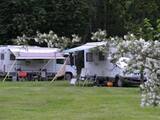 |
The "Jurmala" campsite is located in the park territory of the "Rīgas Līcis" sanatorium and offers facilitated tent, camper and caravan sites, as well as holiday homes for rent. The campsite is located next to the beach and is suitable for recreation with family and friends, as well as for organizing a variety of thematic and recreational events. The proximity to the "Dubulti" and "Jaundubulti" railway stations makes it easy to move around Jurmala or get to Riga. The campsite is also suitable for families with pets. |
|
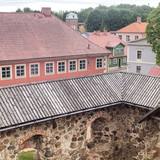 |
It is believed that at the Kezberkalnins of Limbazi has been Lemisele castle of Metsepole Liv district. It is also found in the reports that merchants travelled to this place from the sea by Svētupe and Dunezers until the 16th century. In 1223 Bishop Albert built a stone castle in Limbazi. Like Valmiera, Limbazi became the member of Hanseatic League. At the beginning of 16th century it economic role declined significantly since Svētupe and Dunezers became unusable for shipping. Between the 16th and 18th centuries, the town and its people suffered from wars, diseases and fires. As a result, the population reached its utmost fall - eight people. In the turn of 19th and 20th century and in the beginning of 20th century the economic life of the town was renewed. |
|


