
| No | Name | Description |
|---|---|---|
 |
The “Lamb Club” is a farm in Mazsalaca, and it is special because the sheep live in a real club! The owners offer the atmosphere of a farm at which the sheep play major roles. Enjoy mutton and sheep milk foods and beverages, feel how comfortable it is to read your favourite while sitting on a fluffy sheepskin, and, in order not to get cold by the campfire in the evening, you can purchase warm woollen socks and woven woollen cloaks. The owners hope that people from Latvia and all around the world will spend more time at the farm, because accommodations involve a new glamping tent that is as close as possible to nature and the healthy rural environment. Don’t lose a lick of the comfort that you are used to in your everyday life! The owners, Ilze and Valters, will be happy to give you a tour during which they talk about herding sheep. If you contact them in advance, they will prepare a tasty mutton meal for you. The tour can also be supplemented with various activities such as games, quizzes and creative workshops at which sheep wool is utilised. |
|
 |
Getliņu ekoloģiskais poligons ir Latvijā unikāls piemērs ekoloģiski saderīgu darbības virzienu ieviešanai. Tā energobloka saražotais siltums tiek izmantots siltumnīcu apsildei, kas nodrošina ideālu vidi lauksaimnieciskai ražošanai (puķes un tomāti - lielaugļu tomāti, tumšsarkanie tomāti, aveņkrāsas ķekartomāti) gada aukstajos mēnešos. Poligona teritoriju (zālāju) nogana ar aitu ganāmpulka palīdzību. |
|
 |
This company is proud of more than 100 years of history. Today it is the third largest cheese manufacturer and sixth largest dairy processing company in Latvia. It partners with some 150 Latvian providers of high-quality milk. Smiltenes Dairy is the only one to manufacture “Latvian Cheese.” The company’s products have been awarded the “Green Teaspoon” award. Smiltenes Dairy exports products to five countries in the world and has a nearby store where you can purchase its products. |
|
 |
The saloon is in the centre of Jēkabpils near the Daugava River dam. It offers exotic dishes. Latvian cuisine: Cheese salad, wild mushroom soup, ramekin of chicken or pork, strawberry soup with ice cream. |
|
 |
Piemājas zoodārzs "Brieži" atrodas netālu no Rīgas. Šeit sastopami daudzi un dažādi dekoratīvie putni, tītari, pīles, fazāni, pāvi un žagata, starp tiem dzīvo jūrascūciņas un truši. No četrkājainajiem draugiem te var sastapt Holandes pundurkaziņas, Haidšnukes aitas, Šetlandes ponijus, ēzeļu ģimeni, vāverēnus un jenotpuiku Bārniju. Zoodārzu palīdz sargāt zosu bariņš un Peruāņu pundursivēns - Pigis. No 2015. gada Briežos dzīvo arī dambrieži un briedis Munžaks. Pēc pastaigas zoodārzā, iepriekš piesakot, iespējams izmantot piknika vietas un bērnu rotaļu laukumus. |
|
 |
Elka Hill is one of the highest surfaces in the western part of the Vidzeme highlands, and it offers a lovely and broad view to the North. There is a small parking lot, a TV and radio tower, and the place where the Gauja River is thought to originate.
|
|
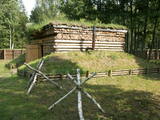 |
The so-called Christmas battles between the Russian and the German military took place in 1916, during World War I. Latvian riflemen demonstrated such courage and heroism during these battles that they became known far beyond Latvia’s borders. Machine Gun Hill now has a memorial to the Latvian riflemen. The viewing tower on the hill has been restored. The Maztīrelis swamp and the place where the German narrow-gauge railroad used to run can be seen well from the hill. The rail tracks crossed the swamp from the North to the South, and the rows of trees in the swamp show where they were.
Visiting the object: You can hike the area with or without a guide. The Christmas battle museum at the Mangaļi homestead offers thematic and educational events, as well as mock battles. You can look at monuments, graves, trenches, fortifications, dugouts, etc.
The Mangaļi homestead is home to Latvia’s largest mock-up of a battle site. There are unique elements of fortifications from World War I here – ones that are related to the Christmas battles. One part of the fortifications has been reconstructed in its original location – the dugout and a part of the so-called “German rampart” that was part of the front line of the German fortifications.
|
|
 |
Zemnieku saimniecībā "Rudzīši" iespējams apskatīt dažādus mājputnus - vistas, tītarus, dažādu šķirņu pīles un zosis. Mini zoo mīt arī cūkas, aitas un kazas. Tiek piedāvāta izjāde ar poniju, kā arī iespēja pārnakšņot brīvdienu mājā. |
|
 |
Saimniecība nodarbojas ar zirgkopību un aitkopību. |
|
 |
Zirgi un citi lauku iemītnieki. Dažāda veida izklaides ar zirgiem gan saimniecībā, gan ārpus tās, un saimniecībā mitošo iemītnieku apskate. |
|
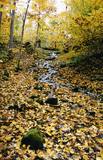 |
The lime gully that emerged as the Baltic ice lake receded is crossed by the powerful streams of Mežmuiža, and the water from these streams contains a high concentration of lime salts. The water from the streams flows into a mill pond that has a very interesting colour. The sculptor Teodors Zaļkalns once lived in the travertine mill that is alongside the pond. Wood pathways have been installed for those who wish to visit the streams.
|
|
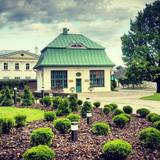 |
Located at Pils Street 25A in Alūksne, this is a building that was initially a trade pavilion and was built in the early 20th century. The Ernst Glück Bible Museum was established in 1990 as the only museum of its type in Latvia and the Baltic States. Glück (1652-1705) was a pastor and educator who was the first to translate the Bible into Latvian. The exhibition features various editions of the Bible from 1694 to the present day in 38 languages, along with books of sermons and other examples of Christian literature. |
|
 |
Atrodas austrumos no Alūksnes Tempļa kalna un dienvidos no Lieliem kapiem – Tempļa kalna parkā. Skatu torņa platforma atrodas apmēram 30 m augstumā virs Alūksnes ezera ūdeņiem. Labi redzama Marijas sala, Alūksnes parks, Alūksnes ezera piekraste līdz Kolberģim un Lāzberģim. Izcili ainavisks skats! |
|
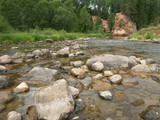 |
The Amata is one of Latvia's swiftest river, and water tourists congregate there each spring to engage in extreme activities. From the Rīga-Veclaicene highway, the Amata flows into a deep valley, with an average drop of more than 3 m/km or, downriver, as much as 8-10 m/km. Water tourists usually use the segment of the river between Melturi and the Zvārte cliff or the Veclauči bridge that spans the Līgatne-Kārļi road. Please remember that the Amata is not a friendly river for beginners. After lengthy rainfall, the river can be navigable during other times of the year, as well. The surrounding valley is attractive because of impressive sandstone and dolomite cliffs, among which the best known are the Vizuļi cliff (which can be the site of beautiful frozen waterfalls in winter), the Ainavu cliff, the Ķaubju cliff, the Dzilna cliff, the Zvārte cliff, and the Lustūzis cliff. Between Melturi and Veclauči, there is the Amata geological trail, which is marked with orange paint on tree trunks. There are three segments to the trail – from Melturi to the Kārļi fish farm, from the fish farm to the Zvārte cliff (both segments can be extreme!), and from the Zvārte cliff to the Veclauči bridge. You can hike the trail at any time except when there is deep snow. The most impressive views will be found when the trees are bare. If you boat down the river, you will not have time to look at or photograph the cliffs, because all of your attention will be focused on the river itself and the obstacles therein. |
|
 |
Plašajā piedzīvojumu un atpūtas parkā ir iespējams piedalīties elpu aizraujošās aktivitātēs. Piedzīvojumu parkā "Supervāvere" visiem aktīvās atpūtas cienītājiem ir iespēja izmēģināt vairāk kā 60 atrakcijas: augstu un zemu kokos izvietoti dažādi virvju ceļi, pārejas un šķēršļi, kā arī ierīkoti nobraucieni pa trosēm. Laižoties pa garākajiem šāda veida nobraucieniem Latvijā gar ausīm svilpo vejš un acīm paveras lielisks skats uz Gaujas senlejas koku galotnēm. Tāpat ir iespējams doties Gaujas upē - ar plostiem, raftiem, kanoe vai piepūšamajām laivām. Gaujas krastā atrodas arī Ozolkalna kempings ar 6 mājīgiem mazajiem namiņiem. Katrā ir divas istabas ar kopīgu sanitāro mezglu. Namiņos iespējams izguldīt 4 – 5 personas. Tie ir apsildāmi, visas gultas ir saklātas, katram viesim ir dvieļu komplekts, iespēja uzvārīt tēju namiņā, pieejams grils, koplietošanas virtuve, bezmaksas WiFi. Ozolkalns arī piedāvā vietu pasākumiem kempinga teritorijā un kopā ar sadarbības partneriem palīdzēs noorganizēt uzņēmuma āra pasākumus.
|
|
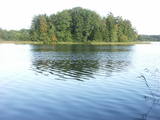 |
This restricted area protects Lake Jumurda, which is in the central part of the Vidzeme highlands, along with its three islands, the local broadleaf forests, and the surrounding landscapes.
|
|
|
|
Ap 7 km garā apļveida taka sākas pie leģendārajām Mangaļu mājām. Tā iepazīstina ar latviešu strēlnieku kauju vietām, vietām, kur atradušās to fortifikācijas, t.s. „Vācu valni” u.c. liecībām. Mangaļu mājās – Ziemassvētku kaujām veltīts muzejs. |
|
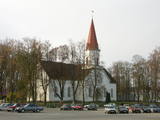 |
Until 13th century, Smiltene region was a part of Talava country, inhabited by Latgalians. After Crusaders invasion it was won by the Archbishop of Riga, and he built a stone castle on the steep river bank of Abuls in 1370. The following wars and epidemics did not spare the development of settlement, nor the people. Present shape of the town began to emerge in 19th century along with the vigorous activities of owner of Smiltene manor first Lieven. Until the World War I, wood working factory, hydroelectric power plant (established in 1901, first in the Baltics), and other companies were operating in Smiltene. In 1944 when the German forces retreated, much of the Smiltene historical buildings were destroyed in the fire. |
|
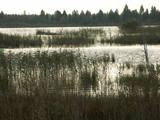 |
Peat moss has been extracted from the Seda heath since the middle of the last century, but it is nevertheless one of the most important NATURA 2000 territories in Latvia, with a great diversity of landscapes, biotopes and biology – birds in particular. This is a good place for bird-watching during migration season, and viewing towers have been set up on the edge of the swamp for this purpose.
|
|
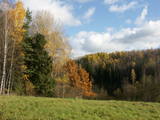 |
The Krustkalni Nature Reserve was established in 1977, and the diversity of plants in the region is based both on the terrain – the Madona-Trepe embankment, a series of hillocks with low areas among them, swamps and small lakes – and on the biotope – natural meadows, forest glades, places where underground streams bubble up to the surface, and vast areas of forest with very old stands of trees. Some 800 types of plants have been defined in the reserve. It can be toured only in the company of a guide from reserve headquarters, and one must apply in advance. Visitors can visit the Krāku streams, Lake Svēte-Dreimaņi, and other sites. |
|


