
| No | Name | Description |
|---|---|---|
 |
The craftsman produces bespoke and elegant interior design objects such as wooden furniture (closets, beds), stairs and other useful items. He will be happy to share his knowledge and experience. Among other things, Andris Prikulis has built several wooden altars for churches. |
|
 3 days
|
Маршрут ведет по южной части исторического края Курземе и включает самые интересные туристические объекты, различные прибрежные пейзажи, и через Земгале возвращается в Ригу. На участке от Юркалне до Лиепаи маршрут идет вдоль побережья Балтийского моря, которое еще двадцать лет назад было закрытой режимной приграничной зоной, в которую попасть можно было только с наличием специального разрешения. В маршрут входят охраняемые природные территории, открытые для посетителей сельские хозяйства, в которых можно как попробовать, так и приобрести качественную продукцию, выдающиеся памятники культуры, Лиепая с выдающимся спектром военного наследия в Военном порте (Каросте) и оживленная Елгава, где обязательно надо подняться на башню церкви Святой Троицы для обозрения окрестностей. Информация о маршруте от Latvijas Lauku forums |
|
 |
You are offered horse-riding along the picturesque forests and individual horse-riding lessons. |
|
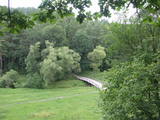 |
The Tērvete Nature Park is located in an area which is not particularly typical of the Zemgale region – the distinct Tērvete River valley. Along its banks there are vast forests which have been nicely adapted to leisure activities. There are natural treasures, as well as an outstanding cultural and historical heritage in the area. The Tērvete Nature Park is one of the most popular tourist destinations in Zemgale. People are interested in the Park of Old Pines, the lovely pine forest, the Sprīdīši arboretum, the Tērvete, Klosterkalns and Svētkalns castle hills, the memorial museum “Sprīdīši” which commemorates the great Latvian author Anna Brigadere, various attractions for children, lovely landscapes, a dense network of pathways, etc. The nature park was nominated as the most family-friendly location in Latvia in 2004. |
|
 |
The saloon is in the historical centre of Limbaži in Kārlis Baumanis Square. Latvian cuisine: Cold soup, baked cod or plaice, potted meat and mushrooms, stuffed pancakes, stacked rye bread, strawberry soup. Special foods: “Wedding Pork Chop”. |
|
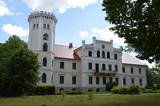 |
Skaistā ēka atrodas Lizuma centrā. Lizuma muižas īpašumi piederējuši dažādām dzimtām – vācbaltiešiem Tīzenhauzeniem, Malamiem un Volfiem. 1836. g. muižu iegādājas barons Otto Gotlībs fon Volfs, kura laikā muižas pils iegūst tagadējo veidolu – Tjudoru neogotikas stilu ar poligonālu torni. Jau no 1937. g. pilī izvietojusies Lizuma skola, kas ir viens no iemesliem, kādēļ saglabājusies ne tikai pati ēka, bet arī atsevišķi interjera elementi kāpņu telpā, Zilajā (Mednieku) zālē u.c. Pili ieskauj parks, kur atrodas muižas saimniecības ēkas – mūra klēts (te kultūras nams), 1876. g. celtais zirgu stallis (sporta halle), kalpu un dārznieka namiņš u.c. Bijušajā spirta brūzī ražo Gotiņas konfektes. Pils tornī izveidots Lizuma vidusskolas veidotais novadpētniecības muzejs. |
|
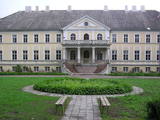 |
The Rudbārži Estate was built at the request of Baroness Thea von Firks from the aristocratic dynasty. After a reconstruction in 1883, the building became an ornate example of Mannerism and Renaissance architecture, with decorative finishing and a larger size. On December 15, 1905, the building was torched by revolutionaries. The restoration began three years later under the leadership of architect L. Reinier. The castle has a holiday hall with two marble fireplaces, the parquet in some of the rooms dates back to the early 20th century, and the outdoor doors have metal engravings. The castle was reconstructed in 1938. It housed a German field hospital during World War II, while after the war it housed a school for forestry workers. In 1962, the Rudbārži school moved into the building, which is now named after Oskars Kalpaks. A commemorative plaque outside the building is devoted to the Kalpaks battalion. During Latvia’s liberation battles, on January 22, 1919, the Bolsheviks occupied Skrunda, and seven days later, Kalpaks’ battalion attacked from the direction of the Rudbārži Estate. After a three-hour battle, the victory was won, with the battalion taking over a strategic line near the banks of the Venta River. This was the first victory for Kalpaks’ men after many retreats, and that inspired the rest of the liberation battles. |
|
 5 days
|
Historians say that Liv tribes began to settle the territory that is now Latvia in the 10th century. They lived in Northern Kurzeme, at the mouths of the Daugava and Gauja Rivers, and from Ģipka to Oviši, where seaside fishing villages of Liv origin can still be found. Coastal residents have always eaten various sea, river and lake fish dishes, including smoked sole, Baltic herring, cod, bream or eelpout, baked lampreys, salted sprats, Baltic herring and common herring. Fresh and lightly salted Baltic salmon is a delicacy. Whole fish are baked on hot coals, including pike perch, trout, carp, catfish and European perch. Guests can participate in catching and smoking fish and tastings with bits of everything is available on degustations. Rye can be tasted in rye bread and sourdough bread, carrot buns and even pancakes and gingerbread. Barley buns are common in Vidzeme, as are tasty meat and fowl dishes. There will always be a pig's snout with peas or an oven-roasted piglet on New Year's Eve. Taverns serve wild game with lingonberries, mushrooms and other wild tastes. Side dishes include autumn vegetables, pumpkin, beans or grits, as well as sinfully tasty sauces. Enjoy traditional pies, sheet cakes, pretzels, apple cakes and honey bakes during celebrations or every day. You will enjoy desserts made of rye breadcrumbs, cranberries, lingonberries and sweet cream. Popular in Kurzeme are blackberry dumplings, and during summers, there are lots of desserts with fresh berries. Boost your health with aromatic herbal teas and honey, or enjoy some homemade wine or beer. |
|
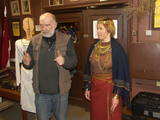 |
The blacksmith’s shop is found at the medieval Cēsis Castle. You can examine, order and purchase reproductions of ancient jewellery, watch the craftsman at work, hear a very attractive story about the history of jewellery-making, and try your own hand at the craft. |
|
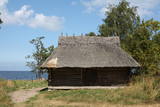 |
Altja village in Lahemaa National Park was first recorded in writing in 1465. It is a typical seaside village with houses along one street. Traditional farmsteads of Uustalu and Toomarahva from the late 19th C are open to visitors. Renovated fishnet sheds are located on Altja Cape. The village has a swing and a tavern (Altja Kõrts) providing national food |
|
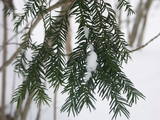 |
The forest covered area formed to protect tort protected plant species as yew-tree etc. Territory is not suitable for visitors as visitor without environmental knowledge will see “regular” forest.
|
|
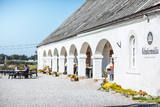 |
Located in the northern part of Valmiera, the Valmiermuiža Estate mansion (Neo-Baroque Style) was built between 1764 and 1771 by Prince August Friedrich of Schleswig, Holstein and Soderburg. Over the course of time it has been owned by other people. According to modern evidence, the mansion was a one-story building with a Baroque tower and a two-story addition in the early 20th century, which made it appropriate as a summer home and hunting lodge. The building burned down in 1918. Two years later, Valmiermuiža became a prison camp for captured soldiers. Later the addition to the mansion was restored and used as an elementary school. In 1936, the building became a prison, and it was once again a prison camp for captured soldiers during World War II. Later the building burned down again, and the ruins were removed. Still surviving is the Valmiermuiža tower, with ceiling paintings that are a cultural monument, as is the surrounding park. The Valmiermuiža brewery is alongside the historical monument, thus providing second wind for the whole region. |
|
 |
Pärnamäe farm on Kihnu Island has won the title of most beautiful home four times. The owner is preparing traditional, home-made dishes, Kihnu bread and smoked fish that you can also buy at Kihnu port market. The accommodation is located in three comfortable cottages. In winter, unique Kihnu carpets are made here |
|
 3 days
|
This part of the Forest Trail gives an opportunity to see Setomaa or “the Land of Setos” which is inhabited by Setos – an ethnographic group with specific ancient traditions and a unique language dialect. Forest Trail hikers can visit the traditional Setos homestead and enjoy Setos cuisine. The forests of the region are especially charming in early autumn, when the ground is coloured lilac by the blooming heather. There is a good chance to pick wild mushrooms and berries. One of the most beautiful sections of this trail in Setomaa leads along the River Piusa, where the river is surrounded by sandstone outcrops. You will also visit the Piusa caves. The tour will end in Värska resort – with its sanatorium and SPA, which use the strengths of local nature: mineral water and lake mud. Värska mineral water is well known in Estonia and elsewhere. |
|
 |
Rečina Old-Believers Prayer House was built in 1912. It has a rectangular shape with a single-hall,
rubble-wall foundation and a small tower on the top of the altar.
|
|
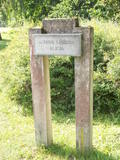 |
Marking of the Jānis Lībietis Alley in the
Ķemeri Park – Lībietis directed the institution
which managed the Ķemeri sulphurous springs
from 1928 until 1944, and the monument to
him is at the end of the Jānis Lībietis Pathway
|
|
 |
By the beekeeping farm “Kalniņi” there is a Bee Hut – small wooden house in which you can feel the presence of bees. The hives with seven bee families are built-in the sides of the Bee Hut, but inside the building they are designed as beds or seats. When looking at the building from the outside you can see the bee runs and also bees themselves. In addition, “Kalniņi” also offer different types of bee products – honey, pollen bread, beautiful and aromatic wax candles. It is possible to taste beekeeping products and enjoy a cap of warm tea. Families with kids can participate in educational workshops, learn how to make wax candles and gain information about the daily life in the beekeeping farm. Since summer 2018 everyone can also visit the House of Crafts, where you can participate in different activities such as Encaustic painting (also known as hot wax painting), create wooden souvenirs with burnt folk signs as well as create wax candles etc. The House of Crafts offers different itineraries for grownups, kids, youngsters and newlyweds. There you can also purchase the offered products - various flower honey, pollen, pollen bread, propolis, cell honey and wax candles. |
|
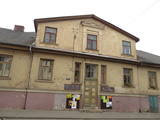 |
Saldus is mentioned in the historical documents already in 1253. Until the 13th century an ancient Cours castle Salden was located here, which is also represented in the coat of arms of the town. Around the 1341 Livonian Order built a castle near the Cours hill fort, where settlement formed. Its peak of development, like the other settlements of Courland, was during the reign of Duke Jacob 1642 – 1682. 1856 is mentioned as the year of the foundation of Saldus, when restoration of town perished during the Northern War begun. At the end of the World War II a big fights took place at the town, but town remained in German-occupied part of Latvian until the May 8, 1945. Modern Saldus attracts with its activities - town days, the music festival "Saldus Saule", as well as a variety of sightseeing objects, among which A/S 'Druvas Partika" can be mentioned, where you can watch how the ice cream is made and Saldus Food Factory, where you can taste the delicious candy "Gotina" and watch the production process. |
|
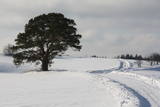 |
This is an unusually shaped pine which, according to legend, was planted by the king of Sweden during the Great Northern War.
|
|
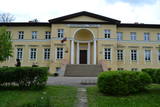 |
Tāšu – Padures muiža (Tasch – Paddern) celta 19. gs. sākumā kā Korfu dzimtas pils, kas 1852. gadā pāriet Keizerlingu dzimtas īpašumā kā medību pils, kas kalpojusi kā vasaras mītne, un ir izcils vēlīnā klasicisma paraugs. Iekštelpās saglabājušies vairāki senā interjera apdares fragmenti. Pēc pils pabeigšanas, ap to sāka veidot vairāk kā 10 ha lielu parku ar svešzemju kokiem. Šobrīd muižas ēkā atrodas Kalvenes pamatskola. |
|


