
| No | Name | Description |
|---|---|---|
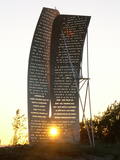 |
In Ošvalki, which is between Jūrkalne and Sārnate, there is a commemorative sign, “Sail of Hope,” which commemorates Latvians who sought to cross the Baltic Sea to Sweden during the latter period of World War II in 1944 and 1945. The sign is in the dunes between the road and the sea. |
|
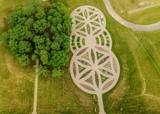 |
This museum was established in 2014 in partnership with the Siauliai University botanical garden. The museum is 85 m long and 40 m wide on a territory that covers 0.34 ha. |
|
 |
Drinks are made from fruits and berries grown in Kurzeme region and hand-picked. 100% handmade. Our Story Apples Ciders Visitors Where to Buy |
|
 |
Atpūtas vieta "Buki" atrodas Ventspils novadā, Baltijas jūras piekrastes aizsargjoslā. "Buki" ir klusa vieta atpūtai, kur iespējams baudīt Latvijas lauku mieru. Piedāvā atpūtu ģimenēm ar bērniem, draugu kompānijām vai vienkārši dabu mīlošiem cilvēkiem. Atpūtas vietas teritorija ir labiekārtota un tajā ir iespējama makšķerēšana piemājas dīķī, sporta aktivitāte kā volejbols, kā arī teritorijā ir atrakcijas bērniem - batuts un šūpoles. Nakšņošanas iespējas 6 veidu kotedžās, 3 veidu numuros viesu namā un 2 brīvdienu dzīvokļos, kā arī teltīs un treilerī. "Buki" piedāvā vietas svinībām gan lapenēs, gan svinību teltī (līdz 100 personām), arī divas pirtiņas. Atpūtas vietas teritorijā ir mini ZOO, kurā iespējams ne tikai dzīvē ieraudzīt dažādu sugu un dzimtu pārstāvjus, bet arī tos apčubināt un pabarot. Mini ZOO var sadzirdēt pērļu vistas, dziedošu ēzeli Janci, redzēt krāšņo pāva asti, izbaudīt alpakas un lamas vilnas mīkstumu, satikt aci pret aci dažādus kamieļus un daudz ko citu. Tāpat saimnieki piedāvā dažādu mājražojumu (kūpināta gaļa un zivis, kazas siers, olas, desas, sezonas augļus un dārzeņus u.c. produkti) degustācijas. |
|
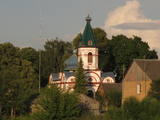 |
This is an urban construction monument that was created between the 17th and 19th century, and it is of national importance. The street layout around Jelgavas and Rātūža streets forms closed blocks of buildings. There are Lutheran, Catholic, Orthodox and Baptist churches in Jaunjelgava. One of the most outstanding architectural monuments is City Hall, which was built in 1912 and features Art Nouveau forms. None of the city’s five synagogues has survived. The historical centre of Jaunjelgava features a promenade that runs along the banks of the Daugava River. This is a popular place for strolls, leisure and swimming. |
|
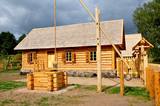 |
The Slutiški village is a very ethnographic village with a layout and buildings typical of the Latgale region, complete with decorated windows and facades. The Slutiški Old Believers House features a museum focusing on the cultural environment and traditions of the Old Believers. One of Latvia’s most unusual landscapes can be seen from the ancient banks of the Daugava River. |
|
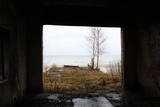 |
Today it seems unbelievable that just 20 years ago there were buildings on the coastline with massive projectors that were rolled onto a platform at night so as to shed light on the nearby sea and beach and to look for potential violators of the border regime. Only the buildings and the ruins of the platform are still there – they have been seriously damaged by the waves of the sea.
|
|
 |
The tree farm focuses on decorative plants, including summer and perennial flowers, fern and collections of peonies. Flower containers and pyramids are made on order. The farm delivers and installs vertical “green walls”. The farm also offers Christmas products and materials for floral design. |
|
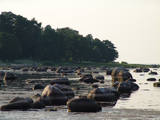 |
Back when the Baltic Sea was part of the ancient Littorina Sea, the coastline emerged as a small and shallow shore that was formed 4,500 to 5,000 years ago. The coastline has little rocks and gravel that have preserved typical examples of fauna from the Littorina Sea. The ancient cliff is best seen at the Dobeļi homestead in Kaltene. This is one of a few parts of the shore of the Bay of Rīga where there was an abrasion coastline during the era of the Littorina Sea. The shallow bay is popular among birds which feed and rest here during migrations. (Source: Roja TIC) |
|
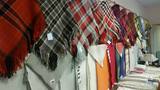 |
SIA "Limbažu Tīne" ir vilnas pārstrādes uzņēmums ar senām mājas tekstila tradīcijām, kas dibināts jau 1914. gadā. Šobrīd uzņēmumā tiek ražota vilnas dzija, austi augstvērtīgi vilnas un linu audumi, segas, parklāji, pledi, galdauti, dvieļi, lakati un citi tekstilizstrādājumi. Limbažu Tīne ražo etnogrāfiskos audumos pēc autentiskajām Baltijas reģiona kultūrvēsturiskā mantojuma paraugiem. |
|
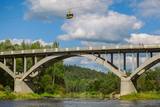 |
Gaujas tilts Siguldā ir vienīgais tilts Latvijā ar šādu unikālu tehnisko risinājumu. Pirmo reizi tilts uzcelts 1937. gadā, taču kara laikā tas tika sagrauts. 1950. gadā to atjaunoja. 2017. gada vasaras beigās noslēgsies tā rekonstrukcijas darbi. |
|
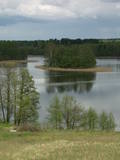 |
In Vecslabada, there is a peninsula among Lake Dziļezers, Lake Audzeļi, and Lake Istra. From the highest point on the peninsula, you will see a truly unusual view of the land of the blue lakes – lake islands, as well as the village of Vecslabada with its church towers. The Lake Istra nature reserve is nearby.
|
|
 |
The bakery offers more than 50 different types of bread products. The “Arona” rye bread has been awarded the “Zaļā karotīte” certificate of conformity. Products awarded with the “Bordo karotīte” certificate: Rye bread, Sweet and sour bread, Latgale tin loaf, Scored white bread, Hearth rye bread, Cesvaine hearth bread, Madona sweet and sour bread, Biržu sweet and sour bread. Several medals were received at the Riga Food exhibition. |
|
 |
Kartavkalnā, kur senāk atradusies seno zemgaļu apmetne, ir izveidota dabas taka ar soliņiem, piknika vietām. Šeit apskatāms arī Jaunpils Kartavu kalns un lapegļu aleja, kā arī iespējams aplūkot, kāda izskatās senlatviešu apmetne ar īstu guļbaļķu sētu.
|
|
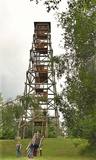 |
Lielais Liepu kalns ir Latgales augstienes Rāznavas pauguraines augstākā un Latvijā trešā augstākā virsotne (289,3 m v.j.l.). Lielpaugura relatīvais augstums ir 86 m! Skatu torņa platforma ir šobrīd augstākais Latvijas punkts (323 m.v.j.l.), kas sasniedzams ar paša kājām! Liepu kalna apkārtne ir labiekārtota. |
|
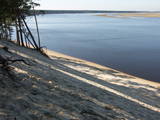 |
An important complex of the coastline and its sand dunes along with the mouths of three major rivers – the Lielupe, the Daugava and the Gauja. This area has ancient traditions of recreation and spa services. The territory has lovely shoreline landscapes and features one of the few coastline meadows in Latvia. The nature park includes several restricted areas – the meadows of the Lielupe estuary, Vakarbuļļi, Daugavgrīva, Vecdaugava and Ummis (see the section on “Restricted Natural Areas”). Interesting elements of nature in this area include the amphitheatre of the Garciems dunes, along with individual dunes such as the Legzdiņi dune and the so-called ski mountain dune. Visitors will be attracted by various cultural and historical monuments – fortifications on the Mangaļi peninsula, military buildings from the period of the Russian tsars all the way through the late period of the Soviet occupation, the fortress of Daugavgrīva, the Vecāķi spa with its old shoreline buildings, and the beaches at Daugavgrīva and Vecāķi. The proximity of the city of Rīga and various important recreational resources are the reason for the massive anthropogenic burden that is placed on this territory. The nature park is appropriate for active tourism (hiking, bicycling, boating, driving), distance skiing, nature and bird-watching, cultural tourism, passive leisure and educational tourism. There are nature trails at Daugavgrīva and the Rožu dunes, along with other elements of infrastructure. |
|
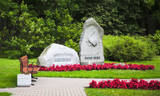 |
From the 6th century until the 8th century instead of the current Grobina the largest known Scandinavian trade and warrior colony in the Baltic States was located. Settlers from the inlands of Gotland and Sweden established their settlement at the hillock that was then located at the bank of the navigable Alande River. It is believed that the Cours Castle – Seeburg mentioned in the chronicles of the 9th century was located exactly here. After the loss of the order castle in the 13th century Grobina became the centre of the region. The most ancient construction of the city was formed around Lielā Street, as well as around Saules and Parka Streets. |
|
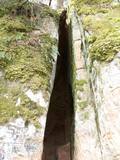 |
The Vējupīte ravine is meant for those who are not afraid of long and steep wooden stairs of the type that lead you up and down the ravine. From the Līvkalns guesthouse, you can climb the stairs downward, where you will find a shallow (3.6 m) but high (6.1 m) cave – the Pēters Cave. It is something of a gap or a niche. Another 10 minutes or so downstream (toward the Gauja) will lead you to the deep Pūces ravine and its Kraukļupīte River. The Satezele castle hill is at the confluence of the two rivers (90 x 75 m). A wooden castle was there during the feudal era in the early 13th century. Its main entrance was on the western side of the castle hill. You can get to the hill from the depths of the ravine via a wooden staircase. The Kraukļi ravine, in turn, is accessible if you climb down the same stairs and continue on your way toward the Gauja. The ravine is found on the left bank of the Vējupīte, and its sandstone walls are up to 11 m high. The Kraukļi cave, which is 5.2 m deep, is on the wall. Another 10-15 minutes (crossing the Vējupīte on a wooden bridge), and you will find another staircase leading you to Paradīze Hill (see the description above). |
|
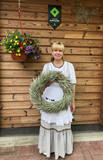 |
The Dzīļu bakery in Malnava is a symbol of Krāslava and it is located next to the Malnava manor park. The lady of the house prepare hearty Lettigalian dishes and other country goodies. In the bakery the owner bakes different types of bread, for example, rye-bread, sweet-and sour bread, as well as makes cakes on pre-order. She also offers to groups and families to bake bread, pies, cakes or pizzas together. The tasting and Latgalian dishes in nowadays’style. A walk around the park of Malnava manor and stories about the white gate. Local bread is famous in Kārsava. The bakery offers brunch on weekends, as well as markets of local crafts and other products. |
|
 |
BURSH brewery – one of the smallest breweries in Latvia which is situated between Zemgale, Vidzeme, Latgale and Selija territories – in the Plavinu territory of Aiviekste district. Beer connoisseurs are offered dark and light beer BURSH. BURSH is made of water, barley malt, hop and yeast, is boiled on a firewood stove, fermented in oak barrels and prepared for 30 days. LLC „ECOS” uses only natural raw material in the process of brewing. Beer is made according to the special recipes made especially for BURSH brewery and with attention to traditiaonal methods of brewing beer. |
|


