
| No | Name | Description |
|---|---|---|
 |
Viengadīgo krāšņumaugu, ēdamaugu dēstu audzēšana. Dažādu krāsu un formu tomātu audzēšana segtajās platībās. Ar 2021. gadu tomātu pārstrāde - sulas un pulvera ražošana. |
|
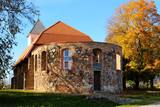 |
Dievnama mūri kā svētvieta glabā ne tikai svētuma starojumu, mierinājumu, bet arī smagus, rūgtus un iznīcinošus notikumus. Vairākkārt pārbūvēta, sagrauta, dedzināta, un tomēr atjaunota. |
|
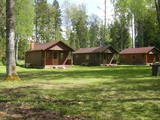 |
The campsite is located on the 139th kilometer of the Riga-Ventspils highway, on the shore of Lake Tīrukšezers. Offers 3 comfortable cottages with WC and shower. TV and fireplace in common areas. Bar, tent places, boat rental, fishing opportunities, swimming place, picnic places. Children's playground and sports field. Possibility to order meals. Rooms for celebrations (20 persons). Table setting for celebrations, business events throughout the year. |
|
 |
Der Turm befindet sich im Gutspark Kiiu. Wurde im ersten Viertel des 16. Jh. errichtet und diente als einen „Schutzraum” für Grundbesitzer. Geöffnet für Besucher und bietet den berühmten estnischen Likör „Kiiu torn” an. |
|
 |
Viena no pirmajām bioloģiskajām saimniecībām valstī. Pamatnozare - dārzeņkopība. 33 ha platībā tiek audzētas sojas pupiņas, cietes un pārtikas kartupeļi, burkāni, galda bietes un citi dārzeņi, kā arī griķi un sinepes. Uzsākta eļļas auga Idra audzēšana. Saimniecībā pamazām pāriet uz pākšaugu audzēšanu, izmantojot moderno tehniku. Iespēja iesaistīties visdažādākajos lauku darbos: sulu spiešanā, pupiņu šķirošanā un našķu gatavošanā. Iespēja apmīļot tādus mājdzīvniekus kā trušus, kazas u.c. Bioloģisko produktu iegāde. Vizināšanās ar laivu un makšķerēšana piemājas dīķī vai ezerā. Nakšņošanai viesiem tiek piedāvāta vieta teltīm pie Adulienas ezera. Iespējama nakšņošana svaigi pļautā sienā siena šķūnī vai siena gubā. |
|
 |
Meistardarbnīcā „Cimdiņi” darbojas Latvijas Amatniecības kameras diplomētā meistare Ina Valtere, pie kuras ikvienam ir iespēja uzzināt visu interesējošo par rokdarbiem, kā arī iegūt padomu un ieteikumus adīšanā, izšūšanā un tamborēšanā. Tiek piedāvāta iespēja piedalīties arī darbnīcās un meistarklasēs. |
|
 |
The tower is beyond the Oleri estate, in the small Oleri swamp, where at the end of a wooden footpath you can step upward a bit and learn about the landscape of a transitional swamp. This is part of the ZBR.
|
|
 |
The restaurant in the relaxation complex Vonadzini, on the southern shore of Lake Ludza, not far from the city of Gulbene. On the menu: tasty fish, chicken and pork meals. Contact the venue in advance for tourist group meals, wedding banquets, etc. |
|
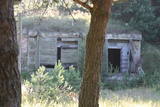 |
The 77th Zenith Missile Brigade of the Soviet Army was charged with air defences along the Soviet Union’s external border. The facility is owned by the regional local government and is not used for anything. There is an interesting gate at the entrance to the facility, however.
|
|
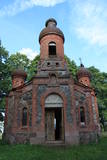 |
Dievnamu (atrodas Skujenes – Vecpiebalgas ceļa malā) 1872. g. cēla pirmais izglītotais latviešu arhitekts Jānis Frīdrihs Baumanis (1834. – 1891.), kas ir vairāku pazīstamu celtņu – J. Vītola Mūzikas akadēmijas, Rīgas cirka, Valsts bankas u.c. ēku projekta autors. Padomju laikā Māļu baznīcā atradās tukšās taras pieņemšanas punkts, bet mūsdienās – saglabājies tikai ēkas ārējais veidols. Baznīca apskatāma arī no iekšpuses. |
|
 |
The farm borders the city of Zilupe. Melons, watermelons, and pumpkins are grown here in an open field. The host is one of the few Latvian birch bark craft masters, the hostess comes from an old family of gardeners and is a certified floral designer, and their son is a potter. All of them offer demonstrations, creative workshops, and accept orders. |
|
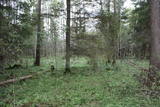 |
One of the rare places (see also Rucavas ivju audze) in Latvia where two rare and protected wild tree species grow - yew-tree and Baltic ivy. Territory is not marked on site with information signs or stands. Territory is not suitable for visitors as visitor without environmental knowledge will see “regular” forest. On the East side of the restricted area is located extending low wall – former narrow gauge railway (600 mm, length 41 km) line Dulbeni – Rucava. Railway was built by German military forces with the goal – to export wood.
|
|
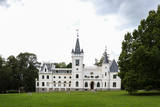 |
The castle was built during the first half of the 19th century in Tudor Neo-Gothic forms. The first owner of the castle was Baron Johann Gottlieb von Wolff. During the 1870s and 1880s it was rebuilt in the style of French Neo-Renaissance. The castle was burned down during the 1905 Revolution, but it was restored with certain elements of Art Nouveau forms. Tours are available of the interior of the building. |
|
 |
This weekend home is in a lovely location near the reservoir of Rugāji. The owner breeds and processes fish and serves Lettigalian foods. He also works with local farmers and fishermen. |
|
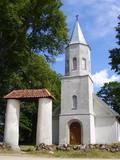 |
Renda is a very old town, first mentioned in historical sources in 1230. During the 13th century, Renda was one of the centres of the ancient Courlandian land of Vanema. When Courland was split up in 1235, Renda was taken over by the German Order, and local residents were forcibly drafted into its military. During the age of the Duchy of Courland (1562-1795), the region flourished despite wars, the bubonic plague and other problems, particularly during the rule of Duke Jacob (1642-1682). During the 17th century, Renda became something of a manufacturing centre, churning out timber products, with local lime kilns, watermills, flax weaving facilities, a glass factory and a boiling house for saltpetre and soap. Wine, perfumes and barrels were produced in Renda, as was cast iron for nails and many other things. The court at the Jelgava Castle loved the sour wines from Renda. All of this was destroyed during the Great Northern War (1700-1721). During the 19th century, a chemicals factory was built on the site of the burned Renda castle, and nearby was one of the largest leather tanning plants in Kurzeme, along with a manufacturing facility for turpentine. Cultural life began to develop in parallel to this. Renda suffered much during the two world wars and the subsequent Soviet repressions. The so-called Courelian Battalion of partisans went into the forests after the occupation to continue their struggle against the Soviet regime. Renda today is a small and quiet village with the Lielrenda Estate, a local church, the “devil’s boat” at the Abava River, and the Īvande waterfalls. |
|
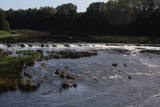 |
This is the widest water fall in Latvia – 249 metres wide and up to 1.75 metres high. This is an interesting natural, cultural and historical object in that it is linked to various events and legends. Duke Jacob of Courland invented equipment to catch fish. It was fastened to the cliffs of the waterfall, and this created the tale of a city where salmon and other fish who were leaping across the waterfall fell into the nets and were thus caught in the air. During Jacob’s rule, there was talk about digging a canal around the waterfall to ensure shipping, and work began on the project. During the early 18th century there was the idea that the Baltic Sea and the Black Sea could be connected via the Venta, Nemuna and Dnieper rivers. Turkish prisoners of war continued to dig the canal, but the local dolomite cliffs were a problem. Attempts to blow up the cliffs led to damage to nearby buildings, so the work ended. The impressive ditch can still be seen today. In 2012, a wooden pathway was installed on the right bank of the Venta to offer a good look at the waterfall. It is worth visiting here during various seasons of the year, when different types of fish migrate. |
|
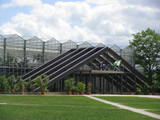 |
The National Botanical Garden in Salaspils ranks as the largest botanical garden in Latvia and in the Baltics with a territory of 136 hectares. The National botanical garden collection consists of about 14 thousand different varieties. More than 5,000 plants are found in the arboretum, as well as various other exhibitions, such as orchards, rosaries, ornamental plants. Botanical Gardens can inspire you to uprade your own garden assortment with new plant varieties and offers the experience of learning about botanical knowledge in nature. In addition, it presents opportunity to expand your personal photo archive with an exclusive background photographs and close-ups. There is a playground for children, comfortable cycling paths, nordic walking paths, picnic possibilities. |
|
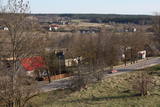 |
We recommend that you walk through the town of Kandava not only to enjoy the charm of a small town, but also to find fantastic viewing locations where you can see the town and the shores of the ancient Abava River valley from the Kurši (Ancestor) castle hill, Lielā Street, the Bruņinieki castle hill and Zīļu Street (School Hill), as well as from the area of the Ozolāji open-air stage.
|
|
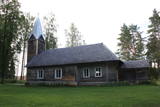 |
The Lode (Apši) Lutheran Church is between Lake Bānūži and Lake Ilze. It is a unique example of wooden architecture and dates back to 1780. The log church had a straw roof until the early 20th century, at which point a shingled roof was installed instead. |
|
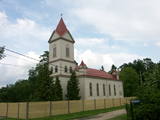 |
Located at 10 Sēravotu Street. The historicism style building is built from wood in 1889 and it is the newest of the three churches in Ķemeri. It is possible to see the church from the inside on the days of worship services. On other days-from the outside. |
|


