
| No | Name | Description |
|---|---|---|
 |
The restricted area was set up to protect Nesaule Hill, which is a forested hillock in the area and features boreal and damp forests.
|
|
 |
The spacious cafe in Gulbene with comfortable chairs and a tasty meal of the day menu. It is also possible to taste various types of pizza and dishes typical for the Gulbene district. Working hours: Monday-Thursday: 10:00 - 22:00, Friday-Saturday10:00 - 03:00, Sunday 11:00 - 22:00 |
|
 2 days
|
Маршрут подходит для тех, кто любит наслаждаться природными и культурными ценностями! Сказочные Слитерские Синие горы известны уже с давних времен, когда на них «пираты» жгли ложные костры, чтобы корабли налетали на мель мыса Колки. В наше время берега национального парка «Слитере» образно наывают геологическим музеем Балтийского моря под открытым небом, так как здесь можно увидеть древний берег Балтийского ледникового озера, береговой уступ Анцильского озера и дюнные образования Литоринского моря (валообразные дюны (кангари) и заболоченные междюновые впадины (виги)), которые наглядно отображают историю развития Балтийского моря за последние 10 000 лет. Этот берег исторически населяли ливы, рыбацкие поселки которых являются значимой культурной средой одного из самых малых национальных меньшинств в мире. Маршрут на участке от Мазирбе до Колки ведет по старой прибрежной дороге, которая петляет через ливские поселки – Кошрагс, Питрагс, Саунагс и Вайде. Национальный парк «Слитере» – одна из наиболее флорестически богатых территорий Латвии, а мыс Колка – одно из популярнейших мест для наблюдения за птицами во время их миграции. Информация о маршруте от Latvijas Lauku forums |
|
 |
The beautiful, tidy and artfully laid out farmstead is situated in Jaunpiebalga district. The farmstead is naturally encorporated into the landscape, the old barn is renovated and its top floor is a place for the owner’s workshop and exhibition (she is a softwares artist). The old log house has also been renovated, and the sauna has been rebuilt. A small river flows through the farmstead, and there is also a Tuleja mound on the territory, which is a natural landmark protected by the state. |
|
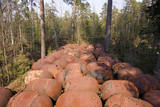 |
Naissaar is a small island near Tallinn which was exclusively used by the Soviet military from 1945 to 1993. Attractions on the island include walking trails, varied habitats, a narrow-gauge railway, fortifications from the early 20th C, and a Soviet naval mines factory. |
|
 |
In the house that was renovated due to the initiative of the Craftsmen society of Beverina, it is possible to buy the products of both the district craftsmen and those from further territories, to visit creative workshops and events in order to learn the techniques of differnt handicrafts. The house is both a teaching centre and a marketplace, as well as the centre to popularise the cultural, folk and Latvian lifestyle of the Beverina district. |
|
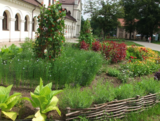 |
The only school-based botanical garden in Lithuania was planted in 1989 at the Traupis school. More than 8,000 types of plants grow in the garden, and all of them have been collected by Sigutis Obelevičius. |
|
 |
Established: 1959
60 coniferous and 350 deciduous trees
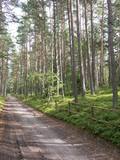
Brief description: Between the Tukums-Kolka road, the Lāčupīte stream and the sea, Igors Mednis has planted a series of foreign trees and shrubs. He has conducted experiments to see how different foreign plants adapt to different conditions. The best time to visit is in May and June, when the rhododendrons are in bloom.
|
|
 7 days
|
Professional agricultural tour with visits to local farms typical of the region. We will meet and greet you in Vilnius and have a city sightseeing tour. Next day we go to Kaunas, for professional meetings and sightseeing of the city. On the way to Riga, we visit picturesque Trakai Castle situated on a lake. At Panevezys we have a visit to a professional apple grower. In Riga we have an Old Town sightseeing tour as well as a visit to the impressive Central Market. In Bauska we have a professional visit to a farm specilaizing in implementing innovative farming (grains, vegetables, potatoes). From Riga on the way to Tallinn, we visit Sigulda town and medieval Turaida Castle with great panoramic views to the ancient Gauja Valley. In Tallinn we have an Old Town tour through narrow cobbled streets followed by a professional visit to a dairy farm in Saku, meeting with the Estonian Farm Union and visiting another cattle and crop farm near Tallinn. |
|
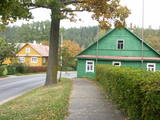 |
Palūšē atrodas nacionālā parka administrācija (izveidota neliela ekspozīcija) un tūrisma informācijas centrs, kempings, nesen atjaunotā laivu bāze un viens no biežāk apmeklētajiem parka objektiem – Palūšes baznīca (Palūšės bažnyčia), kas celta 1757. gadā. 2008. g. No dievnama apkārtnes paveras jauks skats uz Lūšu (Lūšiai) ezeru, īpaši saulrietos, kad baznīca iegūst teiksmainu nokrāsu. Blakus baznīcas žogam aug vecais Palūšes ozols. Uzskata, ka tā vecums varētu būt ~ 350 – 400 gadi. |
|
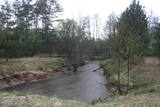 |
Nature restricted area is located to the South from former railroad Ventspils-Liepaja and includes approximately 6 km of Uzava River (and the old drainage system). The territory was used for agriculture during Soviet time, now it starts overgrow by scrubs. The protected nature values – rare bird species, including corncrakes, variety of grassland habitats and plant species. Territory is not useable for tourism activities. There is a possibility to get good insight into the North part of restricted area from the road Alsunga – Berzkalns where information stand is located.
|
|
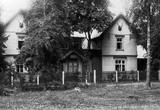 |
The former name of the house was “Forstei” (Forester’s House). It was built using logs of the old Bīriņi Castle. The first owner of the building was Alexander Alexei von Pistohlkors, the baron of Bīriņi Manor. It used to be a house of the manor’s chief forester Pauls Moltrehts. The building served as the chief forester’s work place and residence, as well as the Manor’s hunting base. The building was rebuilt several times. It obtained its current appearance and also the symbolic deer antlers in 1891. During the times of the Independent State of Latvia the house obtained a Latvian name – “Meža māja” or “Forest House”. Ownership of the house has repeatedly changed. In the 1930s, the house became a recreation place for cultural professionals and artists. In 1937, the composer Alfrēds Kalniņš spent the summer in the house working on an interpretation of the score for the second staging of the first Latvian opera “Baņuta”. During the post-war period – from 1945 to 1956 – the building housed Saulkrasti Village Council, and during the times of Saulkrasti District it was the location of the People’s Education Department. Later the children’s sanatorium “Ugunskurs” was transferred from Jūrmala to this building and was renamed “Saulkrasti Children’s sanatorium”. Now the building is privately owned. |
|
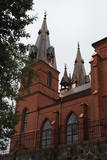 |
In 1685, a military leader from Krakow, Belinsky, paid for the construction of a wooden church in the current location. It was restored in 1749 and lasted until 1887, when it burned down during a storm. A church with two steeples was designed in the Gothic style, and construction of it began one year later. The church was consecrated in 1904 and is one of the most impressive churches in Latvia. Attention should be paid to stained glass windows that feature images of St Meinhard and Albert. Alongside the church is the centre of the Rēzekne-Aglona diocese, which is the seat of the local bishop. |
|
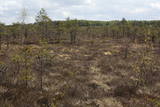 |
Territory established mainly for protection of bog myrtle and various bird species. An interesting fact is that bog myrtle or sweet gale is used as ingredient for making famous Riga Black Balsam. Brienamais purvs (wade bog) is hard to find and reach therefore it is not suitable for tourism.
|
|
 |
The restaurant is on the shore of the Bay of Rīga, between the VIA Baltica highway (A1) and the sea. It is part of the “Kapteiņu Osta” territory, which is surrounded by the meadows of Randa. The restaurant has a summer terrace with beautiful sunsets. Latvian cuisine: Cold beet soup, potatoes with cottage cheese and herring, smoked eel, oven-baked catfish, baked pike-perch with hemp butter, cottage cheese buns, strawberry soup. Special foods: Fish soup. |
|
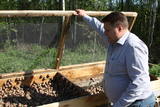 |
Here you will find an attractive and interesting story about Burgundy snails and how they are bred. You can tour the farm, receive valuable advice, taste Burgundy snails prepared on the basis of various recipes, and purchase semi-finished products. |
|
 |
SIA "3x9 zālītes" piedāvā ļoti plašu klāstu zāļu tējas un to maisījumus. Zālītes ievāktas Vecpiebalgas novadā, ekoloģiski tīrās pļavās un mežos. Zālītes vāktas atbilstoši dabas ritmam un mēness fāzēm. Kaltētas dabīgos apstākļos, saglabājot zālīšu vērtīgās vielas, smaržu un garšu. |
|
 |
The LIELKALNI farm planted two hectares of uncommon berries four years ago – golden currants, viburnum, large-fruit hazel trees, sea buckthorn, the black elder, five-flavour berries, the Chinese gooseberry, edible honey-suckle, etc. The farm has been biologically certified since 2008. In 2009 it received certification from the Latvian Food and Veterinary Service for the production of health-boosting syrups, jellies, jams and teas. Tourists can taste the teas, seasonal berries, syrups, jellies and other treats, all of which are also available for sale.
|
|
 |
The saloon is on the edge of the Murjāņi-Valka road (A3) in a two-story log building with a terrace. The interior design of Mazais Ansis fits the aura of a massive wooden structure and it is possible to look at old times’ instruments, household goods and harnesses. There is also a very valuable wooden wheel, which is one of the very few in Latvia. The saloon offers a sauna, a location for campfires and a children’s playground. It works with local farmers and manufacturers. Latvian cuisine: Valmiera salad, boiled tongue, grey peas, farmer’s breakfast, cold soup, filet of pike, roast lamb, grilled pork, stacked rye bread, strawberry crème with jam, rye bread, herbal teas. Special foods: Beef filet with potato pancakes. |
|
 |
Lina, vilnas apģērbu šūšana, galdautu, dvieļu, jostu u.c. tekstilizstrādājumu šūšana. Tērpu darināšana nav tikai darbs, bet arī aicinājums. Tas palīdz izgatavot vissarežģītākās tērpu konstrukcijas. Nemitīgā zināšanu papildināšana kursos ļauj veiksmīgi dzīvot līdzi mainīgajām modes prasībām. Paralēli individuālajiem pasūtījumiem tiek izgatavoti gan apģērbi, gan citi šūtie izstrādājumi tirdzniecībai. |
|


