
| No | Name | Description |
|---|---|---|
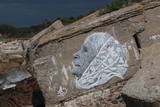 |
The Northern Forts of Liepāja are on the edge of the Baltic Sea, and some parts of them have been washed away. This is a small, but very impressive part of the Liepāja fortifications which once encircled the entire town. The underground bunkers of the forts are on two levels, and it’s worth visiting them in the company of a knowledgeable guide from Karosta (tours are organised from the Karosta prison). There’s a car park alongside the forts. It’s also worth walking down the beach for a distance of around four kilometres to the Northern breakwater. On the shore and in the sea, you’ll see two coastal defence batteries and some pretty impressive views.
|
|
 |
This circular trail features a unique landscape of parallel rampart-type sand dunes and grassy swamps among the dunes. The 3.5 km trail leads through a landscape that is unique in Europe and emerged some 6,000 years ago as the sea was receding. This landscape offers evidence of the geological history of the Baltic Sea. There is a high-type swamp (the Pēterzers swamp), along with remnants of an old narrow-gauge railway. Wooden pathways have been installed along the swamp and the surrounding wetlands. |
|
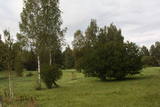 |
Work on the arboretum, which covers 15 hectares of land, began in 1968, and it was meant to be a landscape park. The first plants were planted in 1972. During the fierce winter of 1976, sadly, many of the plants froze. In 1987, the park was redesigned. At that time it had 234 types of deciduous trees, coniferous trees and bushes. There are signs showing the Latin and Latvian names of the various plants
|
|
 |
The landlady of this farm will tell you about healthy herbal teas and home-based goodies. If you wish to spend the night under the stars, we offer a place for tents and a campfire on the banks of local river by the old Lūkas windmill. “Aploki” will welcome anyone who wants to relax in a peaceful and quiet atmosphere. |
|
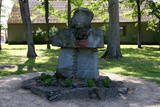 |
Found in the centre of Džūkste, the monument that was set up in 1990 was blown up in 1990, and the current one was made from the ruins of the destroyed one. The monument commemorates troops from the 19th Division of the Latvian Legion who fell during the so-called Christmas battles in 1944. |
|
 |
Ja no Pervalkas (Pervalka) pa Kuršu jomas krastu ar kājām (neliela taka) dosimies Klaipēdas (ziemeļu) virzienā, pēc 10 – 15 min gājiena nonāksim līdz Arkļu ragam (Arklių ragas, citās kartēs – Žirgų ragas), kam iepretim ~ 0,2 km attālumā no krasta uz mākslīgi veidotas akmeņainas salas slejas 14 m augstā bāka. Tā celta ~ 1900. g. vietā, kur savienojas trīs kuģu ceļi no Klaipēdas, Nidas un Ventes raga (Ventės ragas). No šejienes paveras fantastisks skats un Nagļu dabas rezervāta iespaidīgajām kāpām. |
|
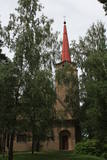 |
The Viesīte Lutheran Church is in Kaļķu Street in the western part of Viesīte, on the so-called Vales hillock which was left behind after the Ice Age. An interesting fact is that the defenders of Viesīte defeated the Bermont army here in 1919. The cornerstone for the church was laid on August 15, 1937 (a commemoration day for military heroes). The building was consecrated in 1939 and restored in 1994. Financing was provided for the construction of the church by Professor Pauls Stradiņš. The altar painting is by Ligita Caune. To the East of the church, at the foot of the Vales hillock is a monument to Stradiņš. |
|
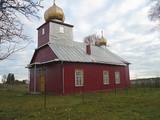 |
Notra’s Old-Believers Prayer House. The construction works
lasted from 1928 till 1931. The church is situated on the site of the
previous church that was originally built in 1853.
|
|
 |
Pirts noma, izmitināšana, ēdināšana, banketu zāles noma, internets, makšķerēšana, volejbola laukums. |
|
 |
Gegründet für den Schutz der Landschaften und der Seen der Aukštaitija-Anhöhe, Arten und Biotope. |
|
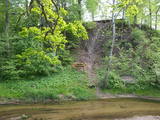 |
The Vilce Nature Park is small in size and exists alongside the deep valleys of the Vilce River and its tributaries. Biotopes include visible sandstone cliffs, rapids on the rivers, forests typical of such areas, and the plants and animals that are found therein. The well-appointed Vilce castle hill is next to the Zaķu meadow, which is a nicely appointed and popular place for recreation. |
|
|
|
Viens no raksturīgiem karsta parādību piemēriem, kur nelielas upītes - strauta ūdeņi pazūd vairākos ūdensrijējos un pēc kāda brīža - iespaidīgās Lauces ielejas krastos iznāk spēcīgu avotu veidā, tālāk ieplūzdami Lauces upē. Šī parādība dinamikā vislabāk ir novērojama pēc lietavām vai pavasaros sniega kušanas laikā un kādu brīdi pēc tam. |
|
 8 days
|
If you enjoy an active lifestyle, then this tour is the perfect way to enjoy the heritage hidden in Gauja National Park, from several different perspectives. Cycling starts at Strenči and passes two local breweries at Brenguļi and Valmiermuiža with nice cafés and good beer. You will hike through beautiful forests and along the Sietiņiezis sandstone cliff towards Cēsis with its charming medieval Old Town. Canoeing takes place from Cēsis to Līgatne, which is one of the nicest parts of the River Gauja with its sandstone banks, remote farmsteads and old fashioned water-powered ferry. Līgatne historic centre is connected with the development of its paper mill. Here you can also visit local wine and handicraft producers located in one of the artificial caves typical of the area. Walk the Līgatne Nature Trails to see local wild animals in a forest setting. At the end you will cycle from Līgatne to Sigulda, which is one of the most popular tourist sights in Latvia. You'll see the Turaida and Sigulda medieval castles, Gutman’s Cave and other picturesque views. |
|
 |
The "Jumis" café is on the side of the Rīga-Liepāja highway (A9). The interior is finished in wood. Latvian cuisine: Cottage cheese with herring and soured cream, farmer’s breakfast, mushroom soup, pork cooked in onions, sautéed liver, homemade steak haché, grilled pork ribs, potato pancakes, stuffed pancakes. Special foods: The “Jumis” pot of ham. |
|
 6 days
|
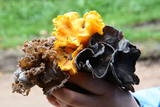
This is for people who enjoy forests, wildlife, local traditions and has a specific interest in the different species of funghi. Everyone could try their hand at mushrooming, identification and by the end of the day together with guide sort out the collected mushrooms. The tour passes several national parks and late back villages. The group will also visit to one of shitake mushroom growers for comparison reasons. |
|
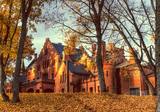 |
Castle's prototype is England's Windsor castle. Sangaste Castle was finished in 1883. Its last owner was Friedrich von Berg (1845. - 1938.) - known grain selector. Near the castle is a park. |
|
|
|
Izteiksmīgs zemesrags, kas klāts ar
dažāda lieluma laukakmeņiem.
|
|
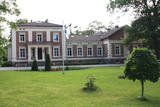 |
Atrodas Taurenē, Gaujas labajā krastā. Muižas apbūve, kurā ietilpst pils (19. gs. 80. gadi, arhitekts – R. G. Šmēlings, historisma un neoklasicisma stils), senie alus pagrabi, klēts, vecā pils un parks, veidojies 19. - 20. gs. Šobrīd muižas pilī atrodas Taurenes pagasta pārvalde un kultūras nams. Muižas kompleksā ietilpst ēka, kurā atrodas Vecpiebalgas novada tūrisma informācijas punkts un Taurenes novadpētniecības ekspozīcija (senajā ledus pagrabā). Parkā (ziemeļos no pils) uzmeklējams piemiņas akmens, kas veltīts komunistiskā terora upuriem. Pie Nēķena muižas sākās 0,4 km garā Cieres dabas taka, kas iepazīstina ar Gaujas krastu mitrājiem. |
|
 |
The family restaurant "Hercogs" is situated in the centre of the city of Jelgava, alongside Duke Jacob Square. The chefs use local ingredients and have a partnership with the “Rudiņi” deer garden. Latvian cuisine: Cold soup, venison goulash soup, venison chop, roast pike-perch or catfish, roast pork, sautéed lamb, potato pancakes, sea buckthorn dessert. Special foods: Filet of beef baked on rocks. |
|
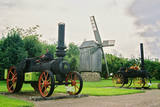 |
The museum is located near Tartu in Ülenurme manor estate, and takes pride in its unique collection of agricultural machinery and a comprehensive exhibition on agriculture and rural life in Estonia through the centuries. Other exhibitions cover beekeeping, vehicles of the past and the use of straw and birch bark. |
|


