
| No | Name | Description |
|---|---|---|
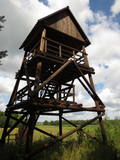 |
Atrodas Skuķu ezera dienvidrietumu krastā. Sasniedzams no Putnu salas, ejot cauri dzīvei savvaļā pielāgoto mājlopu aplokiem un taku. No torņa labi pārskatāma Dvietes paliene (ūdeņainos pavasaros pārplūst) un aizaugušais Skuķu ezers. Laba putnu vērošanas vieta. Putnu salas Atālu mājās – vietējais gids. |
|
 |
Old Kybyn Inn in Trakai serves traditional Lithuanian food like their Karaite meat pasty – the Kybyn as well as other sorts of food. |
|
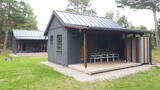 |
Brīvdienu mājiņas Jūvgumegi atrodas Kurzemes reģiona Mazirbē, Slīteres nacionālajā parkā. Viesiem tiek piedāvātas četrvietīgas un divvietīgas naktsmītnes ar bezmaksas privātu autostāvvietu. Visās ir pieejama virtuve ar ledusskapi un plīts virsmu, kā arī tualete, duša izvietota uz terases. Līdz liedagam 400m. |
|
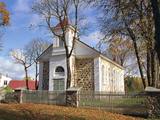 |
St. John the Baptist Roman Catholic Church of Nagļi was built
in 1862 by landlord Nābels. Some time ago, Nagļi Church was a branch of Viļāni Church. The Bernardian
monks served there. After the closing of the cloisters in 1930s, the church was served by priests.
|
|
 |
Atrodas Īvandes dienviddaļā, Vankas upītes krastos. Ūdensdzirnavas celtas 1842. gadā (par to liecina arī sienā iemūrēts dzirnakmens) un darbojas joprojām. To iekārtas ir saglabājušās no 1930. gada. Divstāvu ēka apskatāma no ārpuses, bet iepriekš piesakoties, - arī no iekšpuses. |
|
 |
Puises „centrā” uz vienstāvu koka mājiņas jumta izveidota skatu platforma. No tās paveras laba ainava uz ciemu, ostu un piekrastes kadiķu laukiem. |
|
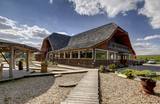 |
Lieliska vieta svinībām vai atpūtai Minijas ielejā Žemaitijā. Kafejnīca 100 pers. un konferenču zāle, kuras izvietotas 6 ha lielajā teritorijā. Spēļu laukumi gan bērniem, gan pieaugušajiem. Kanoe, burbuļvanna un pirts. Nakšņošanai viesnīcas numuriņi, koka namiņš vai 2-zvaigžņu kempings. Pieejama ēdināšana. |
|
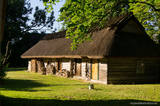 |
Third biggest island in Estonia. Full of beautiful grown junipers, little dolomite outcrop on the coast of the sea and fishermen villages on the coastline. |
|
 | ||
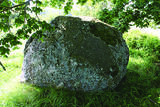 |
The great Black Plague rock, which has engraved text that can still be seen
to a certain extent – it tells future generations about the local pastor who died
from the plague, about how the parsonage was established at Sīkrags and then
moved to Mazirbe. The rock is also a monument to six pastors of the nearby
congregations. All the three stones tell about the horrors of the Black Plague in
1710, the texts have been engraved during the parson Peterson in 1711-1734.
|
|
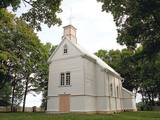 |
Roman Catolic Church of Puša was built in 1743. Financed by Count Šadurskis; managed by Jesuits
mission. There is on organ and 3 altars in the church.
|
|
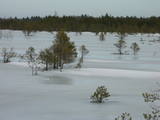 |
A comparatively large swamp to the North of the Zaļā dune, this is an important place for sulphurous waters, just as is the case with Zaļais swamp. The swamp is cut in two by the 3.5 km Ķemeri-Antiņciems road, from which interesting landscapes can be seen. The road is not appropriate for cars, however. To the East of Raganu swamp is Lake Putnezers, which is difficult to access. There is a small car park with an information stand on the shore of Lake Melnezers alongside the Ķemeri-Jaunķemeri road. The historical and overgrown Old Ķemeri road can be used to get to the seashore from this location. |
|
 1 day
|
After passing through Sigulda, the Forest Trail follows the River Vējupīte to Paradīzes Hill, where a steep staircase leads down into the ancient valley of the River Gauja and the ravine of the River Vējupīte. It continues to wind down smaller paths through meadows, crossing small rivers whose banks reveal sandstone outcrops. The last six kilometres of this section follow a smaller path down the Līgatne Nature Trails. You can see local wildlife animals and birds on this 5.5 km long trail. Further on the Forest Trail moves up the hills of the ancient valley of the River Gauja, before descending back down into the deep ravine of the River Līgatne, where the village of the former Līgatne paper mill is located. You can explore this attractive small village, visit the Līgatne spoon factory, winery and Līgatne caves. There is also the Līgatne Net Park with 4-7 m high net labyrinths among the treetops. This part of the Forest Trail and Gauja National Park is characterised by a gradual transition from diverse, deciduous forests (ash, grey alder, oak, birch, linden) to coniferous stands. |
|
 |
After the death of the Kalnasikšņi oak tree, which was the mightiest tree in the Gauja National Park, the mighty Kvēpene oak tree has taken over that role. It has a circumference of 6.1 m, a height of 20 m, and a crown which measures 28 x 30 m. The beautiful tree is on the right bank of the Gauja River valley and is one of the most excellent trees in Latvia. Near it is the forested Kvēpene castle hill, as is the Svētavots stream, which is reputed to have medicinal waters. To the North of the castle hill is the Rūsiņš hillock, which offers a good view of the surrounding forests, the towers of the city of Cēsis, Ieriķi, and the Rakšupe estuary at the Gauja. There is a bench at the top of the hillock from which lovely sunsets can be seen. |
|
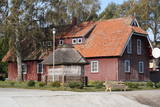 |
Ein ehemaliges Fischerdorf am Ufer des Kurischen Haffs. Aufgrund der Wanderdünen hat seinen Standort mehrmals seit dem Anfang des 19.Jh. geändert. Holzbebauung mit einheitlichem Stil und Traditionen. |
|
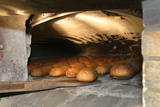 |
Lāči brand bread is popular in Latvia and abroad, because the bakery uses ancient mastery and skills. Baking traditions are supervised by 2 master bakers and 4 journeymen. You can take a tour of the bakery, knead and bake your own little loaf of bread, have lunch at a cosy saloon and purchase the bakery’s products. Lāči uses its own ingredients for its dishes, combining them with seasonal products from local farms. The bakery shop offers a wide range of products from bread to confectionery. Latvian cuisine: Cream of mushroom soup, various hot potted dishes, bread soup, baker’s dessert. |
|
 |
The theme park of wise men of Gotham (Kilpla) is located in Müüsleri village; the park’s attractions arise from legends told in Germany some 400 years ago. Gothamites are funny characters famous for their irrational, impractical and foolish actions. Fun-packed tours and activities are on offer along with craft workshops, themed souvenirs, catering (groups should book in advance), and grounds for pitching tents. |
|
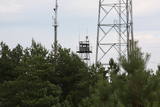 |
The military communications facilities at Pāvilosta are along the southern part of the town. The facilities are owned by the local government, and there is no information about their use at this time.
|
|
 3 days
|
Маршрут предусмотрен для опытных туристов, кому нравиться объединять наплюдения за природой с познанием культурной среды и истории. Это путешествие по самой впечатляющей речной долине в Балтии – древней долине Гауи. Маршрут начинается в Сигулде, которую с давних пор называют «Видземской Швейцарией». В окрестностях Сигулды открываются одни из красивейших пейзажей в Латвии. Маршрут пересекает глубокие овраги многих притоков Гауи и открывает внушительные в масштабах Балтии обнажения песчаника девонского периода. Природные тропы Лигатне – это единственное место в Латвии, где в условиях, максимально приближенных к естественной жизни в природе – в широких вольерах – можно увидеть разные виды диких животных. Поселок бумажной фабрики Лигатне – это великолепный пример индустриального наследия европейского масштаба со своеобразной средой поселка 19-го – 20-го веков. Цесисский средневековый замок – это мощная крепость средневековой Ливонии с современным центром для посетителей. Конечный пункт маршрута в Валмиере, одном из старейших городов Латвии. Информация о маршруте от Latvijas Lauku forums |
|
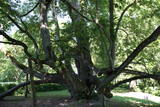 |
This is Latvia’s largest small-leaved lime tree (Tilia cordata). Some of its mighty branches are held up by supports. There are large holes in the trunk that have been covered up to prevent water entering the holes and causing even more rot. Just like many other trees of this size, this was a sacred tree in the past
|
|


