
| No | Name | Description |
|---|---|---|
 |
Saimniecība nodarbojas ar tīršķirnes trušu audzēšanu, papildus tam audzē arī dažādu šķirņu mājputnus. Saimniecībā var apskatīt trušus, mājputnus, eksotiskos putnus, murkšķus, aitas, kazas, pudurkzas un punduraitas. Visi dzīvnieki izvietoti divos norobežotos voljēros, kur nesteidzīgi var apskatīt dzīvniekus, uzdot interesējošos jautājumus saimniekam. Pēc pastaigas ir iespēja sarūpēt sev maltīti ugunskura vietā un atpūsties lapenē. |
|
 2 days
|
This section of the seacoast of Vidzeme is of outstanding scenic beauty with a lot of rocky capes and boulders in the sea alternating with small, sandy coves where the small streams and rivulets, which dry out in summer, flow into. Occasionally, the beach is completely covered with the gray backs of stones. In Zvejniekciems you need to make a detour around the estuary of the Aģe River and the Skulte port. In some places, small patches of reeds appear, while near Tūja you will see the first sandstone outcrops. Some part of the route can be covered via the beach or via a trail meandering through the dune forest with old pines. At the end of the route, you can see the unique lamprey fishing method - Svētupes nēģu tacis. |
|
 |
Taka izveidota Limbažu Lielezera ZA galā, tā ir 3.6 km gara vienā virzienā. Ezeru ziemeļu galā izbūvēts putnu novērošanas tornis. Izbūvēts bērnu rotaļu laukums, labiekārtotas atpūtas vietas, izveidota laivu piestātne. Pāri Donaviņai izveidots gājēju tiltiņš uz pontoniem. |
|
 |
Auf einer hohen vom Wald bedeckten Düne, wo sich in 14 – 15 Jh. ein heidnisches Heiligtum und eine Sternwarte befand, wurde 1869 eine Kapelle und Skulptur erbaut. Eine Geschichte über Priesterin Birute, die das Großfürsten Kestutis geheiratet und den Sohn Vitautas geboren hat. |
|
 |
Das größte Wissenschaftszentrum Baltikums mit Möglichkeiten, mitzuarbeiten und zu experimentieren. Ein Planetarium. |
|
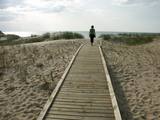 |
The trail tells about the protected nature area which is found in Riga city and has been established to protect the seashore habitats (forests, meadows, reeds, dunes) and the birds, populating the daugavgrīva meadows. There is a bird watching tower with facilities for people with special needs.
|
|
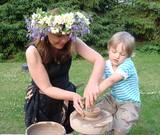 |
The craftswoman uses clay, rocks and other materials to produce dishware and various interior design objects, finishing them in an open kiln. Visitors can take an informational tour, watch the craftswoman at work, and sit down to produce their own cups. Guests are welcome to attend the opening of the kiln. |
|
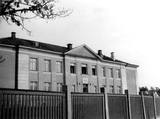 |
The roots of Saulkrasti Secondary School reach back to Pabaži, to 1912, when a young teacher – Olga Veicmane (after marriage: Cīrule) arrived from Riga to teach the sea captain Reisons’ daughter. Soon many other tutor-seekers joined her and in autumn of 1912 a school was established in Pabaži. The school had a good reputation, and pupils came from the entire surrounding area. In January of 1913, the school was moved to more spacious premises at 20 Rīgas Street. |
|
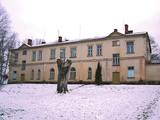 |
Bikovas Manor. The name of this manor is listed in the chronicle since the 17th century. You should see the manor house
and the park where you can find a stone chapel that was built in 1820, servant’s house, several household buildings
and stablings. After the fire of 1905, the building was reconstructed and the second floor was built. Since
1937, the manor is serving as Gaigalava Secondary school. According to the legend, there are secret passages that
lead to the church and the cemetery. The building is the architectural monument of local importance.
|
|
 |
A small food producer in Vidzeme, which is engaged in the processing of vegetables, fruits and berries, producing healthy snacks without sugar and flour. Offers tasting tours, master classes on vegetable truffles and healthy cakes, actively involving guests. Soon there will be a lunch offer - a special kale cabbage soup. |
|
 |
The farm store Leppanide is only a 15-minute drive from Kärdla. The farm breeds goats and sheep, as well as grows various vegetables. |
|
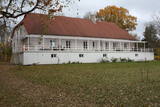 |
Muiža vēsturiskajos avotos ir minēta jau 1560. gadā. Tagad redzamā kungu māja ir celta no akmens 1805. g. Padomju laikos tajā atradās Matsalu rezervāta administrācija, bet mūsdienās ēkā ir izveidota viesnīca. Līdz muižai nokļūstam pa skaistu aleju, kuras apkaimē ir redzamas citas muižas kompleksa ēkas. |
|
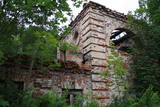 |
Atrodas Kraujā – Daugavas ielejas krasta malā un nogāzēs. Atrodama informācija, ka šajā vietā Livonijas kara laikā atradusies krievu karaspēka nometne. Muižas nosaukums cēlies no vācu Hof zum Berg – „Kalnu muiža”. Pēdējie muižas īpašnieki līdz 1. pasaules karam bija grāfu Šahno dzimtas pārstāvji. Viens no tiem – Marians Šahno 1910. gadā uzceļ muižas pili, kas bija būvēta eklektisma formās. Daļēji nojaukta tā pārdzīvo padomju laikus, līdz 2002. gadā nodeg. Līdz mūsdienām saglabājušās vien ēkas sienas, kuras slēpj biezs augājs. Var tikai iedomāties, kādi skati šeit kādreiz pavērušies uz Daugavas ieleju! Muižas parks ir vietējo iedzīvotāju pastaigu vieta. |
|
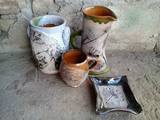 |
The ceramicist works in the household building of the Durbe Castle. You can watch her at work, try your hand at ceramics work, order artworks and purchase clay souvenirs. You can also tour the Durbe Castle complex, which is undergoing renovations at this time (2013). |
|
 |
Lauku sēta atrodas Džūkijas nacionālajā parkā. Saimniecībā iespējams pašiem ar saimnieces nelielu palīdzību pagatavot tradicionālos dzūku ēdienus veco laiku maizes krāsnī. Kulinārais mantojums un izglītības programmas. Piedāvā arī nakšņošanu. |
|
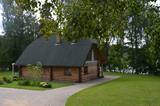 |
The holiday houses are located near Lake Ieva, 30 m from the lake shore. On the 1st floor of the holiday house - lounge with fireplace and glazed veranda, sauna (50.00 EUR / evening), small kitchenette, toilet. Outside-small terrace overlooking the lake. On the 2nd floor there are 2 isolated rooms and 10 beds. By the lake - a fireplace, a well-groomed swimming area with a footbridge. Boats and catamarans can be rented. |
|
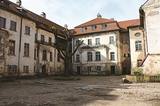 |
Dundaga baron once was one of the largest landowners of Courland, therefore during the second half of 19th century around the estate formed centre of economic and social life. Dundaga Central Square is dominated by its water tower, behind which starts Dakterleja, where from 1844 to 1854 worked one of the first ethnic Latvian doctors and linguist, J. Bars. Until the sixties of the 20th century from the Dundaga through Mazirbe and fishermen villages to Ventspils ran a Narrow gauge train. Today Dundaga attracts tourists with its spectacular castle, the Lutheran church, crocodile sculpture, Eizenberga pottery workshops and other objects. |
|
 |
Uzcelts Kaņiera pilskalnā un ir Kaņiera pilskalna takas sastāvdaļa. No torņa paveras izcila Kaņiera ezera dienvidrietumu daļas ainava ar niedru saliņām un nelieliem atklāta ūdens laukumiem. Laba putnu vērošanas vieta. |
|
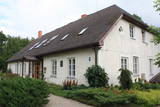 |
All that remains today is the governor’s house in which the Latvian author Rūdolfs Blaumanis (1863-1908) lived from 1885 until 1887, and a stable built of fieldstones. The Central Daugava Forestry Centre of the Latvian State Forests company is located in the building. The stone gates of the
|
|
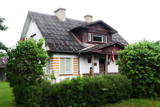 |
Ezeres kultūrvēstures un novadpētniecības materiālu krātuve “Muitas nams” ir izveidota vēsturiski nozīmīgā ēkā, kur, II pasaules kara noslēgumam tuvojoties, 1945. gada 8. maijā tika parakstīts Kurzemes katlā ielenkto vācu karaspēka daļu kapitulācijas akts. Ar to tiek uzskatīts, ka Ezerē faktiski beidzies II pasaules karš. Krātuves materiālu ekspozīcijas ir no Ezeres pagasta senvēstures līdz šodienai, tai skaitā ezernieku vaļasprieki. |
|


