
| No | Name | Description |
|---|---|---|
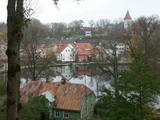 |
The historical centre of Talsi, which is known as the town of nine hillocks. The historical construction around Baznīckalns hill, Lake Talsi and Lake Vilkmuiža mostly dates back to the 19th century. Lielā Street is particularly beautiful with its low-rise buildings (two or three floors and ridged roofs). There are beautiful views from the area around Lake Talsi and Ķēniņkalns hill. |
|
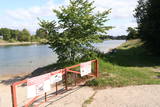 |
The Karaosta canal and its naval and submarine base date back to the tsarist era in advance of World War I. The former submarine base is now closed to visitors and is used for business purposes. The canal can be viewed from Pulvera Street and the restored Kalpaks bridge.
|
|
 |
SIA "Lubeco" audzē zemenes un cidonijas 7 ha platībā Talsu novadā, pie ciematiņa Lubezere, kas atrodas netālu no Valdemārpils. Uzņēmums jau gadu ir mājražotājs. Sezonas laikā zemenes pārdod svaigas, bet rudenī un ziemā pārstrādātas dažādos produktos. Cidonijas tiek pārstrādātas sukādēs, sīrupos un sulā. |
|
 |
Labiekārtota (informācijas stendi, atpūtas vietas) un marķēta taka, kas ved apkārt Kokšu ezeru virknei, kurā ietilpst Zāļu, Dziļais un Dibena ezers. Iepazīstami mežu biotopi, dzīvnieki un to darbības pēdas. Iespējami trīs dažādi takas izziešanas varianti: 7 km, 4,5 km, 2,7 km. Maršrutu var braukt ar divriteni. Ietilpst Ziemeļvidzemes biosfēras rezervātā. |
|
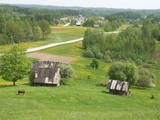 |
One of the most distinct sub-glacial depressions in Latvia, with 11 lakes of various sizes and depths. This is a magnificently lovely territory, with particularly good views from the Drusku castle hill. On a clear day, one can even see the Hanja highlands of Estonia. The restricted territory was set up to protect boreal and hillside forests I the area.
|
|
 |
Port accommodation Kihnu delights guests with mostly local food - if something is needed on the island, Estonian products are preferred. Local foods are mostly prepared from fish and home-grown vegetables. |
|
 |
The "Pastnieka maja" restaurant is an old restored building in Old Liepāja. Legend has it that a postal carrier named Arvīds used to live there, and the building has been praised for its interior design. The menu offers an attractive look at the life of Arvīds, and it is up to you to believe or disbelieve those stories. Latvian cuisine: Cold soup, sorrel soup, oven-baked cod, catfish and plaice filet, grilled pork ribs, porridge with a bacon and onion sauce, potato pancakes, crepes, stacked rye bread. Special foods: Smoked cod with potatoes, onions and dill in a ceramic ramekin. |
|
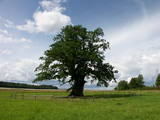 |
This is the second thickest tree in Latvia and the Baltic States. There is a large and open hole in the trunk of the tree. Like most trees of its size, it has suffered lightning damage. The tree is a wonderful part of the landscape, and a little wooden fence has been put up around it.
|
|
 |
The Iesalnieki-1 farm is in the Vietalva Parish in the Pļaviņas Administrative District. It grows rapeseed, barley, wheat and grasses on 180 ha of land. The farm is run by two brothers who manage more than 800 ha of land in all. |
|
 |
The Tado Ivanausko farm and apple orchard have a memorial museum that is in Ringaudosa in the Kaunas District. The memorial farm has a house in which the museum is located, a gardener's house, a poultry coop and a garden and park that cover approximately 4 ha. The name of the location is based on very floral and fertile apple trees. |
|
 |
Iespēja atpūsties un relaksēties pirtiņā, baudot latviskos pirts rituālus. Sildīšanās un pēršanās ar pirtsslotām, augu skrubji un maskas, kāju vanniņas un zāļu tējas. Pēc pēriena – veldze dīķī. Pirts tā ir svētnīca miesai, garam un dvēselei. Piedāvājumā arī izglītojošā programma par augu spēku un to izmantošanu savai labsajūtai. Apmeklējums noteikti iepriekš jāpiesaka! Vietu skaits ierobežots! |
|
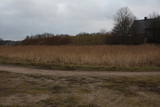 |
Until the 1680s, where the Vecdaugava neighbourhood is located, there was a castle which, because of natural changes in the riverbed of the Daugava, was then dismantled and “moved” to the Left Bank of the Daugava. Nothing remains of the castle, but people can still see the remnants of old barriers and moats. Swedish soldiers used the facility at the beginning of the Great Northern War. The place is certainly interesting in the context of Rīga’s history and military heritage, and if you’re in the northern reaches of the city, we recommend that you go and have a look.
|
|
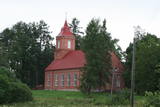 |
Līdz 18. gs. šajā vietā bija koka baznīca, kamēr 1798. g. uzcēla mūra baznīcu, kas cieta 1. pasaules karā, bet 2. pasaules kara laikā to uzspridzināja. Tikai pusgadsimtu vēlāk - 1991. gadā tika uzsākti atjaunošanas darbi, kas joprojām turpinās. Tagad redzamais dievnams ir iepriekšējā līdzinieks. |
|
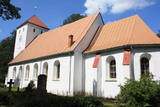 |
Šo sakrālo celtni uzskata par vecāko Zemgales baznīcu, kas joprojām pilda savu pamatfunkciju. Tās celtniecību uzsāka 1567. g. un pēc nopostīšanas atjaunoja 1614. g. Pēc poļu - zviedru un Ziemeļu kara to atkārtoti atjaunoja 1815. g. Dievnamu var apskatīt arī no iekšpuses. |
|
 |
Traķu pussalas pils austrumu mūrim pieguļ ar mežu apaudzis iespaidīgs pilskalns (uzved koka kāpnes) – t.s. Upurkalns, kurā pirms mūra pils celtniecības stāvējusi koka pils. 1779. g. dominikāņu mūki sagrautās Pussalas pils vietā uzsāka baznīcas celtniecību. Jau vēlāk – 1822. – 1823. g. vienā tās daļā uzcēla dominikāņu klosteri, bet otrā – kapelu. 1990. g. šeit izvietoja Traķu vēstures muzeja administrāciju, bet 2005. g. kapelā izveidoja Sakrālās mākslas izstādi. 2011. g. ēku kompleksā notika vērienīgi rekonstrukcijas darbi. |
|
 3 days
|
The Suiti are a community with among the most colourful and unique cultural traditions in Kurzeme and Latvia. This was confirmed on October 1, 2009, when the cultural territory of the Suiti was included in the UNESCO list of global intangible cultural heritage, thus indicating that the traditions must be preserved. The Suiti territory is also on the list of folk traditions that is part of the Latvian Cultural Canon. Manifestations of this intangible cultural heritage include traditional festivals, habits, oral traditions, traditional singing and musical skills, folk costumes and culinary traditions. Since 2009, the Suiti community has been undergoing a renaissance, with people actively working to restore traditions and ensure their sustainability and promotion at the local, national and international level. The survival of the cultural territory is in the hands of the Suiti themselves, and this is closely linked to the practices and the creativity of community representatives. The Suiti believe the development of tourism in their area to be of great importance in this. This means emphasising a niche in cultural tourism that is based on the broader promotion of the unique cultural heritage of the Suiti. |
|
 |
Atrodas pie Jēkabpils – Rēzeknes autoceļa (A 12), - autostāvlaukuma malā. No torņa redzama samērā plaša Teiču purva daļa ar atsevišķām salām (kokiem apauguši paaugstinājumi) augstā purva ainavā. Teiču purvam ir dabas rezervāta statuss, tādēļ apmeklējams ir tikai tornis. |
|
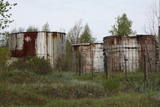 |
The former missile transport facility at Karaosta is not used any more. The territory is mostly closed off to visitors.
|
|
 |
Meklējamas Lizuma ciema dienviddaļā. Tās ir vienas no retajām vējdzirnavām (1880. g.), kas saglabājušās labā stāvoklī. Mūsdienās dzirnavas ir gleznotājas Ilonas Brektes īpašums. |
|
 |
Befindet sich im alten Rathaus. Das größte Silberkunstwerk Baltikums (wiegt mehr als 30 kg) und andere dekorative Gegenstände sind zu sehen. Auf der Dachkammer ist die einmalige Malerei im Stil des Spätrokoko zu sehen. |
|


