
| No | Name | Description |
|---|---|---|
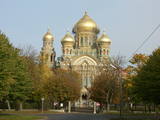 |
The city of wind, amber and musicians. In the literature sources Liepaja was mentioned for the first time in 1253. The city strived as a trade harbour already at the end of the 16th century. Especially important was the ruling period of Kurzeme Dukes Jacob and Friedrich, when the export and import of Lithuania and Kurzeme goods was provided through Liepaja harbour. Instead of the Līva River that was filled with dune sand a channel was excavated and wharf was formed. The growth of the city continued in the 18th century also after the Northern War and the plague epidemic. When in 1795 Kurzeme was added to the Russian Empire, as one of the most important western harbours of the Empire the harbour of Liepaja developed even more rapidly. From the end of the 18th century until the 19th century Liepaja also became a popular recreation place for the aristocrats of Petersburg. At the end of the 19th century the construction works of War Port and fortress begun. The city became a military strategic place. It suffered hard during World War II. In 1967 the sea trade harbour terminated its operation in Liepaja and Liepaja became a closed city where the War Port was "a city within a city". Today the War Port and its offer is one of the top tourism spots in Latvia. |
|
 |
Meklējams pie Gulbjiem – Dvietes senlejas informācijas centra. No torņa labi pārskatāma ūdeņiem bagātos pavasaros pārplūstošā Dvietes paliene, dzīvei savvaļā pielāgoto mājlopu aploki un izlīkumotā Dvietes upīte. |
|
 |
Opekalns (arī Apukalns, Opekols) ir paugurs Alūksnes augstienē, 235 metrus virs jūras līmeņa, Veclaicenes pauguraines viena no augstākajām virsotnēm. Tā virsotnē uzcelta Opekalna luterāņu baznīca (1774—1779), kas ir visaugstāk virs jūras līmeņa novietotais dievnams Latvijā. Opekalna ciemā dzimis leģendārais Dziesmu svētku virsdiriģents Haralds Mednis. |
|
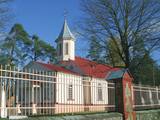 |
St. Cross Honouring Roman Catholic Church of Malta (Rozentova) is national architectural
monument. The church has a promiment „St. Mary Magdalene beside the Cross of Jesus” and three big
altars. The wooden log building was constructed in 1780. It was sanctified in 1782.
|
|
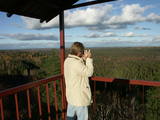 |
The viewing tower is in the southern part of the reserve, along the Ļaudona-Mārciena road and on the Madona-Trepe embankment. Here you can view a very wide territory all the way to the Vidzeme highlands, including Gaiziņkalns Hill if the weather is clear. At the foot of the tower you will see the lakes known as Small and Great Lake Plencis. |
|
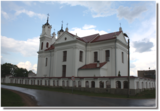 |
The Dviete Catholic Church is in the centre of the small village of Dviete. The white church can be seen from a distance. The first wooden church was built here in 1775 by the owner of the local estate, Count J.K. Wischling. Later the church was dismantled and brought the Zarinki cemetery. The Neo-Baroque Catholic church that is seen today has two towers, and its construction was financed by Count Kazimir Plater-Sieberg. The church was destroyed during World War I, and until it was rebuilt and consecrated, the granary of the Dviete Estate magazine, with its ridged roof, was used as a prayer house. It is on the side of the Dviete-Bebrene road and has recently been restored. In 1940, a stone fence was installed around the church with a tiled roof, and a building for the congregation was built in the 1970s. The church features a particularly ornate sacral Baroque interior, which is seen as the most ornate interior of its type in the former Daugavpils District. |
|
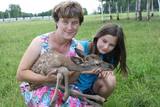 |
Some 250 deer graze on 100 ha of land in the Umurga Parish. The farm also offers a look at peacocks, rabbits, sheep, goats and a pony. Biological products are on sale, and visitors are welcome all year round.
|
|
|
|
The restaurant – pizzeria Tomato Pica is situated in the centre of the city of Jelgava, in the shopping centre Pilsetas Pasaza. Elegant and comfortable restaurant premises for enjoying your food, soft music in the background and polite, professional servers. Tomato Pica offers all classical types of pizza, baked using special sauce recipes and dough typical for Italy, as well as different salads, appetizers, desserts and drinks. The restaurant –cafe Tomato Pica is suitable both for family rest and for business lunches. |
|
|
|
Traditionelle Spielzeuge von verschiedenen historischen Perioden und Völkern. |
|
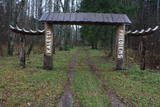 |
Kalētu muižas bijušais medību dārzs. Muižas laikos šeit ierobežotās platībās turēja meža dzīvniekus, kuru medības bija populārs muižniecības izklaides veids. Parkā uzmeklējams piemiņas akmens Krievijas imperatoram Aleksandram III, kurš šeit nošāvis briedi (irsi). No Kalētiem Latvijas teritorijā „ienāca” staltbrieži, kurus medību vajadzībām 1848. g. atveda no Vācijas. Parkā izveidotas takas un atpūtas vietas. |
|
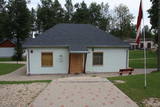 |
This is another place (at A. Brodeles Street 7) which must certainly be visited by those who are interested in the cultural environment of the historical region of Selonia. The museum was established in 2000, and much of its exhibition can be found at the depot of the former narrow-gauge railroad (the depot was built in 1948, and the railroad operated between 1916 and 1972). There you can see a restored locomotive, a passenger wagon, a trolley, etc. The exhibits reflect the lives of major personalities in and around Viesīte, also looking at events and the cultural heritage. There are wood processing and textile workshops at the museum. Outside the building is a fragment from the narrow gauge railroad, along with a water pump. |
|
 |
"Ziedlejas" offers sauna treatments and events in the contemporary design Glass Sauna, Smīma Spruce Smoke Sauna and Black Sauna, which is located in an unspoilt corner of the forest. The ritual sauna treatment includes heating, herbal compresses, herbal scrub, big beating, swimming in the pond, massage with healing oil and honey, vibrating with sound, tea, home-baked bread. The sauna treatment lasts four to five hours and is led by a sauna master. Various master classes are possible in connection with sauna rituals and the use of plants in healing and beauty care and the preparation of appropriate preparations. Bicycle rental is available, which includes access to the Ziedleju xc / enduro trails, bicycle training and bicycle guide services. It is also possible to organize and lead team building events, as well as team communication trainings. |
|
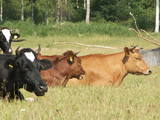 |
The farm grows peas, grits and beans, and it breeds cattle. Visitors can take a tour to learn about biodynamic agricultural techniques. |
|
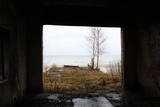 |
Today it seems unbelievable that just 20 years ago there were buildings on the coastline with massive projectors that were rolled onto a platform at night so as to shed light on the nearby sea and beach and to look for potential violators of the border regime. Only the buildings and the ruins of the platform are still there – they have been seriously damaged by the waves of the sea.
|
|
 2 days
|
Путешествие для гурманов и любителей путешествий, в котором будет возможность попробовать не только традиционные курземские блюда, как скландраусис и копчушка, но и блины, приготовленные из свежемолотой муки, крестьянский сыр, домашнее вино и другие дары села. Кроме дегустации даров села, будет возможность пройтись по природным тропам и познакомиться с культурно-историческим наследием. Информация о маршруте от Latvijas Lauku forums |
|
 |
Sprižu ģimenes bioloģiskā saimniecība "Dabas Gardumi" atrodas Mārupes novadā un tā apsaimnieko ogulājus 23 ha platībā. Audzē avenes, upenes, jāņogas, ērkšķogas, sausseržus, piparmētras, ābolus, plūmes u.c. Visas ogas svaigā veidā tiek piedāvātas sezonas laikā, kā arī tiek pārstrādātas, no kurām ražo dažādus augļu - ogu gardumus: augļu-ogu bumbiņas, salmiņus, sulas, marmelādes un tējas. Saražotā produkcija ir dabiska, garšīga, veselīga, šķiedrvielām un vitamīniem bagāta, jo pārstrādes procesā augļiem, ogām un garšaugiem tiek saglabāts pēc iespējas lielāks tā dabiskais sastāvs. Pārsvarā gardumi top no pašu izaudzētiem un savāktiem dabas izejmateriāliem (augļi, ogas, garšaugi), ražotajiem produktiem netiek pievienots cukurs, līdz ar to augļu-ogu gardumi ir lieliska gan ikdienas, gan svētku uzkoda kā maziem, tā arī lieliem baudītājiem. |
|
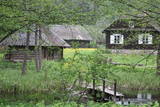 |
Salos, Vaišnoriškė, Strazdai, Šuminai sind die bewohnten Dörfe im Augštaitija- Nationalpark, in denen historische Einzelgehöfte mit Holzgebäuden erhalten sind. |
|
 |
Located in the Līva Hotel in Old Liepāja, the restaurant offers Latvian and global cuisine. It has an herb garden to produce ingredients for the dishes. Latvian cuisine: Low-salt herring with cottage cheese, stuffed crepes, potato pancakes, sautéed pork ribs, venison with juniper berries, roast leg of duck, roast filet of pike-perch with grits, smoked herring filet. Special foods: Smoked cod with potatoes, onions and dill in a ceramic ramekin. |
|
 |
Atrodas Valmieras – Ainažu autoceļa (P 16) malā starp Matīšiem un Aloju. Iekārtota vecajā un atjaunotajā dzirnavu ēkā. Nedēļas nogalēs piedāvā izklaides pasākumus, klāj galdus un īrē telpas svinībām. |
|
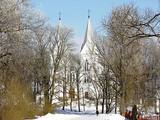 |
Holy Jesus Heart Roman Catholic Church of Bikova
(Gaigalava). Enjoy the Gothic forms and architectural design of the church. The church and the altar are
decorated with the icons of Zebedee sons – James and John (the apostles of Jesus) and other saints.
|
|


