
| No | Name | Description |
|---|---|---|
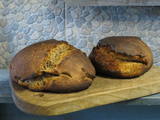 |
Sweet and sour rye bread is baked here on the hearth of a wood-fired oven, following an old family recipe and using home-grown, historical varieties of rye flour. The dough consists of rye or barley flour, salt, sugar, caraway seas and natural yeast. You can help to bake the bread, taste and buy it, and tour the farm’s museum. The farm grows its own grain in an environmentally friendly way. Available for purchase: sweet and sour rye bread, sweet and sour rye bread with peas, garlic, seeds, hemp, or without sugar. |
|
 |
Medinski Vincīši boulder also called Magoņkalns (Poppy hill). Red rapakivi granite boulder is found
in the tree cluster only 40 m to the left of Jaunviļāni – Medinski road and about 40 m from the right side of
the river Malta. The boulder is 6,6 m long, 5,4 m wide and 3,3 m high. The circuit of the boulder is 20 m
and the volume 40 – 45 m3.
|
|
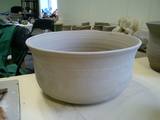 |
This crafts centre is located at the former Svēte Estate, and it organises creative workshops. You can purchase ready-made or commission original ceramic ware. |
|
 |
Atrodas Rendā, pie tilta pār Abavu. Mazs, jauks krodziņš, kas atrodas vēsturiskā ēkā ar patīkamu interjeru. Piemērota maltītes ieturēšanas vieta ne tikai tiem, kas pārvietojas pa ceļu, bet arī Abavas laivotājiem. Strādā g.k. vasaras sezonā. |
|
 |
The saloon is in the 250-year-old servants’ home of the Rundāle Castle, with a brick floor, pot-bellied stoves, a smokestack and other historical objects. Meals are served on antique dishes, and hot beverages are served in cups from the Kuzņecovs Factory. Latvian cuisine: Roast ham with eggs, potatoes with mushroom sauce, roast goose, crabs boiled with dill, pancakes with honey, bread soup with whipped cream, stacked bread, country teas, apple pie. Special foods: Pork shish kebab with oven-roasted potatoes. |
|
 |
Atrodas pie tilta (Akadēmijas iela 1) pār Lielupi. 1574. g. pēc Kurzemes – Zemgales hercoga Gotharda Ketlera pavēles uzsāk jaunas baznīcas celtniecību. Dievnama tornis tapa laikā no 1686. g. – 1688. g., bet 1862. g. to paaugstināja līdz 80,5 m. Baznīca nodega padomju aviācijas uzlidojuma laikā 1944. g. 27. jūlijā. 1954. g. Padomju armijas sapieri uzspridzināja ēkas atliekas. 2009. g. sākās baznīcas torņa rekonstrukcija un šobrīd tajā izveidots izcils interaktīvais muzejs (īpaši draudzīgs bērniem) un stiklota skatu platforma. |
|
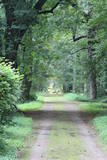 |
This is the oldest arboretum in Latvia. It was planned by the owner of the Skrīveri Estate, Maximmilian von Sievers (1857-1919). It has to be said that before World War I, there were two times more species of plants in the park than is the case now. The plants are grouped in accordance with the geo-botanic regions of the world. There are trails in the park, and signs showing the Latvian and Latin name of each plant are there, as well. There’s a fountain which is operated from every hour on the hour from 11:00 AM until 11:00 PM from Tuesday until Sunday. On the other side of the Rīga-Daugavpils highway is the Skrīveri Forest Park with hiking trails.
|
|
 |
Inviting and cosy café in the very heart of Alūksne, with a wide menu for different tastes. Special dishes of the Alūksne area are also served here – salad “Temple Hill”, main course “101 Steps until the Moment of Pleasure” and the dessert “Marienburg Lake Islands”. We offer business lunches and monthly specials, as well as a children's menu. |
|
 |
The owners are in the process of renewing a more than a hundred-year-old wooden barn, where they plan to organize creative workshops for young people, with the participation of a blacksmith, carpenter and other craftsmen. The owner teaches how to plat a paling. There is a possibility to get to know farm animals – rabbits, chickens, ducks, goats, etc. The house of useful arts is going to be opened in May 2014 |
|
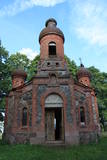 |
Dievnamu (atrodas Skujenes – Vecpiebalgas ceļa malā) 1872. g. cēla pirmais izglītotais latviešu arhitekts Jānis Frīdrihs Baumanis (1834. – 1891.), kas ir vairāku pazīstamu celtņu – J. Vītola Mūzikas akadēmijas, Rīgas cirka, Valsts bankas u.c. ēku projekta autors. Padomju laikā Māļu baznīcā atradās tukšās taras pieņemšanas punkts, bet mūsdienās – saglabājies tikai ēkas ārējais veidols. Baznīca apskatāma arī no iekšpuses. |
|
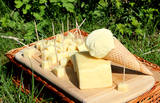 |
This summer terrace café is on the beach of the Preiļi park, and it offers 100% natural ice cream with berries, as well as fresh pancakes. The café is only open from Mother’s Day (May 8) until Father’s Day (September 11). Tourist groups are offered tours and tastings of cheese-based ice cream. |
|
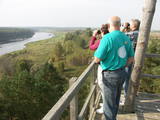 |
The old wooden tower at this site was torn down and replaced with the one that is there now. The restored tower offers one of the loveliest views in Eastern Latvia – one of the eight curves of the Daugava. This is the Rozališki curve. Here you will get a whole new sense of the Daugava River and its mighty valley in a place where the waters of a hydroelectric plant bubble away in our present day and age. It is claimed that the scene that is seen on the 10 lats note is based on the view which can be seen to the West from the tower. |
|
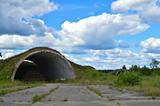 |
During Soviet times, Vaiņode was the site of one of the Soviet Union’s largest military airfields in the Baltic States. During the period of Latvia’s independence, the country’s first dirigibles were based here. Eventually their hangars were dismantled and brought to Rīga, where they were used for the Rīga Central Market. They are still there today. Some of Latvia’s first gliders took off from Vaiņode. During the Soviet occupation, the airfield was home to an air defence and destroyer squadron, with 38 SU-27 “Flanker” destroyers on site. After the restoration of Latvia’s independence, the Vaiņode airfield was dismantled in part, and the big plates of concrete that covered the runways and the rest of the airfield were used to improve the Liepāja port. There are still 16 hangars at the airport, and 1,800 of the formerly 2,500 metres long runway are also still there. More information about the airfield can be found at the Vaiņode Regional Research Museum.
|
|
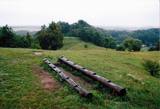 |
In the central part of the Žemaitija Highland, this park was established to protect local landscapes. Lithuania’s highest hillocks are found here – Mėdvegalis (235 m above sea level) and Šatrija (229 m). There are also other hillocks which offer a great view of the area – make up your own tour here.
|
|
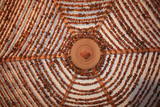 |
This is a unique opportunity to watch the work of various craftspeople (amber workers, jewellers, weavers, seamstresses, etc.) and purchase their masterful work. You will see the world’s longest amber necklace (123 m, 19 kg!!), which was made with bits of amber that were contributed by local residents. Creative workshops are organised for children. |
|
 |
This is a brewery in a lovely part of Lithuania known as Little Switzerland, surrounded by forests, lakes and castle hills. "Čizo" beer is light, unfiltered and alive, and it is produced on the basis of ancient traditions with forest bee honey. The brewer has not just a recipe, but also equipment so that he can offer a look at ancient methods of beer brewing. |
|
 |
Bioloģiskā saimniecība nodarbojas ar Irbeņu ogu audzēšanu un dažādu to produktu ražošanā kā pulverus, sulas, tinktūras, eļļas, sejas maskas un kapsulas. Irbene ir vērtīgs ārstniecības augs, kur izmantojamas ir pilnīgi visas tā daļas – lapas, ogas, sēklas, stumbrs, miza, sakne un ziedi. |
|
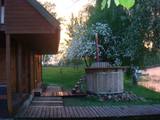 |
During warm weather, the owners of this guesthouse offer foods cooked outdoors -- plov, omelettes and pierogi. Vegetables grown at the farm are used in the dishes. |
|
 4 days
|
This is a professional livestock farming tour to visit farms that breed cows, sheep, goats and pigs. During the introductory day, participants will tour the Latvian capital city of Rīga, which is on the UNESCO List of World Heritage, and meet with representatives of the Latvian Agriculture Ministry and agricultural NGOs. The next morning it’s off to Kurzeme to visit a farm that breeds meat cattle. The second farm on the list specialises in the breeding of purebred and mixed breed cattle for siring, fattening and meat production. It sells piglets and offers pork, grains, potatoes and beekeeping products. In the evening we will visit Kuldīga to see Europe’s widest waterfall on the Venta River. The next morning we will travel to Vidzeme, where the first farm specialises in livestock breeding and intensive farming, while the second specialises in dairy farming and the production of grains and grasses. We will visit the ruins of the Koknese castle, which stands along the banks of the legendary Daugava River. In the evening, we will visit one of the largest goat farms in Latvia, with some 160 purebred goats (Alpine, Anglo, German White Noble), as well as hogs for breeding. Several types of cheese will be available for tasting. The next morning, we will visit one of Latvia’s largest sheep farms. The biological farm has about 250 head of sheep. The second farm grows grain and grasses and engages in dairy farming and livestock breeding. We will visit the Medieval castle in Cēsis, which was the residents of the masters of the Livonian Order and one of the most fortified fortresses in the territory of the Baltic States. At the conclusion of the day, we will go to Ungurmuiža Estate, which is one of the most outstanding examples of 18th century Baroque wood construction in Latvia. |
|
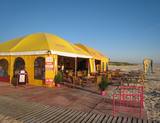 |
Beach cafe at the end of Jūrmalas Street, by the beach, in Liepāja. Live music in the Wind Garden on Wednesdays, Fridays and Saturdays. Offers breakfast, lunch, dinner, coffee and drinks. |
|


