
| No | Name | Description |
|---|---|---|
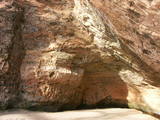 |
For more than a century now, the Gūtmaņa cave has been a popular tourist destination. It is the widest (12 m) and highest (up to 10 m) cave in Latvia. It is more of niche, actually, because its depth is just 18.8 metres. The cave is an interesting geological monument, as well as an important cultural and historical place with lots of legends, among which the most popular one centres on a woman called the rose of Turaida. It seems, however, that of the greatest historical values are the engravings on the walls and ceilings of the cave. The oldest date back to the late 17th century. A stream flows out of the cave, and it continues to shape it. People believe that the water from the stream has medicinal properties. Nearby there is Tourist Information Centre Gutmanala. Office hours: 01.05.-30.09. from 9.00 – 19.00; 01.10.-30.04. from 9.00 – 18.00. Prices for parking: 1 car EUR 2,50; 1 minibus EUR 5,00; 1 bus EUR 7,00. |
|
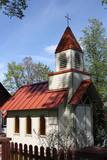 |
Preiļos, blakus viesu namam „Pie Pliča” (Raiņa bulvāris) ikviens var apskatīt un ieiet Latgales un Latvijas mazākajā dievnamā – kapelā. |
|
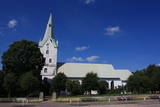 |
Atrodas pilsētas centrā - Tirgus laukuma malā. Dievnams tapis 1495. g., pēc Livonijas ordeņa mestra Valtera fon Pletenberga (~ 1450. – 1535.) pavēles. Gadsimtiem ritot, ēka pārbūvēta un tagad redzamais tornis celts 1907. g. Baznīcā apskatāmi nozīmīgi kultūrvēstures pieminekļi: altārglezna “Golgāta” - H. Kīperta darināta kopija (pēc K. Arnoldi Kandavas luterāņu baznīcas oriģināla (1864. g.)), muižniekam Fīlipam Drahenfelsam veltīta epitāfija (B. Bodekers, 16. un 17. gs. mija), A. D. Tīzenhauzenas kapu plāksne (1648. g.), kristāmtrauka pamatne (18. gs.) un piemiņas plāksne 1. pasaules karā un Latvijas Brīvības cīņās kritušajiem draudzes locekļiem (1925. g.). Ap Tirgus laukumu (atjaunots, jauka strūklaka) izvietojies Dobeles vēsturiskais centrs. |
|
 5 days
|
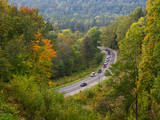
The Baltic Way was a unique demonstration at the Baltic, European and global level. Never before had the residents of three countries joined hands in a single chain to link the capital cities of the three nations – Vilnius, Rīga and Tallinn. The historical event occurred on the evening of August 23, 1989 and involved some two million people to recall events that had happened 50 years before – the conclusion of the Molotov-Ribbentrop Pact that allowed the two superpowers of the day, Germany and the USSR, to divide up spheres of influence in Europe before the new world war. The Baltic States lost their independence as a result of the pact. The chain of demonstrators was some 600 km long, marking out the Baltic Way from Bauska to Rīga and then on to Sigulda, Cēsis, Valmiera and Rūjiena. The route was known and used in the 14th and 15th century, or even earlier. Testimony to this is given by the mighty castle hill at Mežotne and the ancient port alongside it. The Bauska Castle was an important fort during the age of Livonia and, later, one of the residencies of the dukes of Courland. Sigulda was well fortified on the banks of the Gauja River, with three stone castles nearby. It was also a health spa. Līgatne is important in industrial terms because of the paper factory that is there. Āraiši is another ancient trade crossroad with a lake castle, ancient church, castle ruins and a famous windmill. Cēsis is one of the historical diamonds of Vidzeme with its old town, the old and new castle, and the majestic views of the ancient Gauja River valley at the cliffs of Ērgļi. Valmiera boasts of his St Simon’s Church, the Dāliņš stadium, its own theatre and the youthfulness of its own university college. In Rūjiena, there is a monument to the Bugler of Tālava, which was carved by Kārlis Zemdega and installed in 1937 to commemorate the liberation of Rūjiena. The monument survived all of the years after the war. The engraving, “the bugler had to die, but the Latvians heard his call,” is very much in line with the Baltic Way on August 23, 1989. |
|
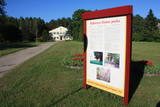 |
The Rubeņu (Rubenes) park dates back to the mid-1950s and is toward the north of Rubeņi, on the banks of the little Dzirnavupīte River. There are beautiful ponds, a stage, a rock garden and a playground for the kids. The cultural centre that is alongside the park features a monument to the poet Rainis which was unveiled during Poetry Days in 1969 and was produced by the sculptor Kārlis Baumanis. |
|
 |
Viitna Tavern is one of the few 19th C tavern and post station buildings preserved in Estonia to date. Originally landlords and other rich folk had their rooms and a horse stable in the building’s left wing; today it is a canteen and Estonian handicraft shop. The right wing was for peasant folk chambers and a stable; today it houses a restaurant featuring national dishes on its menu. |
|
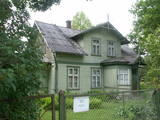 |
The Miervaldis Ķemers Museum (Durbes
street 21) is dedicated to a well known cultural
worker in Latvia (19021980) who was also a
clergyman and a painter.
|
|
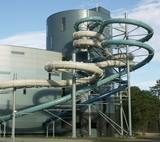 |
Der älteste und größte Kurort Litauens (seit 1794). Mikroklima (Luft der Umgebungswälder), salzhaltigee Quellen, Heilschlamm. Die Altstadt ist ein städtebauliches Denkmal. |
|
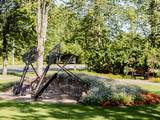 |
Parkā blakus pusloka tiltiņam ir novietotas trīs milzīgas dzelzs atslēgas, kuras balsta akmens mūris un metāla arkas. Tās simbolizē trīs vēsturiskos centrus un to vienotību – Siguldu, Turaidu, Krimuldu. Dobēs pie šī objekta sezonāli zied dažādi kultūraugi. |
|
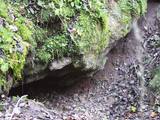 |
The castle hill of Rasnupļi (Opiņķi) is a significant place on the foot of the hill inhabited by ancient Latgalians.
You will notice Velna ala (Devil’s cave) also called small Staburags of Latgale (ancient cult place)
in the right side of the Vīce river. It is a small natural geologically unique formation (length – 3m, width –
2m, high – 0,6m). There are only two such caves in Latvia. There are 5 – 6 m long stalactites.
|
|
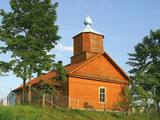 |
Lipuški Old-Believers Prayer House was built in 1893 at lake
Rāzna in village Lipuški. In former days, it was one of the largest Old-
Believers parishes in the Baltic countries; you will notice Old-Believers cemeteries that are placed in the
neighbourhood.
|
|
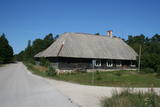 |
A school that was moved from Žocene was here during the 1850s, and it is alongside the Ģipka church. In 1938, a company from Dundaga opened a shop here to sell goods of basic necessity. (Source: Roja TIC) |
|
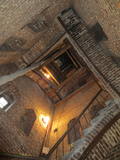 |
This is a unique example of industrial heritage – the only open munition factory in the Baltic States. It includes Europe’s oldest pellet pouring tower, and it is still used for that purpose today. Tours are available for those who contact the factory in advance, and a guide will lead groups through the factory, the tower and the museum. Today the factory manufactures nine types of bullets for smooth-barrel weapons, as well as bullets for pneumatic weapons. The products are exported to Germany and other countries. |
|
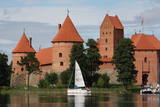 |
The Trakai Island Castle is the only East Europe's castle which is built on a little island. The process of building this castle started in 14th century. After its fall on 1410 during a war it lost its meaning as a military base and became a living place for ruler of Lithuania. Trakai Castle is one of the most popular objects in Lithuania for tourists. Inside the castle is a museum which tells about Trakai history.
|
|
 |
Elkas kalna saimniecība is located on the top of the scenic Elkas Hill, the place where the Gauja begins. Herbal teas, birch sap, jams and other healthy delicacies from local meadows and home-grown plants. There are also nature workshops, open-air picnic areas. |
|
 |
The guesthouse is on the shore of the Ancient Amata River Valley, and it was built with natural materials – local dolomite blocks. It serves ecological foods, including potatoes grown in bio-humus, wild berries and mushrooms, and country treats and greens from the guesthouse’s own garden. Latvian cuisine: Baked and grilled trout, beefsteak, wild mushroom and chanterelle sauce. Special foods: A puffy Eglaine cake made of rural eggs, pecan cake with ice cream. |
|
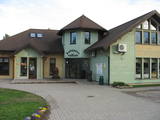 |
The café is on the banks of the Daugava River between Stukmaņi and Pļaviņas, offering a bakery, shop and café. There are dozens of types of bread, biscuits, tortes, cakes and other baked goods. Latvian cuisine: Dumpling or sorrel soup, farmer’s breakfast, eggs sunny side up, pork ribs, grey peas, potato pancakes with salmon, crepes, blackberry crème. Special foods: Liepkalni rye bread, bread kvass.
|
|
 |
Līdz 40m augsta ar mežu apaugusi Gaujas labā pamatkrasta nogāze ar vairākiem smilšakmens atsegumiem. Viens no tiem atrodas nogāzes lejasdaļā un veido 7m platu 5m dziļu nišu. Otrā krastā – vairākus metrus augstais Leimaņu iezis. Abi atsegumi atrodas aiz Amatas ietekas.
|
|
 |
SPURA iznomā SUP dēļus, organizē privātus, korporatīvus pasākumus un dažādus SUP piedzīvojumus Rojas un Irbes upē, kā arī citās ūdenstilpnēs (plašāka informācija par piedzīvojumiem atrodama www.spura.lv). SPURAS SUP dēļi piemēroti gariem pārbraucieniem, jogai, fitnesam, sportam, sacensībām un atpūtai, - tie piemēroti gan pieaugušajiem, gan bērniem. Nodrošinām ar visu nepieciešamo supošanas inventāru līdz 40 personām, nogādāsim līdz supošanas vietai, piedāvājam izstrādātus SUP maršrutus un piedzīvojumus, organizējam ūdens un citas sporta aktivitātes. Pieejama kajaku noma (vienvietīgi un 2+1vietīgi) laivošanai pa Rojas upi, to transportēšana Rojas upes apkārtnē. Iespējams iznomāt kajaku līdzņemšanai un doties uz sev izvēlētu ūdenstilpni. Iznomājam ūdens velosipēdu (katamarānu) braucienam pa Rojas upi un airu laivas. Pieejama hidrotērpu noma. |
|
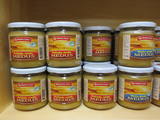 |
The owner offers tours of his beekeeping operation, with visitors wearing the necessary protective gear. You will learn about how honey is produced, watch a video, and be able to taste six or seven types of honey. If you wish, the owner will make pancakes for you. Products are available for purchase. |
|


