
| No | Name | Description |
|---|---|---|
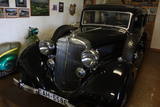 |
Pilsrundālē pa ceļam uz Rundāles pili var apmeklēt Retro auto kolekciju, kur apskatāmi 1939. g. automobiļi un dažādu laiku motocikli. Starp automobiļiem ir arī pasaulē šodien reti sastopami modeļi. Šī ir īstā vieta vēsturisko spēkratu cienītājiem! |
|
 3 days
|
Ventspils ir viena no attīstītākajām Latvijas pilsētām ar izcilu infrastruktūru, restaurētu vecpilsētu un Livonijas Ordeņa pili, tīru un labi ierīkotu balto smilšu pludmali, promenādi un dažādām izklaides un atpūtas vietām. Pilsēta ir piemērota ģimenēm, un bērni visvairāk izbauda Zilā karoga pludmali ar dažādām šūpolēm, slidkalniņiem, kā arī Bērnu pilsētiņu ar aktivitāšu zonām dažādu vecumu bērniem. Īss izbrauciens ar Mazbānīti, kas ir interesanta atrakcija gan bērniem, gan pieaugušajiem. Ūdens priekus var baudīt gan iekštelpu, gan āra akvaparkos. Dodieties izbraucienos pa tuvējo apkārtni, lai izbaudītu ainavisko jūras piekrasti, redzētu tradicionālos zvejnieku ciematus, kur iespējams iegādāties kūpinātas zivis tieši no zvejniekiem. Slīteres nacionālais parks ar skaistu skatu, kas paveres no Slīteres bākas, apburošā Kuldīga ar tās koka arhitektūru. |
|
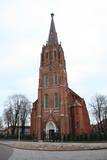 |
Находится в стороне от площади Куршу, ул. Э.Венденбаума, д. 1. Старейшая церковь города, сведения о которой сохранились с 1508 года. Первый храм на этом месте был построен из дерева. После неоднократных перестроек (последняя – в 1893 г. под руководством архитектора Лиепаи Пауля Макса Берчи) храм приобрел теперешний вид в неоготическом стиле с башней высотой около 60 м. Церковный интерьер славится одним из самых выдающихся шедевров времен барокко в Латвии – алтарем (резчик по дереву Николя Сефренс младший), который в 2012 году отметил свое 350-летие.Алтарь считается одной из самых выдающихся работ Восточной Европы того времени. Ретабло алтаря (5,8 x 9,7 м) известно тематическим циклом страданий Иисуса. В храме находится третий по величине орган Латвии, который построен по эскизам композитора и органиста Альфреда Калниньша. Церковь можно осмотреть изнутри и подняться на колокольню. |
|
 |
Karulas nacionālā parka lielākais ezers - 2,8 km garš, līdz 1 km plats. Ezera ziemeļaustrumu krastā atrodas parka apmeklētāju centrs. 5,5 m dziļais ezers ir gan zivīm, gan nostāstiem bagāta vieta. Ezera un tuvākās apkārtnes iepazīšanas nolūkā ir izveidota 3,5 km garā Ehijerva taka (Ähijärve teerada). Tās sākums atrodas pie iepriekš minētā apmeklētāju centra, kur izveidota atpūtas vieta un atraktīvs bērnu spēļu laukums. Taka sākumā ved gar ezera krastu, nelieliem mitrājiem un meža ceļiem, kas izmantoti iepriekšējos gadsimtos. |
|
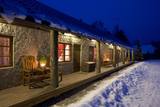 |
The farm, established in 1874, today provides comfortable tourist accommodation, saunas, an outdoor pool and organic food made to centuries-old recipes. Its little museum exhibits the exquisite needlework and farm tools of previous generations. All these items have a story to tell about their former owners´ dreams and work. |
|
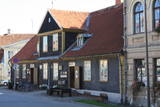 |
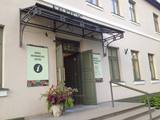
Painted in dark colours, this building dates back to the 17th century (the square around it is cited in documents). The city’s first prison was in the cellar of the building, and the square was historically a place for residents of the city could gather and suffer punishments. A pole of shame was at the south-eastern corner of the square. The building now houses the Kuldīga Tourism Information Centre and a workshop for weavers. Visitors can purchase products and souvenirs from Kurzeme and watch weavers at work. |
|
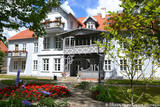 |
The Šilute Estate is often described on the basis of its last owner, Hugo Scheu, who bought the estate in 1889. He restored the estate's buildings and territory, also installing two parks, one for the estate, and the other one known as the "raven forest." Alongside the estate is an English-type park with strolling trails. The park is used by local residents and is on both sides of the curvy Scheu River, with the banks connected by pedestrian bridges. He park stretches to an old railroad bridge and has approximately 150 types of plants, including 40 types of trees and shrubs. |
|
 2 days
|
The Forest Trail follows small roads and trails through the woods. Along the route you will see the Ērģeļu Cliffs, where the observation terrace provides a great view of the impressive 700 m wide sandstone cliff and the beautiful natural landscape in the ancient River Gauja valley. One of the most beautiful places on the banks of the River Gauja is at “Caunītes” tourist lodging, where you will end the first day of the route. Further on the trail leads through pine forests and wetlands, across and around hills and slopes. One of the most beautiful views of the River Gauja opens from Sietiņiezis Rock, a 15 m high sandstone cliff where a circular 1.5 km trail has been constructed. Coming to Valmiera, you will reach the so-called “Dzelzītis” bridge (a narrow-gauge railway bridge) and continue walking along the River Gauja to Valmiera Centre. Sites of interest in Valmiera: St. Simon’s Church, ruins of the Livonian Castle and Valmiera Museum. There is also an adventure park “Sajūtu Parks” (“Park of Senses”), where you can walk on the barefoot trail, the tree-top trail and enjoy other activities. |
|
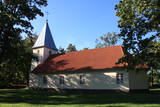 |
according to legend, was washed into the sea because of collapsing shores along with other buildings and the old road. The church was built in 1862 and has an altar painting from the late 19th century, "Mother of God," along with an organ. The metal elements of the building's doors are interesting. Hanging from the ceiling of the church is a sailing ship that has to do with the rescue of the crew of the sunken ship. |
|
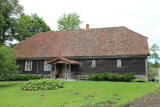 |
The manor is in Basi in the Gudenieki Parish of Kuldīga District, some 20 km from the district centre. The manor was built in the 19th century, burned down in 1905, and then restored. A former residence for servants and an old magazine barn have survived. The surrounding park covers 4.5 ha, and the estate is a cultural and historical monument of local importance. The barn was fully reconstructed in 2009 and 2010 with co-financing from the European Union, and today it is the Basi Culture Centre. In 2019, there is to be an interactive exhibition about Suiti events in Gudenieki -- baptisms, weddings, funerals, etc. |
|
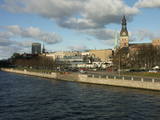 |
The classical skyline of Old Rīga can be enjoyed from several locations – Mūkusalas Street, between the railroad bridge and the stone bridge, from the stone bridge, from the A-B dam, from the grounds of the central office of the Swedbank bank, from the Vanšu bridge, and from the Ballast Dam at Ķīpsala. You can hike or bike from location to location. During the summer, little ships cruise up and down the Daugava to offer different views.
|
|
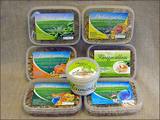 |
The farm produces mixes involving seeds from various plants – ones which are very healthy in terms of human nutrition. Visitors will hear stories, purchase products and taste hemp pancakes. The tour takes place at the “Mazais Ansis” saloon. |
|
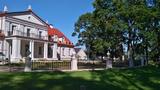 |
This mixed-type park dates back to the latter half of the 19th century and has remained all but unchanged. It is in a lovely place between two lakes, and its spatial structure was preserved when it was restored. The park covers 10 ha and has two parts. One is a fairly precisely rectangular territory alongside the state, surrounded by a stand of linden trees and introduced trees. The other part has a natural forest. The largest oak tree in the park has been declared to be a protected element of natural heritage. The mighty trunk of the tree is 6.3 m around, has a 2m diameter and stands 30.5 m high. |
|
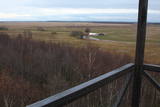 |
Suitsu tornis celts 1979. g. kā pirmais Matsalu rezervāta metāla tornis. To atjaunoja 1998. g. Torņa augstums ir 21 m, tādēļ no tā paveras izcila dabas un kultūrainava uz Kazari deltas niedrājiem un blakus esošo Suitsu upi (Suitsu jõgi), kuras krastā ir uzceltas vairākas zvejnieku laivu būdas. |
|
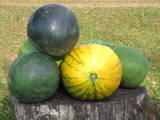 |
The owners began to grow watermelons in 1997, using types that are appropriate for the climate in Latvia. Of particular interest are watermelons which have a yellow interior. The largest watermelon that the farm produced weighed 11 kg. During the season, you can purchase watermelons and hear advice from the owners. |
|
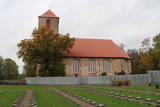 |
The graveyard that is alongside the Lestene Lutheran Church is the final resting place for more than 900 soldiers who fell during World War II, particularly during battles at the so-called Fortress of Kurzeme, as well as in Zemgale and Vidzeme. The sculptress Arta Dumpe designed the commemorative monument “Mother Motherland – Latvia.” The cemetery of the brethren is the second largest resting place for soldiers from World War II after the Cemetery of the Brethren in Rīga. The names of some 11,000 soldiers are engraved on the gravestones. |
|
 5 days
|
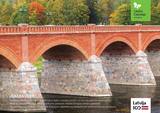
Duke Jacob of Courland was a ruler of the Duchy of Courland and Zemgale for 40 years (1642-1682). There were great changes during his rule, with the ship building industry developing rapidly, the first factories appearing, and agricultural output improving. The duke had a large fleet that brought grain, meat, butter, wool, timber and all that was manufactured at baronial estates in Zemgale and Courland to Western Europe. The fleet was so big and strong that its ships sailed not just to Europe, but also all the way to Tobago and Gambia, where colonies were established to bring sugar, coffee and spices to Europe. The duchy built ships, manufactured paper and saltpetre and wove textiles, brocade and tapestries. Iron manufacturing was highly developed, and ore was imported from Sweden. This made it possible to forge nails, anchors, bells, cannons and other firearms. The duchy produced vodka, vinegar and gunpowder for which there was great demand in Europe, because there were attacks and defences that required it. As much as 25 tonnes of gunpowder were produced each year. One of the gunpowder towers is still in Kandava, though it has been rebuilt many times. The duchy manufactured sails and ropes, as well as hemp ropes. It was said that the fleet of the Queen of England would not have existed without those ropes. The duke also thought about selection of grain, bred livestock, improved land with land reclamation and tried to expand output from his fields. Jacob did not manage to do everything that he wanted to do. A canal to avoid the Venta rapids was not finished, and plans such as the colonisation of Australia were not finished. Yet the era of Duke Jacob was a period of great change in the territory of Latvia, and it has not gone unnoticed that the great achievements of the duke occurred on a small plot of European land. That proves that wise management can ensure lots of progress. |
|
 |
The owner of the Russian farm (Vene talu) prepares delicious Russian national dishes according to her grandmother's recipes. Guests learn traditions and enjoy plenty of food. There is also a tea salon, and masterclasses for Russian cuisine. |
|
 |
One of the largest meat and dairy farms in Kurzeme, with a herd of around 500 heads of cattle. The farm also breeds most of the types of fowl that are known in Latvia. An informative tour is available, and you can purchase meat, milk and eggs. |
|
 |
Located on the side of the Daugavpils-Krāslava (A6) road in Naujene, the museum features a replica of the room of a wealthy Latvian farmer with household objects from the 19th and 20th century. Younger visitors will be interested in Latvia's only diorama, "Underwater World," which will introduce them to the inhabitants of the Daugava River. An outdoor exhibition, "Daugava of the Heart," has information about the protected Curves of Daugava Nature Park and the protected Upper Daugava landscape region, as well as local cultural and historical values. The museum offers creative workshops and educational programmes. There is an apple orchard to the east of the museum. On the opposite side of the road, is the Juzefova (Juzepova) Park, which once was a baronial estate owned by Duke Bogdan Shahno. It no longer exists. The park has pathways, relaxation areas and information stands about the history of the park and the most interesting trees that are found therein. You will need at least one hour to walk through the park. |
|


