
| No | Name | Description |
|---|---|---|
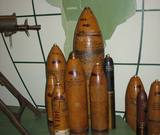 |
The museum is in Gunpowder Tower, which was an important component in the Medieval fortifications system of Rīga. The basic subject of the museum is Latvia’s military and political history, and exhibits are related to these subjects.
|
|
 |
The café is in the centre of Lizums and offers local foods. The interior design is based on Latvian ornaments. Latvian cuisine: Cold soup, dumpling soup, hunter’s sausages. |
|
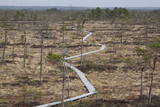 |
Taka iesākumā ved pa mežu ieskautu bijušo šaursliežu dzelzceļa līniju, pa kuru pagājušā gadsimta vidū izveda kokmateriālus. Tās tālākā daļa izmet nelielu loku pa Suistna purvu (Suistna raba), kur uzcelts skatu tornis ar izcilu sūnu purva ainavu ar nelieliem ezeriņiem. Takas garums vienā virzienā ir 4,5 km. |
|
 |
Handicraft house Heltermaa is a local Hiiumaa grocery and handicraft shop, open during the summer season. The selection is very wide, starting from ceramic dishes and ending with Hiiumaa lemonade. |
|
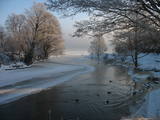 |
The Slocene River flows through Lake Valgums and Lake Mazezers before flowing into the western part of Lake Kaņieris. It is part of a branched and swampy delta in which there are seasonal restrictions aimed at protecting birds. The wetlands which are alongside the river are difficult to access in many places. Before the Starpiņupīte was dug between Lake Kaņieris and the Bay of Rīga (the water level is regulated with sluices), the water from the river flowed along what is now the Vecslocene River all the way to Sloka, where it ended at the Lielupe River. The Vecslocene can be used by canoe boats only when the water level is high and then from the Old Ķemeri road to the place where the river enters the Lielupe. Between Milzkalne and Lake Valgums, the river is not navigable because of many fallen trees. During the springtime, the estuary of the Starpiņupīte is a good place for bird watching. |
|
 |
The pub Raudnaela is located near Pärnu-Tartu highway, in the place of the former Raudna inn (1700), 15 minutes’ drive from Viljandi. Guests can enjoy delicious home-made dishes, as well as a themed dinner. |
|
 |
Ilze Kupča bakes cakes in Mārupe, preserving her grandmother’s traditions. She has received several awards in various competitions in Latvia. She makes cakes and zephirs from natural products, which are either purchased from Latvian farmers or home producers, grown by herself, or even picked in the forests. Individual orders are accepted. Rye delicacies: blackcurrant and apple zephirs with rye breadcrumbs, lingonberry and caramel cake with rye bread. |
|
 |
Was mentioned in 1387, where it was called Domesnes. That was the name until the early 20th century. A ledger at the Irbe-Ģipka church states that there were four farms in Kolka in 1770 -- Krogi, Ūši, Vecvagari and Kabriki. In 1844, a school for vergers was established, and Nika Polmanis worked there as a teacher. Kolka's first school was built in 1881, and Livonian Kārlis Bernšteins (1881-1951) worked there for nearly half a century as a teacher. The Dundaga riots that began in 1859 were led by Livonian Nika Šūbergs (1833-1884), the son of the owner of the Sārnasti farm. At the end of the 19th century, there were 392 residents in Kolka, and in 1935, 145 of the 343 residents were Livonians. During the mid-1980s, 13 Livonians spoke their language freely. Kolka is the only coastal Livonian village that continued to develop during the frontier regime of the Soviet Union, because it was the centre of a fishing kolkhoz. The number of residents increased rapidly in the 1950s and 1960s because new homes, a school, a people's centre, a kindergarten and several fish processing factories were built there. Today Kolka has 700 residents and is the largest village along the Livonian coastline. The "Līcis-93" fish processing factory is there, and local fishermen and smokers of fish work in the village. The Kūolka Livonian Centre and the Livonian ensemble Laula operate there, as well. The Ūši farm offers tastings of Livonian foods. |
|
 |
Divus kilometrus garās lokveida takas sākums ir meklējams pie Somā nacionālā parka apmeklētāju centra (atklāts 2000. gadā) – Tēramā ciemā. Tā ved gar Mardu strauta (Mardu oja) krastu, kur krustām šķērsām ir sakrituši bebru nogāztie koki, radot diezgan juceklīgu skatu. Apmeklētāju centrā var iegūt nepieciešamo informāciju, noskatīties videofilmu un nacionālajam parkam veltītu ekspozīciju. |
|
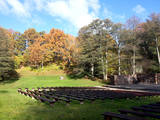 |
features an open-air stage in a lovely place. During the summer there are concerts, theatrical performances, parties, Summer Solstice celebrations, etc. The International Bourdon Festival is held once every four years, and the next one will be in 2020. This brings together bourdon singers from many countries in the world. |
|
 |
Atrodas ~ 1,5 km ziemeļos no Krāslavas centra, Jāņupītes krastā (ir norāde). Pēc atsevišķiem savrupatradumiem var spriest, ka pilskalns apdzīvots laikā no I g. t. pr. Kristus līdz vēlajam dzelzs laikmetam. Domājams, ka savu nosaukumu tas ieguvis šeit sastopamo mālu dēļ. Nelielas mālu ieguves vietas pilskalna nogāzēs ir redzamas arī šodien. Saglabājies nostāsts, ka grāfs Plāters šeit apraudājis savu sievu, kuru pats neuzticības dēļ licis iemūrēt pazemē. |
|
 3 days
|
No Rīgas dodieties gar Daugavas labo krastu un apciemojiet Trušu Karalisti, kurā trušu mājiņas ir veidotas kā mazas muižas un pilis. Pēc tam dodieties uz Skrīveriem nogaršot mājas saldējumu un apmeklējiet Kokneses pilsdrupas. Nākamajā dienā apmeklējiet privātu mini-zoo ar dažādiem eksotiskajiem dzīvniekiem, pēc tam dodieties uz Raunas cepli, lai redzētu, kā top dažādi māla priekšmeti no sākuma līdz beigām. Vērts apskatīt Cēsis un tās viduslaiku pili. Izstaigājiet Līgatnes dabas takas, kur iespējams redzēt vairākus vietējos savvaļas dzīvniekus. Siguldā bērniem patiks piedzīvojumu parks. Siguldā atrodas arī divas viduslaiku pilis. Pirms atgriešanās Rīgā, apciemojiet zemnieku saimniecību, lai apskatītu kazas, ponijus u.c. dzīvniekus, kā arī nogaršotu kazas piena piena produktus. |
|
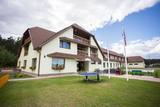 |
Family restaurant, hotel and bicycle rental, located 4 km from Piņķi and a 12-minute drive away from Riga Airport. A team of 12 professional chefs prepare a wide range of dishes. Full menu: facebook.com/irbenilv/menu. Takeaway is available. For groups of more than 10 persons, booking is recommended. |
|
 4 days
|
This route passes along one of the most diverse and beautiful parts of the coastline of the Bay of Rīga. You will see the Randu meadows, which are known as Latvia’s open-air “herbarium” because of the diversity of plants that can be found there. The coast features various sizes of rocks and stones, as well as no shortage of lovely and sandy beaches. This is the only place in Latvia where Devonian sandstone cliffs can be seen. Past each horn there is a different landscape, and the last 20 kilometres of the route are paradise for bird watchers during migration season. The route is in the Northern Vidzeme Biosphere Reserve. Route information from Latvijas Lauku forums |
|
 8 days
|
This tour offers a look at modern farms that based their work on ancient jobs and skills. Everything that is grown and processed in Latvia's countryside is found at the Central Market in Rīga, where this tour begins. It is one of the largest and oldest markets in Europe. From there you will travel to several farms to taste candy made of natural juices, cheese, grain foods, yogurt and ice cream. You will visit a traditional farm with a technology museum. Each farm will offer a brief introductory tour. Along the way, you will visit the Rundāle Castle and its park and rose garden, which were designed by the 18th century architect Rastrelli and are a true jewel of Baroque and Rococo architecture. In Bauska you will visit City Hall to see a collection of old measuring items, the Bauska Castle and the Bauska brewery. In Lithuania you will visit farms that grow lavender, medicinal plants and hemp. They will be happy to sell their products to you. The town of Anykščiai offers a trail above the trees, and the Krenave archaeological complex is on the UNESCO heritage list. At the conclusion of the tour, you will visit the Trakai lake castle that was built in the 14th and 15th centuries, as well as Vilnius. |
|
 |
GiLine ir ģimenes uzņēmums, kurš ražo konfektes Konfelāde un sīrupus. Konfelāde ir sulas konfektes, kas ražotas no Latvijā iegūtām augļu un ogu 100 % sulām, neizmantojot konservantus un garšas pastiprinātājus. Ražošanas procesā tiek izmantots roku darbs. Arī sīrupā izmantotas tikai dabīgas izejvielas. Piedāvā radošās ekskursijas ražotnē. |
|
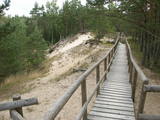 |
The trail climbs up and down along the bluffs of lower River Pilsupe and reveals a fascinating sight of three white dune exposures (the largest is called the White Dune). The trail is 900m long, and the White Dune is ca 20m high. It has formed ca 6000 years ago, in the period of the Littorina Sea which is a foregoer of the Baltic Sea. Here the first Stone Age settlement on the North Western coast of Latvia has been found in 1934 by geologist S. Burhards. In the sand, some 500m from the sea, he found some pottery fragments, a sandstone hone, a piece of flint, parts of bones and an amber bead. He handed the findings over to the National Museum of History. In October 1934, the site was checked by archaeologist E. Šturms, who found the archaeological layer, typical for such settlements, in the landslides of the Pilsupe riverbanks. In 1936 he started larger excavations to continue by 1938. Totally seven, chronologically different settlements were detected and many artefacts found, including fragments of the so called Sārnate and pit-comb pottery, as well as some pieces of corded pottery. Based on these findings, the settlement is dated back to the beginning or middle of the 3rd millenary B.C., and it has been inhabited till the beginning of the 2nd millenary B.C. Especially remarkable are three clay figures in human shape which have probably been used for some religious cult purposes. Since 1993, archaeologist Ilzes Loze has discovered several pit-comb ware culture settlements in large area around Pūrciems village. They are known in research literature as „the Ģipka settlements”. |
|
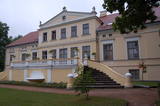 |
The residential building of the manor house was built in the 19th century. In 1932, so neglected manor house was bought by the Latvian press king A. Benjamiņš. Nowadays, the manor house is owned by the Benjamiņi family again and there is located a photo exposition of the private life and travels of A. Benjamiņš. |
|
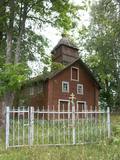 |
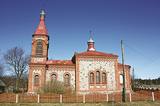
This small wooden church with fragments of a metal gate is on the side of the road in the village of Ruduški. It is not open to visitors on a daily basis. |
|
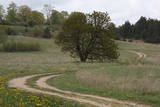 |
This is an uncommon landscape for the Kurzeme region with a protected biotope – open inland dunes with meadows of silver grass and forests of deciduous trees, including the common hornbeam. Tourists can visit the Muiža (Lejas) sacred stream on the right bank of the Sventāja valley, above which they will find Latvia’s most noble bird-cherry trees. A nice reed pergola has been installed above the stream. Wide are of Sventāja River valley can be overseen from the road before the stream. |
|


