
| No | Name | Description |
|---|---|---|
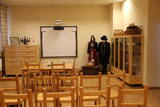 |
This collection features the heritage of the Suiti people, including an exhibition of folk costumes. Visitors can learn about the costumes and try them on. This is a cosy place for meetings, with well-equipped rooms for seminars and various types of training sessions. |
|
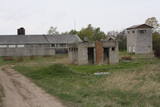 |
The former communications facilities at Pļavmalas are used as a farm warehouse at this time. They belong to a local farm.
|
|
 |
“GREEN HIVE” ir pārtikas ražotāju uzņēmums, kas nodarbojas ar medus un ogu pārstrādi. Uzņēmums atpazīstams ar saukli “Medus citās garšās!”. “GREEN HIVE” piedāvā vairāk nekā 60 produktus – medu daudzās un dažādās garšās, kā arī sīrupus, sulas un nektārus. “GREEN HIVE” atbalsta zaļas Latvijas ideju, un ievēro šo pārliecību uzņēmuma ražošanas procesā, dzīvojot saskaņā ar dabu un lietojot dabas dotus produktus. Ražotnē uzņem tūristu grupas, produkciju iespējams degustēt un iegādāties. |
|
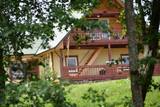 |
Tūristu nometne, smailīšu noma laivošanai pa Šventosios (Svēto) upi un tās pietekām Vyžuonos, Jaros upēm. Piedāvājumā 4 atsevišķas atpūtas vietas ar teltīm, kurās pieejamas dārza mēbeles, vieta grillēšanai, iesmi, pirts upes krastā, āra tualete, mazgāšanās telpa, bērnu rotaļu, volejbola un futbola laukumi. Lielajā dārzā iespējams uzņemt līdz 50 cilvēkiem. Vieta svinībām, festivālu rīkošanai, sanāksmēm un semināriem. Vienā no mājām ir pirts, kā arī divas Krievu prirtis un kubls upes krastā. Piedāvājumā ēdienu pēc iepriekšēja pieprasījuma. |
|
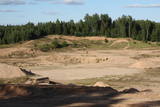 |
These are hillocks at the northern end of the Vidzeme highlands, and this is an important location for boreal (Northern) forests and swamps. Various kinds of swamps are found here, and the area is home to a variety of protected invertebrates.
|
|
 |
Latvian blackhead sheep are in a clean environment at the Ances farm, which is in the Northern Vidzeme Biosphere Reserve near the border with Estonia. It is in the Naukšēni Parish, where chemical plant protection substances and mineral fertilisers have never been used intensively. The sheep roam freely during the winter and summer, with fencing to protect them against wolves and wild boar. The farm only uses female sheep born as twins or triplets, including animals for genetic resources. All of the sheep come from German blackhead sheep and are only mated with high-quality LT rams in January, February, August and September. |
|
 |
Biškopības produktu ražošana - medus, ziedputekšņi, bišu maize, propoliss, bišu māšu peru pieniņš. Bišu māšu selekcija, bišu saimes. |
|
 |
Lauku mājā "Celmiņi" iespējams dzirdēt farmaceites Valentīnas Dāboliņas stāstus par veselību stiprinošiem ārstniecības augiem. Tiek piedāvāta augu atpazīšana un tēju vākšana, kā arī tēju degustācija un iegāde. |
|
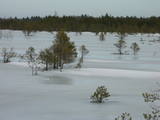 |
A comparatively large swamp to the North of the Zaļā dune, this is an important place for sulphurous waters, just as is the case with Zaļais swamp. The swamp is cut in two by the 3.5 km Ķemeri-Antiņciems road, from which interesting landscapes can be seen. The road is not appropriate for cars, however. To the East of Raganu swamp is Lake Putnezers, which is difficult to access. There is a small car park with an information stand on the shore of Lake Melnezers alongside the Ķemeri-Jaunķemeri road. The historical and overgrown Old Ķemeri road can be used to get to the seashore from this location. |
|
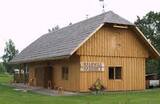 |
The carpenter’s workshop offers special excursions and events for grown-ups and children; there are some thematical programmes available. Under the guidance of a craftsman it is possible to work with traditional wood-working tools and get to know ancient games. In the end you will have a chance to try special „strengthening” tea and have a picnic in a romantic Bonfire house. It is possible to buy wooden souvenirs as well as order them. |
|
 6 days
|
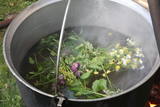
Latvians live in close connection with nature and annual circle of life. The ancient knowledge how to use the goodies of the nature is still very much alive. Wild mushroom and berry picking is very popular as well as collecting of herbs and flowers for teas and infusions. This tour is trying to give an insight of various angles how to use and enjoy nature's resources. The route goes to Kemeri National Park which is rich of flora and also interesting for its sulphur springs which water is used to improve several health related problems. Then you visit farm which specialises on herbs and teas where owner is keen to share her knowledge about different properties of the plants and how they can be used. Then there is a sightseeing at picturesque Kuldiga and proper fishermen soup on bone fire by the coast at Pavilosta. Next day short trip in the river by traditionally made fishermen boat and experience trip how to make meals using wild products. Sightseeing at Liepaja with white sandy beach and exiting military heritage. Overnight at the Pape Nature Reserve. There is a chance to fish in the lake and learn traditional fish smoking technique. Visit Rucava tradition house where you can feel and see ancient cultural environment and try typical meal. Then you visit Shitaki mushroom grower and could taste them. Afterwards visit to herbal tea growers and producers. Excursion to reproduction of ancient Semigalian Castle. Next day wild mushrooming expedition into forest awaits and preparation of collected ingredients. In the afternoon visit to the producer of products from birch juice where you could learn how to extract the juice from the birch tree and try its juice and sparkling wine. Then back to Riga. |
|
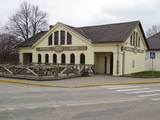 |
Atrodas Dundagas centrā, Talsu un Pils ielas krustojumā. Bistro tipa ēdināšanas uzņēmums, ko iecienījuši vietējie iedzīvotāji un pilsētas viesi. |
|
 |
This venue offers tastings of honey beer and honey. You can buy all kinds of beekeeping products, natural wax candles and various types of honey beer. |
|
 |
The Smārde saloon has a very long history,
and food is served here. There is a car park, and
approx. 100 m to the East is a cemetery and
monument to commemorate soldiers who fell
during World War II.
|
|
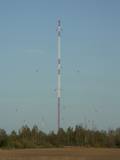 |
This is the only Soviet military object of its type and scope in Latvia – a long-distance communications base which was supposedly used to maintain contacts with Soviet naval ships and submarines all around the world. The facility had a central tower and six perimeter towers, each more than 200 metres high. Some of the towers remain in place and are used for mobile communications. It is rumoured that the Soviet communications system was never once turned on. The complex at Upīškalns can be seen by driving down the Skrunda-Kuldīga road. It is some 3 km before the Kuldīga ring road, at a populated location called Raidstacija.
|
|
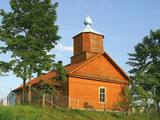 |
Lipuški Old-Believers Prayer House was built in 1893 at lake
Rāzna in village Lipuški. In former days, it was one of the largest Old-
Believers parishes in the Baltic countries; you will notice Old-Believers cemeteries that are placed in the
neighbourhood.
|
|
 |
Kuģinieku drošībai 1875. g. celtā bāka stipri cieta 1. pasaules kara laikā. Savu tagadējo izskatu tā ieguva pēc atjaunošanas 1922. g. Bākas uguns atrodas 21,3 m v.j.l. un tās detaļas savulaik vestas no Francijas. Pie bākas ieejas 1975. g. uzstādīta piemiņas plāksne par godu bākas simtgadei. Pie bākas atrodas bijušās padomju armijas militārās bāzes atliekas. |
|
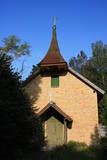 |
Atrodas Labraga – Apriķu ceļa malā. Kāds nostāsts vēsta, ka to 1896. gadā cēlis vietējais muižkungs, kurš vēlējies, lai viņa meitas laulības notiktu baznīcā. Dievnamā atrodas altārglezna "Kristus pie krusta un Sv. Marija Magdalēna", kas gleznota 19. gadsimtā (autors T. Šprengels). |
|
 |
Piemājas zoodārzs "Brieži" atrodas netālu no Rīgas. Šeit sastopami daudzi un dažādi dekoratīvie putni, tītari, pīles, fazāni, pāvi un žagata, starp tiem dzīvo jūrascūciņas un truši. No četrkājainajiem draugiem te var sastapt Holandes pundurkaziņas, Haidšnukes aitas, Šetlandes ponijus, ēzeļu ģimeni, vāverēnus un jenotpuiku Bārniju. Zoodārzu palīdz sargāt zosu bariņš un Peruāņu pundursivēns - Pigis. No 2015. gada Briežos dzīvo arī dambrieži un briedis Munžaks. Pēc pastaigas zoodārzā, iepriekš piesakot, iespējams izmantot piknika vietas un bērnu rotaļu laukumus. |
|
|
|
During the latter half of the 19th century, one of the largest ship building facilities was located here between the Dzeņi and Lielkalni homesteads. It was known as the Ķirbiži and then the Vitrupe shipyard, though nothing remains of it. 28 ships were built here between the 1860s and 1929. |
|


