
| No | Name | Description |
|---|---|---|
 |
Piedāvā ļoti gardus Lietuviešu tradicionālos ēdienus. Var pieņemt līdz 1000 personām.Pieņem bankas kartes, ir āra terase, dzīvā mūzika kā arī autostāvvieta. |
|
 |
Saimniecība nodarbojas ar 15 veidu vīna darīšanu no Latvijas augļiem, ogām un citām dabas veltēm, kā arī vīna destilāta ražošanu. Vīna darītavā vīndaris pastāstīs par vīna izgatavošanu un dalīsies savā pieredzē. Uz vietas iespējams nobaudīt dažādus izsmalcinātus augļu un ogu vīnus, meklējot sev tīkamākās garšu un smaržu nianses. Vīna darītava sadarbojas ar vietējo zemnieku saimniecībām, tēdēļ pie vīna iespējams nobaudīt sieru no govs vai aitas piena un Bauskas pusē ražotus saldumus. |
|
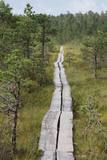 |
Ein 3,5 km langer Pfad quert den Viru Moos in Richtung Süd–Nord. Von einem Holzaussichtsturm eröffnet sich einen Blick auf eine typische Hochmoorlandschaft mit einigen Seen, Aushöhlungen und morastigen Stellen. |
|
 |
The Lapmežciems Museum features
information about the history of the local
parish, its school and its fishing industry.
There are also exhibits featuring World
War I battles near Klapkalnciems which
involved Finnish soldiers. The museum
also organises themebased exhibitions.
Alongside it is a memorial rock for the
politically repressed.
|
|
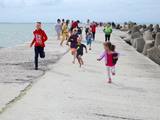 |
The Northern breakwater of Liepāja is located n the Karosta area of the town. It offers a lovely place for perambulations, as well as an opportunity to observe the sea. To the South of the breakwater you will find a fine view of the Liepāja Freeport and its system of breakwaters. To the East is the unique Karosta area, while to the North, there are remnants of a sea fort. Please be very careful while observing the sea, however – the surface of the breakwater is not in great shape.
|
|
 |
The farm "Krūmiņi", popularly called the Bread House, is a place to participate in real rural bread baking rituals, make dough and bake pies yourself, get to know grains, explore grain products, create Latvian strength signs and learn about centuries-old traditions related to bread. The heartfelt owners of the farmstead in the old barn also offer to enjoy the anniversaries, unusually celebrate their special holidays and enjoy extended life skills programs with soup cooked by the fire and watching natural events. When visiting the Bread House, you will learn why bread is baked here with the taste of freedom for almost 100 years, and the merry owners of the house know best to tell about it. |
|
 3 days
|
The Suiti are a community with among the most colourful and unique cultural traditions in Kurzeme and Latvia. This was confirmed on October 1, 2009, when the cultural territory of the Suiti was included in the UNESCO list of global intangible cultural heritage, thus indicating that the traditions must be preserved. The Suiti territory is also on the list of folk traditions that is part of the Latvian Cultural Canon. Manifestations of this intangible cultural heritage include traditional festivals, habits, oral traditions, traditional singing and musical skills, folk costumes and culinary traditions. Since 2009, the Suiti community has been undergoing a renaissance, with people actively working to restore traditions and ensure their sustainability and promotion at the local, national and international level. The survival of the cultural territory is in the hands of the Suiti themselves, and this is closely linked to the practices and the creativity of community representatives. The Suiti believe the development of tourism in their area to be of great importance in this. This means emphasising a niche in cultural tourism that is based on the broader promotion of the unique cultural heritage of the Suiti. |
|
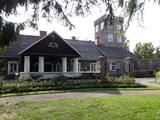 |
The Burbišķe Estate houses the Daugivene Culture and History Museum. The 28 ha territory is environmentally protected. The central part of the park has a pond that covers 3 ha and has 15 islands and 11 bridges, both large and small. Since 2000, the estate has hosted a tulip festival with some 300 types of tulips. |
|
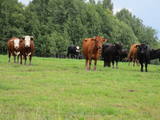 |
The farm breeds breeding cows (Galloway, Hereford, Limousine, Charolais and Latvian brown species). You can take an informational tour and watch the feeding of calves. |
|
 2 days
|
This route leads through the Curves of Daugava nature park, which is an area that was once to be flooded for the construction of the Daugavpils hydroelectric power plant. The central artery in the park is the ancient Daugava River valley, and the specific here is eight grand curves with a length of 4-6 km. The highest banks of the river are at the so-called Daugava gate, with the mighty Ververi and Slutiški cliffs. More than ½ of the territory is forested for hiking, nature watching, berry picking and mushroom hunting. The Daugava River valley has one of the greatest diversities of flora -- >800 different kinds in all. This is also a multinational environment with Lettigalian, Lithuanian, Polish, Russian and Belarusian traditions and heritage. The Slutiški village, which is unique in Latvia, is popular among tourists. Route information from Latvijas Lauku forums |
|
 |
Gebaut am Ende des 18. Jh. im Stil des Frühklassizismus als der Besitz der Grafen von Mellin. Saaldekorationen vom künstlerischen Wert von K. V. Kalopka (1792) und Öfen (Ende des 19. Jh.). Ein Park. |
|
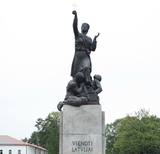 |
Located in the centre of Atbrīvošanas Alley, this statue is a monument to the liberation of Latgale and the unity of Latvia and is officially called “Unified for Latvia.” The bronze monument was unveiled in 1939 (sculptor K. Jansons, designer L. Tomačisks). In 1940, the Soviet regime tried to destroy the monument, but it was restored in August 1943. A second attempt to destroy the monument occurred in June 1950, and this time the process was successful. After the restoration of Latvia’s independence, “Māra of Latgale” was installed for a third time on August 3, 1992, sculpted by the son of K. Jansons, A. Jansons, on the basis of old designs. “Māra of Latgale” is one of the best examples of monumental sculpture in Latvia. Latvian mythology personifies the goddess Māra as a provider of fertility for earth and a protection of life. The cross that is part of the ensemble is a symbol of the Christian faith. |
|
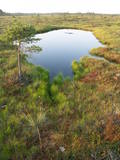 |
This territory was established to protect the rare tree specie in Latvia - common hornbeam, which covers approximately 4% of the territory, but the most visually interesting part of the area is the Tīrspurvs swamp, also known as the Dunika heath. This is where the visitor will find Latvia’s longest and most impressive swamp footpaths, which crosses the area from the North to the South. Visitors will be fascinated by the unique landscape of the central part of the swamp, where in some places there are not even small swamp pine trees. Various habitats will be found – small swamp lakes, mineral islands, marsh pools, etc., and that is to say nothing of all the birds in the area. |
|
 |
Farm Maizes māja near Cēsis, where you can gain joy, strength and vitality! This tourism farm offers cognitive and educational programmes for adults and children, introducing them to the traditional Latvian lifestyle and intangible cultural heritage. At Maizes Māja, groups of students, families, friends, and tourists become members of the family and have a lot of work to do, for example, bringing firewood and firing the oven, before baking rye bread or sweet and sour bread from Kaupo rye flour in a proper bread oven. When the work is done, a nice meal is enjoyed together. |
|
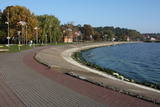 |
The most populated place in The Curonian Spit - old curonian village - Nida. Until 19th century Nida's citizens were mainly fishermen. Later it became a popular resort. Like other villages here Nida has been "moved" because of "wandering dunes". There are a lot of museums to see. During tourism season there is around ~ 200 000 – 300 000 tourists here.
|
|
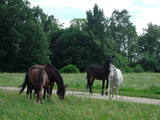 |
It is possible to look at different animals at the farm – horses, goats, rabbits, dogs, cats and marmots. It is possible to participate in farming tasks and try out farm instruments, to learn the steps of ancient dances, to walk along the animal paths and to taste pancakes baked on the open fire with goat cheese. You can also buy sauna accessories or herbal teas. |
|
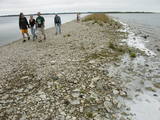 |
The Kassari Island is the fifth largest Estonian island, and it is found to the South of the Hiiumaa Island. There are two dams between the two islands, and a road for motor vehicles has been installed atop them.
|
|
 10 days
|
This tour will surprise you with the diversity and unusual products of farms. You will visit several farms that offer ecological produce that can be tasted and purchased. From Vilnius, you will travel to an ecological goat farm that offers 60 types of cheeses made of goat milk. Next you will visit an ethnographic Lithuanian farm that breeds horses and sheep. You will spent a day in Kaunas to visit the Nemuna River valley, as well as the Raudone and Panemune castles. A picnic at a farm with acorn coffee, pancaked baked on a campfire and soup made of locally picked wild mushrooms. The ecological Buivydai farm breeds cattle and grows blackberries. Along the way you will visit the Courlandian Dune, the Sea Museum and Delphinarium and the most popular spa town in the dunes, Nida. From there you will drive to Latvia, where the Pape Nature Park offers a look at wild horses, and the ethnographic Ķoņi village is an old seashore fishermen's village. In Liepāja, it will be worth visiting the local market, which is more than 100 years old and offers seasonal vegetables, fruit, greens and flowers from local farms. Next you will visit an environmentally friendly farm that has 130 different types of apples and a wine operation that prepares wines from local fruits and berries. The farm uses biodynamic farming principles to grow beans and peas, as well as to breed livestock so as to produce tasty sausages. Next you will visit the lovely Medieval town of Kuldīga and its brick bridge across the Venta River. An environmental health farm will allow you to enjoy herbal teas and learn about various ecological cosmetics made of plants from the clean environment. Along the way you will enjoy the landscape of the ancient Abava River Valley and visit the Sabile wine hill where grapes are grown to produce local wines. Next you will visit the charming small town of Talsi, where you will find the Latvian Agriculture Museum. The tour will conclude at a farm which grows fruits and vegetables and offers syrups, jams and canned vegetables. You will complete you tour in Rīga. |
|
|
|
Tītuvēnu reģionālais parks (Tytuvėnų regioninis parkas) dibināts 1992. gadā. Parkam raksturīga ainavu daudzveidība – te ir sastopami lieli mežu masīvi, purvi, ezeri, upītes. Šejienes reljefa veidotājs tāpat kā citur Baltijas valstīs ir bijis ledājs, kas atnesis un atstājis aiz sevis garas laukakmeņu grēdas. Kopumā parkā ir konstatētas 603 augu un 787 dzīvnieku sugas. Parkā aug veci un dabiski boreālie (ziemeļu) meži, veci un jaukti platlapju meži ar ozoliem, liepām, kļavām, ošiem un gobām, sugām bagāti egļu meži, staignāju meži, nogāžu un gravu meži, purvaini meži un aluviālie (pārplūstošie) meži. Parkā esošās pļavas un tīrumi ir nozīmīga dzērvju atpūtas vieta migrāciju laikā, kad te pulcējās tūkstošiem putnu. Šiluvas baznīca un Tītuvēnu klosteris ir svētceļnieku galamērķis vairāk nekā 500 gadu garumā. |
|
 |
Krodziņš "Rančo" atrodas Rīgas - Liepājas šosejas 136. kilometrā, un saviem apmeklētājiem piedāvā gardus ēdienus un omulīgu atmosfēru. Ēdienkartē iekļauti latviskie ēdieni, ir iespējams pasūtīt banketus. Latviešu virtuve: Skābu kāpostu zupa, skābeņu biezzupa, aukstā zupa, asinsdesa, pelēkie zirņi ar speķi, siļķe ar biezpienu un kartupeļiem, kartupeļu pankūkas, plānās pankūkas. |
|


