
| No | Name | Description |
|---|---|---|
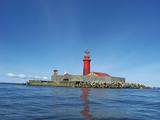 |
The Kolka lighthouse is on an artificial island which was created
between 1872 and 1875. The original lighthouse was made of wood, and
its light was first lit in June 1875. As the island settled into the sea, the
current tower was built. It began operations on July 1, 1884. Today the
lighthouse is six kilometres from Kolkasrags at the end of its sandy
shallows (back when it was built, it was just five kilometres away). The
island still has the building for the lighthouse supervisor, as well as
several outhouses. The metal lighthouse which is there now was built in
St Petersburg. It has been an automated lighthouse since 1979.
|
|
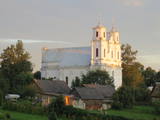 |
The largest town in South-Eastern Latvia is on the banks of the Daugava River, which is the border between Latvia and Belarus at this location. The border runs down the middle of the river. Piedruja has two parts – Piedruja and Aleksandrova, which are separated by a central street (the V 631 road). Piedruja emerged from the Druja town that was on the left bank of the Daugava. During the 17th century, the two parts were owned by the Stapekha dynasty of Lithuanian aristocrats. It is worth strolling through the town, because the low-level wooden houses are reminiscent of buildings that are exhibited in open-air ethnographic museums. Piedruja is neat and tidy, with two churches and the Daugava rock that are part of a local hiking trails. Aleksandrova has a tourist accommodation, “Piedruja,” which offers special soirées in the Lettigalian, Russian and Belarusian style. Please be aware that you need a temporary permit to enter the border zone. The Border Guard facility is in Piedruja and at a place where there was a Daugava crossing point comparatively recently. |
|
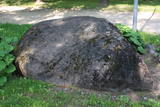 |
Atrodas Kalēju ielas malā. Savu popularitāti ieguvis ar nostāstu, ka Ziemeļu kara laikā pie tā pusdienojis Krievijas cars Pēteris I un Polijas valdnieks Augusts (Stiprais). |
|
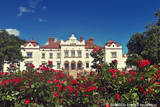 |
This is one of the most important cultural centres in Augštaitija, and the nobility of the buildings is emphasised by a park and ponds. |
|
 |
Skaisto un mūsdienās atjaunoto zilā krāsojuma ēku Karaīmu ielas 5 malā sākotnēji (1810. g.) cēla Dominikāņu mūki. Kopš 1864. g. tajā 23 gadus saimniekoja policija, līdz 1887. g. te izvietoja pastu un telegrāfu. Šobrīd ēkā atrodas nacionālā parka administrācija. |
|
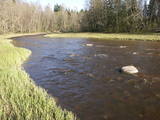 |
The nature park in the Ogre River valley is found along the middle section of the river. It has been established so as to protect the unregulated river valley and its surrounding territory, as well as biological diversity and habitats. For instance, this is an area in which rare park-type meadows can be found in Latvia. The Ogre is one of Latvia’s most popular rivers for water tourism in the spring, particularly downriver from the town of Ērgļi, where the technically complicated Braži rapids are found. |
|
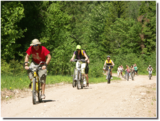 |
Lustužkalns Hill (72 m ASL). A hunting
castle owned by Livonian Order master
Walther von Plettenberg was located here
in the 16 century. During the reign of
Russian Empress Catherine the Great, a
recreational castle was built here. A
legend from the time says that a golden
carriage is at the bottom of the local Lake
Valgums.
|
|
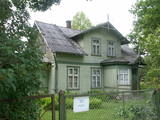 |
This is the one street in Ķemeri where the towns' wooden buildings have been preserved to the greatest degree. Turning onto Durbes Street from Karogu Street, you will find the Miervaldis Ķemers Museum, which is focused on the well known Latvian cultural activist, pastor and painter (1902-1980). The museum is at Durbes Street 21. |
|
 5 days
|
This route passed along many places where events directly related to the emergence of the Latvian state and to the subsequent freedom battles occurred. The historical route from Rīga to Liepāja via Dobele, Saldus, Skrunda, Durbe and Grobiņa was used as long ago as the 13th century. People in the Kurzeme region of Latvia have always eat sea, river and lake fish, particularly smoked fish. Potted smoked cod, served in a clay pot, is a particular delicacy, as are smelts, sea pike, sprats, herring and salmon, available all year long. Ladies of the house bake tasty rye bread, sourdough bread and tasty carrot buns, and they also cook various porridges from barley. Dairy products, Summer Solstice cheese and “white butter” has an important role. Fresh goat milk cheese is prepared with dills and garlic, and goat milk cheese is also tasty. Menus will include local domestic fowl and meat dishes, including roasts, ribs, sausages, as well as more exotic dishes such as pig’s tongue and bull testicles. Fancy taverns will offer pheasant and wild game with mushrooms, lingonberries, juniper berries and wild herbs. In Kurzeme you will be greeted with delicious pies, sheet cakes, poppy seed pastries and honey cakes, biscuits with poppies and cranberries, dessert from rye bread, lingonberries or cranberries and sweet cream.Blackberry dumplings are popular. More unusual are marmalades made from wild plants such as mountain ash, cranberries and even fir needles. Slake your thirst with aromatic herbal teas with honey and enjoy a mug of beer or some homemade wine. |
|
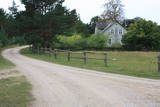 |
This is an ancient populated area. There were 50 homesteads here during the 1930s, with only ten remaining in 1990. The Livonian scholar and entomologist Kārlis Princis (1893-1978) was born in Oviši. In 1944, he emigrated to Sweden. The Oviši lighthouse (1814) is 38 metres high and is the oldest functioning lighthouse in Latvia. There are lovely views from the top of the lighthouse. The building in which employees of the lighthouse used to live was erected in 1905 and has been preserved. A narrow-gauge train station was in the building at one time. The Oviši Lighthouse Museum is nearby, as is the metal Tree of Austra. Opposite Cape Oviši is a great place for bird watching. |
|
 |
Находится за Гробиньским водохранилищем на берегу реки Аланде (ул. Пиладжу, д. 3). Туристический клуб «Ога» с 1 мая 2013 года планирует здесь организацию разных связанных с жизнью викингов мероприятий, во время которых можно будет войти в образ викинга, отправиться в поход на корабле викингов (в соответствующей одежде) по реке Аланде, а также познакомиться с окрестностями, которые связаны с тематикой викингов. Рядом с поселением установлена деревянная фигура викинга с рогами (от коров, пасущихся на Витиньских лугах на берегу Лиепайского озера). |
|
 |
The saloon is on the edge of the Murjāņi-Valka road (A3) and is easily recognised because of the building and various fairy tale characters in the yard. Latvian cuisine: Cold soups (beet, bean, sauerkraut, sorrel), roast leg of pork, blood sausage, pork ribs, berry dessert with toasted oats, stacked rye bread. Special foods: “Fiery Soup of the Ragana Kitchen”. |
|
.JPG?size=160) |
This park was established mostly to protect a wide range of cultural and historical objects such as the Trakai lake castle, the ancient Trakai cloister, the Užutrakai castle, the Bražole castle hill, the heritage of ancient local tribes, etc.
|
|
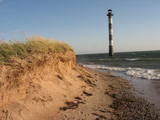 |
Sāmsalas ziemeļrietumu daļā jūrā iestiepjas iespaidīgā Tagameizas pussala (Tagamõisa poolsaar). Tās ziemeļrietumu daļā meklējama mazāka – ap 5 km garā Harilaidas pussala (Harilaid). Pussalas vidusdaļā viļņojas Lajalepas ezers (Laialepa järv) - bijušais jūras līcis, kas zemes garozai ceļoties, kļuvis par iekšēju ūdenstilpi. Arī pati Harilaida (igauniski „laid” nozīmē „saliņa”) vairāk nekā trīs gadsimtus atpakaļ bijusi sala. Harilaidu iecienījuši ne tikai migrējošie putni, bet arī roņi, kurus piesaista vientuļi līči un akmeņainās sēres. Harilaidu var apmeklēt tikai ar kājām vai ar divriteni, bet spēkrati ir jāatstāj autostāvlaukumā. No tā ~ 1 km attālumā atrodas vieta, kur pēc 17. gs. radies Harilaidas savienojums ar Sāmsalu. Šeit paveras nepierasti klaja un akmeņaina ainava. Pārējā Harilaidas daļa ir apmežota pirms ~ 40 gadiem. Kopumā būs jāveic ~ 10 km garš pārgājiens. |
|
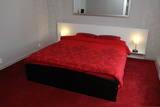 |
Guest house AMRAI is located in Ventspils, in a quiet, tidy area, 6 km from the central beach and 2 km from the wild beach. For accommodation we offer a well-equipped two-storey holiday house with two separate rooms, as well as well-equipped 1-room and 3-room apartments in a private house with separate entrances from the yard. The one-room apartment has a shower, toilet, kitchen, TV - local, internet. The three-room apartment has a jacuzzi bath, toilet, kitchen, TV-spot, internet. Both apartments have a washing machine. In the garden there is a place for games, trampolines, grills. Offers board games and outdoor games - free of charge. Possibility to order meals, talk to a babysitter, rent bicycles. |
|
 |
Vilsandi bāka sāka darboties 1809. g. Ja uzmanīgi palūkojas uz torņa, labi redzams, ka tas ir vairākas reizes paaugstināts. Tagadējās bākas augstums ir 37 m, bet gaismas elements atrodas 40 metrus virs jūras līmeņa. Bāka ar apkārtējām ēkām ir apskatāma tikai no ārpuses. Ja pa Vilsandi arhipelāgu ceļo ar jūras laivu vai citu peldlīdzekli, tad bāka kalpo kā ļoti labs orientieris daudzo salu, līču un pussalu labirintā. No bākas redzama jūras krastā uzceltā glābšanas stacija. Pateicoties tai, Vilsandi ūdeņos izglābti 29 cilvēki, 2 suņi un 1 kaķis. Tā stāsta vietējie. |
|
 13 days
|
This tour can be done with your own or rented car and it includes driving, some hiking parts and transfers with the public transport. This grand Forest Trail and Baltic Coastal Hiking Route tour includes some of the best and most beautiful parts of the Forest Trail and Baltic Coastal Hiking Route in Lithuania and the southern part of Latvia. Hikes are combined with trips and excursions in cities, as well as other popular tourist sights in both countries. You will get a detailed impression about the forest diversity, coastal landscape and most popular national and regional nature parks in Latvia and Lithuania.
At the end of the tour you will go for a 1 day hike in Kurtuvėnai Regional Park which is one of the most forested areas in Central Lithuania with very pronounced glacier-shaped terrain forms spread in the Eastern Žemaitija Upland. |
|
 2 days
|
The Zemgale region is a fertile flatland. There are many modern farms, including some that will allow you to learn about life in the countryside and the heritage of agricultural history. You will start your trip and then take the "Milky Way" route to a dairy farm. Next you will visit Jelgava, the former capital of the Duchy of Courland from the 16th to the 18th century. The history of the town can be discovered via an interactive exhibition in the steeple of the St Trinity Church in Jelgava, from which you can also get a good view of the city from a 9th-floor platform. Next you will visit a farm where you will learn about Latvia traditions and bake bread together with the lady of the house. From there, the route will lead to a grain farm, where you will find a collection of dairy processing equipment and a playground for children. You can spent the night in a field of grain or a design hotel that has a traditional farm and a collection of restored old automobiles. Along the way, you will stop in Bauska to see its City Hall and its collection of ancient measuring equipment. Grain traditions will really be appreciated at a farm that uses its own grain and roughly ground flour to produce a wide range of traditional foods. Finally, you will visit a collection of tools, farm equipment and household items that are all typical of Latvia's countryside. |
|
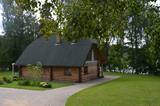 |
The holiday houses are located near Lake Ieva, 30 m from the lake shore. On the 1st floor of the holiday house - lounge with fireplace and glazed veranda, sauna (50.00 EUR / evening), small kitchenette, toilet. Outside-small terrace overlooking the lake. On the 2nd floor there are 2 isolated rooms and 10 beds. By the lake - a fireplace, a well-groomed swimming area with a footbridge. Boats and catamarans can be rented. |
|
 |
Atrodas pilsētas centrā – Tukuma ledus halles ēkas otrajā stāvā. Piedāvā maltītes visām ēdienreizēm, klāj galdus pasākumiem, īrē telpas dažādiem pasākumiem. |
|


