
| No | Name | Description |
|---|---|---|
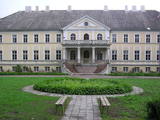 |
The Rudbārži Estate was built at the request of Baroness Thea von Firks from the aristocratic dynasty. After a reconstruction in 1883, the building became an ornate example of Mannerism and Renaissance architecture, with decorative finishing and a larger size. On December 15, 1905, the building was torched by revolutionaries. The restoration began three years later under the leadership of architect L. Reinier. The castle has a holiday hall with two marble fireplaces, the parquet in some of the rooms dates back to the early 20th century, and the outdoor doors have metal engravings. The castle was reconstructed in 1938. It housed a German field hospital during World War II, while after the war it housed a school for forestry workers. In 1962, the Rudbārži school moved into the building, which is now named after Oskars Kalpaks. A commemorative plaque outside the building is devoted to the Kalpaks battalion. During Latvia’s liberation battles, on January 22, 1919, the Bolsheviks occupied Skrunda, and seven days later, Kalpaks’ battalion attacked from the direction of the Rudbārži Estate. After a three-hour battle, the victory was won, with the battalion taking over a strategic line near the banks of the Venta River. This was the first victory for Kalpaks’ men after many retreats, and that inspired the rest of the liberation battles. |
|
 |
RADADA ir radošā darbnīca, kura ierīkota senā ugunsdzēsēju depo. Audumu apdrukas ar saviem orģināliem zīmējumiem rokas sietspiedes tehnikā. Apdrukā apģērbu ar rakstiem un simboliem, kas simbolizē Latvijas dabu, latviešus un to spēku. |
|
 |
This facility is on the southern shore of Latvia’s second-largest lake with a lovely view of it. Lettigalian foods are prepared from local ingredients, some of which are grown on site. |
|
 |
Atrodas Burtnieka ezera austrumu krastā – uz ezera poldera dambja. Pavasara un rudens migrāciju laikā – laba putnu vērošanas vieta. Putni redzami ne tikai ezera piekrastē, bet arī poldera mitrajās pļavās. |
|
 |
Pie Melekiem sākas dabas lieguma teritorija. Meleku
krastmala būtiski mainījās 2005. g. orkāna laikā.
|
|
 |
The Freedom Monument is opposite the Krustpils Castle in Rīgas Street. Built in 1925 and restored in 1992 (by A. Birznieks), the monument honours people from Krustpils who fell during Latvia’s liberation battles. There are good views of the Little Daugava, Daugavsala, and the Ādamsona (Krustpils) island. |
|
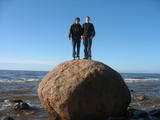 |
Covered with rocks and with small capes and inlets, this is the eastern shore of the Bay of Rīga and the only place in Latvia where sandstone outcrops are found. These are the result of the abrasive effects of waves between Tūja and Vitrupe. Among the most distinguished of these outcrops are the Veczemi cliffs, which are less than half a kilometre long and up to four metres high. The area has been improved for tourists. It has to be said that this part of the shoreline changes very often, particularly after large storms.
|
|
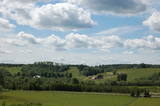 |
Sens pilskalns Abavas kreisā senkrasta nogāzē. Pēc sena nostāsta zviedru karavīri ar savām cepurēm to sabēruši virs sava ģenerāļa kapa. Tagad Zviedru cepures apkārtnē ziemā var braukt pa kalnu slēpošanas trasēm, bet vasarā – ar rodeļiem.
|
|
 |
Saimniecības pamatnodarbošanās ir diļļu audzēšana un to pārstrāde. Siltumnīcā audzē arī Itālijas dienvidos zināmu melones un gurķa krustojumu "Carosello", kas latviski nodēvēts par "pūkaino gurķi". Iespējamas degustācijas, kā arī saimniecības produkcijas iegāde. |
|
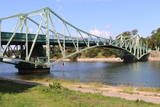 |
The bridge was built in 1906. Part of it was blown up during World War I and later restored. During the Soviet occupation, one needed special permits to cross the bridge. Military ships and other vessels used the canal, because one of the largest military bases in the USSR was sited here. In the summer of 2006, one month before the bridge’s centenary, a Georgian-flagged tanker, the Anna, rammed into the northern support structure of the bridge, and that destroyed the bridge’s turning part beyond recognition. The bridge was renovated and reopened in 2009. You can look at the bridge and cross it at any time.This is a unique engineering monument, and it is the only drawbridge of its kind in the Baltic States. It takes just five minutes to turn the two parts of the bridge.
|
|
 |
The saloon is located near the Kuldīga ring road. This is a slow-serve saloon with foods cooked on alder wood on the basis of the slow food principle. The saloon offers “meals in the garden”. Latvian cuisine: Bean salad, sprats with cottage cheese, oatmeal with smoked meat, false goose, pike-perch sautéed in cream, cod with onions and tomatoes, potted mutton, beef with onions, hunter’s style pig liver, potted sautéed vegetables, hot dumpling soup with blackberries, wild berries with whipped cream, apples caramelised in honey, cottage cheese desserts. |
|
 |
Netālu no augstākā Latgales augstienes paugura – Lielā Liepukalna atrodas zemnieku saimniecība, kuras darbnīcā amatnieks Jānis Kuzminskis taisa mūsdienīgas ģitāras u.c. mūzikas instrumentus. Apmeklētāji var iepazīt Jāņa veidoto ekspozīciju, vērot amatnieka darbošanos, pasūtīt sev jaunu instrumentu, kā arī muzicēt pie bagātīgajā kolekcijā savāktajiem instrumentiem. Saimniece stāsta par Latgales kulinārā mantojuma ēdieniem un rāda, kā gatavo gulbešnīkus. |
|
 |
The company has a history of more than 40 years, and today it is a competitive dairy processing company at the Baltic level, producing milk, kefir, cottage cheese, yogurt, butter, cheese and other dairy products. A store alongside the factory sells the products, and Valmieras Dairy is one of five companies in Latvia that can manufacture an EU guaranteed traditional product, "Summer Solstice Cheese". |
|
 |
Similar as Alsungas mezi (Alsunga forests) – is not intended and appropriate for visits. A narrow path of the restricted area can be seen from the gravel road – Saka-Apriki. Nature restricted area established mainly for protection of Erica tetralix (often called "cross-leaved heath") and it is one of the most important growing places.
|
|
 |
Mūsdienās redzamais parks starp Rīgas un Parādes ielu tapa vairāk nekā pirms 100 gadiem un tā patrons bija pilsētas pirmais mērs - Pāvels Dubrovins (1839. – 1890.). Pilsētas „zaļā saliņa”, kuras centrā atrodas strūklaka, ir iecienīta atpūtas un pastaigu vieta. Atraktīvs ir no bronzas veidotais piemineklis (2007. g., tēlnieks A. Tartinovs),kas veltīts pilsētas pirmajam mēram. |
|
 |
MIGLA ir mazā alus darītava, tas ir sens saimnieka sapnis, kurš realizējies, spēkus apvienojot kopā ar jaunāko meitu. Alus garšu meklēšanā, receptūru izstrādē, kā arī novērtēšanā piedalās visa ģimene, kur īpašas alus someljē īpašības piemīt vecākajai meitai. Apvienojot visas ģimenes stiprās puses - darītāju, runātāju un garšu pazinēju un dizaina ekspertu, tapis MIGLAS alus, kas šobrīd piedzīvo savus pirmos soļus alus pasaulē un cer iepriecināt ne vienu vien alus baudītāju! Lielu daļu alus darīšanas tiek veikta ar rokām, svērti un malti graudi, rēķināts ideālais apiņu un graudu daudzums, tiek liets, pārliets un skalots. Darītava laprāt uzņem viesus degustācijām, kurās piedāvā ne tikai nogaršot alu, bet arī cienā ar pašceptu maizi un cepumiem, kā arī iepazīstina ar alus darīšanas procesu un vēsturisko Uzvaras Līdumu, kurā atrodas alus darītava. Mazais brūzis atrodas vienviet ar Ķiploku pasauli - otru ģimenes aizraušanos, tāpēc uzreiz var apskatīt divas saimniecības. |
|
|
|
Krustceļi Old-Believers Prayer House was built in 1939.
|
|
 |
On the right bank of the Bērze River and in the western part of Dobele, the castle hill and its fortified forecastle were occupied between the 10th and 13th centuries, with an ancient town at its foot (currently the square between Tērvetes Street and the Liepāja highway). As was common, the Livonian Order used this ancient Semigallian castle hill to build a brick castle between 1335 and 1347. The castle was sacked during the 18th century, and its fairly impressive and beautiful ruins have been conserved. A viewing platform is part of the charm. |
|
 |
Atrodas Grāfu Plāteru parkā, blakus Krāslavas jaunajai pilij. Tas izvietojies vienā no 18. gs. celtajām muižas saimniecības ēkām. Muzeja ekspozīcija ir veidota interesantā veidā – 17 m garā laivā, kas (laiva ar pieciem airiem) ir pilsētas ģerbonis. Muzeja krājums iepazīstina ar Krāslavas novada vēsturi, sākot no akmens laikmeta līdz mūsdienām. Muzejā tiek organizētas Krāslavas mākslinieku izstādes. |
|
 |
Go horseback or wagon riding all year long, find contacts with goats, sheep, chickens, turkeys, geese, and ducks, and taste smoked goat cheese. The owner also produces Christmas and other decorations. |
|


