
| No | Name | Description |
|---|---|---|
 |
This farm produces organic grains, and it has a bakery at which tasty rye bread, wheat-rye bread and croutons for bread yoghurt are produced. Bread can be purchased on site.
|
|
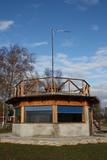 |
Pirmā ir uzcelta uz vienstāvīgā apmeklētāju centra jumta. No tās paveras plašs skats uz Kīdevas ciemu, ostu un niedrēm apaugušo Matsalu līča ziemeļdaļu. Austrumos no šīs atrodas vēl viena - divstāvīga putnu vērošanas platforma. No Kīdevas līdz Puisei gar Matsalu līča var doties pārgājienā pa 5 km garo dabas taku. To izejot, novēroto putnu sugu klāsts noteikti būs lielāks! |
|
 |
BURSH brewery – one of the smallest breweries in Latvia which is situated between Zemgale, Vidzeme, Latgale and Selija territories – in the Plavinu territory of Aiviekste district. Beer connoisseurs are offered dark and light beer BURSH. BURSH is made of water, barley malt, hop and yeast, is boiled on a firewood stove, fermented in oak barrels and prepared for 30 days. LLC „ECOS” uses only natural raw material in the process of brewing. Beer is made according to the special recipes made especially for BURSH brewery and with attention to traditiaonal methods of brewing beer. |
|
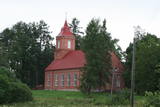 |
Līdz 18. gs. šajā vietā bija koka baznīca, kamēr 1798. g. uzcēla mūra baznīcu, kas cieta 1. pasaules karā, bet 2. pasaules kara laikā to uzspridzināja. Tikai pusgadsimtu vēlāk - 1991. gadā tika uzsākti atjaunošanas darbi, kas joprojām turpinās. Tagad redzamais dievnams ir iepriekšējā līdzinieks. |
|
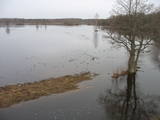 |
Jēsū – Kepu ceļa malā pie Leti (Läti) ciema ir izveidots autostāvlaukums ar putnu vērošanas torni, no kura paveras skats uz Hallistes upes palieņu pļavām un tuvējā ciema apkārtni. Stipru palu laikā arī no šī torņa redzamā apkārtne (izņemot ceļus) var atrasties zem ūdens. Laba putnu vērošanas vieta. Läti tulkojumā no igauņu valodas nozīmē Latvija. |
|
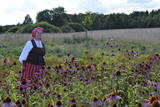 |
The lady of the house greets visitors in a folk costume, offering an educational programme in the local Žemaiši language. She talks about herbal teas and how to find the herbs and brew them. Along with the tea, the lady offers homemade cheese, bread, pierogi and honey. The guesthouse is on the banks of Lake Beržoris, not far from Lake Platelys. The Žemaitija National Park is nearby and easily reached on foot, by bike, by boat or by car. |
|
 |
The restaurant is on the eight floor of the steeple of the Church of the Holy Trinity in Jelgava, offering an outstanding view of the town’s most important cultural and historical monuments. The restaurant offers fine dining on the basis of French cuisine, as well as everyday and business meals. Latvian cuisine: Herring filet with cottage cheese, potatoes and onions. Special foods: Marija cake. |
|
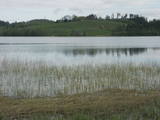 |
This nature park was established to protect the Burzava hillocks, Lake Adamova (a eutrophic lake), and the habitats and species that are found along the lake’s shores – bats included. The loveliest views of the area can be viewed from the hillocks that are on the northern shore of the lake. There are tourist accommodations on the shores of Lake Adamova where tourists can spend the night. |
|
 |
Piemājas saimniecība nodarbojas ar augļkopību un biškopību! |
|
 |
On the 141st km of the Riga-Jekabpils highway you can rest and have a meal in the motel Sapnis. There is a cafe on the 1st floor as well as the hall for celebrations. |
|
 |
The saloon is in the historical centre of Līgatne, alongside a pond, and in a building that was once home to the first Līgatne paper factory. Latvian cuisine: Vidzeme stroganoff, grilled Kolka herring, grilled pork, Amata trout, potato pancakes with cream, pancakes with jam, beer, kvass. Special foods: A special dessert. |
|
 |
The restaurant is on the edge of the Turaida-Ragana road. The granary was built in 2004 in line with historical traditions. It resembles the Turaida Estate granary that was built by Baron Holstein. Latvian cuisine: Smoked catfish, leg of lamb, roast veal, venison or pork, stuffed duck or goose. |
|
 |
Rankas Dairy was established in 1996 and manufactured some 80 dairy processing products, including cheese, cottage cheese, cream, fermented dairy products, desserts, etc. This is one of five companies in Latvia that is allowed to manufacture one of the EU’s guaranteed traditional characteristics product, “Summer Solstice” cheese. The products are available at the “Rīmaļnieks” store that is alongside the dairy. |
|
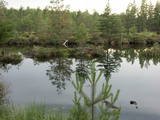 |
This territory is around 9 square kilometres in size and is found to the North of the village of Kūdra, where the so-called old peat quarries are found. Peat was extracted here during the first period of Latvian independence. Today the territory is overgrown, preserving the old and flooded quarries which offer a very unusual landscape. The best way to examine them is on foot or bike, taking the road from the Kūdra railroad station which leads to Lake Sloka. |
|
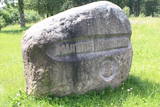 |
The office of photographer Mārtiņš Buclers was recently found at the Sauka Unity House where the Sauka trade school was located. In 2010, the exhibition was moved to the Sauka Parish Council in Lone. Mārtiņš Buclers (1866-1944) was a founding father of photography in Latvia. He established the first company in the country which produced photo film and paper. The exhibits are of particular interest now that we are in the digital photo era. The Sauka Unity House is closed and can only be viewed from the outside, but alongside it is a memorial stone dedicated to Buclers, as well as a monument commemorating the 150th anniversary of photography. |
|
 |
The owners of Tahku coastal houses organise cucumber marinating and salting workshops with a happy mood. Cucumber festival Tahkuranna takes place every year on 20 August, and there you can buy canned cucumbers, local food and handicrafts, participate in master classes, and also make handicrafts. |
|
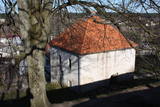 |
The Old Town of Kandava is located around the old Market Square and dates back to 1881, after a fire in the town. The urban environment in Kandava is made up of farms with various buildings, closed yards, passageways and walls made of fieldstones. These can be seen in Talsu Street and Sabiles Street. Uncommon for Latvia is Lielā Street. At the foot of the Bruņinieku Castle Hill is a model of the Castle of the Livonian Order that was created in 2010. |
|
 |
1996. g. atklātais piemineklis (tēlniece: A. Veinbaha) Dagdā (starp Asūnes un Rēzeknes ielām) ir piemiņas vieta komunisma terora upuriem. No šejienes paveras labs skats uz salām bagāto Dagdas ezeru. |
|
 |
Fruit and berry wine has been made at the Tori Jõesuu Cider and Wine Farm since its beginnings. The people currently living there are inspired by the experiences of their ancestors and value the fruits and berries that grow from the local Soomaa soil, which has a particular composition. The old feral apple tree, which grows in the yard, is particularly special because its golden apples have an unusual taste which makes the Tori Jõesuu Cider Farm cider unique. The visit also includes a tour of a genuine Nordic vineyard. The Cider tour around Tori Jõesuu Cider and Wine Farm on the edge of Soomaa has been awarded the EHE (Genuine and Interesting Estonia) quality label. The farm introduces guests to the secrets of good cider and wine making, the special features of the cultivation of northern grapes, as well as offers catering and organises tastings. |
|
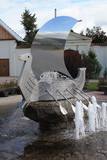 |
Arī 18. novembra laukums. Tas sācis veidoties 18. gadsimtā kā tirgus laukums. Tā dominantes bija 1752. g. celtais rātsnams (nav saglabājies) un aptieka, kas šajā ēkā darbojas no 1810. g. līdz pat mūsdienām. 2010. gadā laukumā izveidota strūklaka, kam ir pilsētas ģerboņa forma. |
|


