
| No | Name | Description |
|---|---|---|
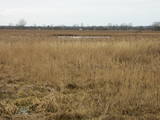 |
Most of this restricted area is made up of a shallow and eutrophic body of water in which many species of birds, including some that are rare and protected, nest. Specialists say that anywhere between 150 and 450 pairs of black-headed gulls nest in this area on a regular basis.
|
|
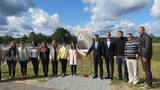 |
The memorial to the day when people in the Baltic States joined hands in an unbroken chain stretching from Tallinn through Rīga and on to Vilnius on August 23, 1989, is at the 25th kilometre of the Rīga-Bauska highway, near the little Ķekaviņa River. |
|
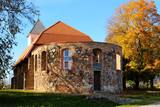 |
Dievnama mūri kā svētvieta glabā ne tikai svētuma starojumu, mierinājumu, bet arī smagus, rūgtus un iznīcinošus notikumus. Vairākkārt pārbūvēta, sagrauta, dedzināta, un tomēr atjaunota. |
|
 |
Alises Zariņas bioloģiskā saimniecība nodarbojas ar kazkopību. Pašlaik ir divdesmit slaucamas kazas un no to svaigi slauktā piena tiek gatavots siers. Saimniecība dibināta 2015. gadā. |
|
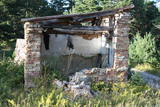 |
A coast guard facility was located near the village of Užava during Soviet times. There is a lack of information about the use of the facility at this time.
|
|
 |
Pils iela pazīstama ar jūgendstila apbūvi, kas veidojusies 19. un 20. gs. mijā veco vienstāvu ēku vietā. Pirmā ēka Pils ielā 30 (jaušama jūgendstila ietekme) tika uzcelta 1901. g. Pils un Kuģinieku ielas krustojumā (Pils iela 40) paceļas 1905. g. celtais Vulfsona trīsstāvu īres nams, ko var pazīt pēc neobarokālā stila torņa. Netālu esošo ēku Pils ielā 31 un 38 (Mūzikas skola) fasādes jau ir uzskatāmas par raksturīgiem jūgendstila paraugiem. Savukārt, ēku Kuģinieku ielā 2 uzskata par vienu no skaistākajiem Latvijas jūgendstila namiem ārpus Latvijas galvaspilsētas. Uzmanība jāpievērš arī ēkām Pils ielā 54 un 60. |
|
 |
Ap 200m garš un līdz 15m augsts ainavisks atsegums upes labā krasta asā līkumā. Tam iepretim otrā krastā (500m) Līgatnes dabas takas.
|
|
 |
You are offered horse-riding along the picturesque forests and individual horse-riding lessons. |
|
 |
The farm produces six different kinds of blackberries. You can tour the surrounding fields, learn about how blackberries are grown, and taste and purchase valuable berries. Your children will love the rabbits and goats that are at the farm. |
|
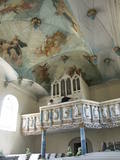 |
The Apriķi Lutheran Church is, for good reason, known as one of the most beautiful churches in Kurzeme. It was owned by the Osten-Zacken dynasty in the past, built in the 17th century, and rebuilt in 1710. The wooden interior is in the Rococo style with elements of the Baroque, and it dates to the mid-18th century. It is amazingly ornate. The beautiful ceiling paintings, which were produced by a Prussian painter called Rode, were painted between 1744 and 1746. |
|
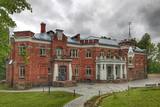 |
The construction of the state began in the early 20th century. The mansion was built of bricks and fieldstones between 1905 and 1911 in the styles of Historicism and Art Nouveau. The estate was owned by engineer and professor Stanislav Kerbedz from St Petersburg, the first Russian engineer to develop principles for the architectonic aspects of bridges. These were used during the latter half of the 19th century, and Kerbedz led the construction of the Nikolayev bridge across the Neva River in St Petersburg. Kerbedz’s wife, Yevgenia, was well known as a lover of art, and she brought various art objects to the estate from Italy. The Lūznava Estate was a popular place for gatherings of artists during the summers. Among those to visit was the distinguished Lithuanian painter and composer Mikalojus Čiurlionis. The estate is surrounded by a 23.7 ha landscape park with a system of ponds. Near the estate is a statue of the Madonna, which was carved by an unknown Italian artist. The statue was damaged and thrown into a pond during World War II, but it was restored in 1991. Reconstruction of the main building of the estate was complete in 2015, and today it is a modern and international centre for environmental education and the arts. |
|
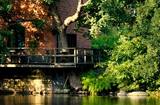 |
Svartå Manor is one of the most precious manor houses in Finland with a history of more than two hundred years. The countryside hotel consists of five different historical buildings situated in an idyllic park with a scenic river flowing nearby. Near the manor is a restaurant and a museum, where you can take a tour. |
|
 5 days
|
The historical route from Rīga to Liepāja passes through Dobele, Saldus, Skrunda, Durbe and Grobiņa, and it dates back to the 13th century. Remnants of Scandinavian settlements near Grobiņa also testify to the antiquity of the region. Many things happened on the road and around it that were directly linked to the establishment of the Republic of Latvia and to its subsequent freedom battles. At the Tīreļpurvs swamp, Latvian riflemen demonstrated their battel capabilities and heroism during the so-called Christmas battles, thus proving that a new country had been born. The trails of the swamp are open to visitors, and there is an historical exhibition at the Mangaļi homestead. Rīga is clearly marked along this route by the Latvian National Theatre, where independence was proclaimed in 1918. Later the hostile attack of Bermont’s forces was stopped at the banks of the Daugava, and the superior force was ejected from Rīga and Latvia. Approximately 70 km from Rīga is the Pikšas museum, which is the birthplace of Latvian President Kārlis Ulmanis and a good example of farming between the two world wars. The museum of Colonel Oskars Kalpaks at Airītes offers a look at battles that occurred in the region and at things that Kalpaks did during World War I and the subsequent liberation battles. There were battles near Skrunda and Saldus, and it was in Liepāja that German General von der Goltz conducted a coup that led Latvia’s temporary government to seek refuge on the ship the Saratov, upon which it sailed to Rīga after the city’s liberation. Liepāja has always been an important port, and once it offered passenger services all the way to New York. |
|
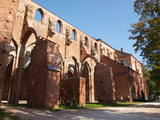 |
Eine der größten Kirchen Osteuropas (bis 16. Jh.) un die einzige mittelalterliche Kirche Estlands mit zwei Türmen. Wurde in 13. – 16. Jh. gebaut, zerstört im Laufe des Livländischen Kriegs. Im Chorteil der Kirche befindet sich das Museum der Universität Taru (früher – eine Bibliothek). Die Türme sind renoviert und in denen sind die Aussichtsplätze eingerichtet. |
|
 |
Iespēja iepazīties ar mājas vīna gatavošanas procesu, un kopā ar Krimuldas muižas vīndari izzināt mājas vīna gatavošanas noslēpumus un degustēt vīnu, kas pagatavots no dažādām ogām. Vīna īstā garša vislabāk atklājas, klausoties stāstus par muižas dzīvi! |
|
 |
At Estonia's oldest and largest beverage producer, brewery A. Le Coq, visitors of the brewery museum are invited to get acquainted with the history of beer brewing and beer culture, modern beer production as well as taste the beer. More than 2000 exhibits, opportunity to taste beer and other delicacies in the tavern of museum. You can buy beer and snacks to go with it, as well as souvenirs in the small store of the museum. |
|
 |
Ja no Pervalkas (Pervalka) pa Kuršu jomas krastu ar kājām (neliela taka) dosimies Klaipēdas (ziemeļu) virzienā, pēc 10 – 15 min gājiena nonāksim līdz Arkļu ragam (Arklių ragas, citās kartēs – Žirgų ragas), kam iepretim ~ 0,2 km attālumā no krasta uz mākslīgi veidotas akmeņainas salas slejas 14 m augstā bāka. Tā celta ~ 1900. g. vietā, kur savienojas trīs kuģu ceļi no Klaipēdas, Nidas un Ventes raga (Ventės ragas). No šejienes paveras fantastisks skats un Nagļu dabas rezervāta iespaidīgajām kāpām. |
|
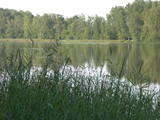 |
These two lakes, along with Lake Mazezers, Lake Auziņš, Lake Skuja and Lake Bruņķītis, are found in a sub-glacial depression with shores and hillsides that are home to various kinds of forest, including stands of broadband trees such as ash. These are protected habitats. Alongside the Priedītes homestead there is a well-appointed nature trail for visitors who wish to study Lake Dziļezers and its surroundings. A boating facility is on the north-eastern shore of the Lake.
|
|
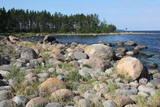 |
This is the first national park in Estonia and the Baltic States. Perfect for a day trip out from Tallinn for a hiking trip and nature watching. It was established in 1971 to protect the area that is along the Bay of Finland – the shoreline, forests, swamps, meadow biotopes, species, natural monuments, rocks, waterfalls, cliffs and cultural monuments such as ancient cemeteries, castle hills, baronial estates, fishing villages, etc. |
|
 1 day
|
Tūrisma gide Ineta Jansone piedāvā ekskursijas grupām pa Raganu purvu. Izveidota taka uz sēra dīķiem (koka celiņi 800 m garumā). Ekskursijas laikā Jūs uzzināsiet par augstā tipa purvu un unikālu biotopu – sēra avotu izplūdes vietu Ķemeru Nacionālā parka teritorijā. Šeit sastopami savdabīgi purva ezeriņi, piesātināti ar sēra baktēriju radītām nogulsnēm. Ezeriņu krastos sastopami īpašu sugu augi. Sēra dīķu apkaimē var sajust gaisā sērūdeņraža smaržu. |
|


