
| Нo | Название | Описание |
|---|---|---|
 |
Atrodas galvenās Kuldīgas gājēju ielas malā. Sadarbojas ar vietējiem zemniekiem un piedavā Kurzemes novadam raksturīgus ēdienus, kā arī ēdienus no dažādu pasaules valstu receptēm. |
|
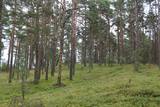 |
Возможно, что церковная гора Бакю была древним культовым местом. Сегодня она представляет собой дюнное возвышение, которое лишь немногим превышает по размерам остальные дюны. Об этом месте ходит легенда о провалившейся церкви. Места с легендами о провалившейся церкви могут свидетельствовать о том, что на конкретном месте когда-то находилось какое-нибудь христианское или языческое место для молитвы. (Источник: Роя ТИЦ) |
|
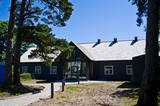 |
Livonian Community House at Kolka was opened in 2019. It is a place where you can get to know the Livonian culture of Northern Kurzeme, learn about traditional activities, listen to the sound of the language, and get an idea of the cultural and historical heritage of the coast. In House you can organize and attend cultural events, seminars, trainings, exhibitions, and also receive tourism information. |
|
 |
”Cīruļi” atrodas 5 km attālumā no Rūjienas, Jeru pagastā. Īpašums ir pārmantots no paaudzes paaudzē, īpašniekiem vienojoties kopīgā mīlestībā uz ziediem, dažādu augu audzēšanai pārvēršoties arī par vaļasprieku. Dārzā atrodamas arisēmas, ramondas, magnolijas, knifofijas, rodžersijas, ligularijas, rožainā radiola, ehinācijas un vēl daudz vairāk pazīstamu, skaistu augu. Pavasaris iesākas ar sniegarožu un daudzo sīpolpuķu plaukšanu, vēlāk - krāsainie īrisu ziedi un trauslās astilbju skaras. Daudz skaistuma un krāsainības puķu dobēm piedod heihēras un hostas, kas priecē līdz pat vēlam rudenim. Dārzā aug arī skujeņi, vīteņaugi un katru gadu ražojoši vīnogulāji, kas veido pašu dārza telpu.
|
|
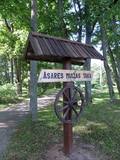 |
Asares muižas romantiskā stila dendroloģiskais ainavu parks veidots 18. gs. un papildināts 19. gs. 2. pusē. Muižas parka teritoriju ieskauj laukakmeņu mūris. Bet parkā sastopamas daudz interesantas krūmu un koku sugas: Sibīrijas baltegles, Eiropas lapegles, duglāzijas, šķeltlapainie baltalkšņi, Švedlera kļavas, košumkrūmi, dažādi lakstaugi. Liepu alejā - 2 dižkoki. Tempļa kalna atjaunotajā lapenē - muižnieku tējas dzeršanas vieta ar skatu uz pili. |
|
 |
Dvietes un netāli esošais Skuķu ezeri ir vieni no teritorijas grūti pieejamajiem palieņu ezeriem – lielākie šāda tipa
ezeri Latvijā. Palu laikā pārplūst, savienojoties vienā lielā ūdenskrātuvē.
|
|
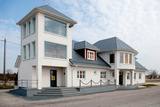 |
В находящемся в порту Сыру Морском центре хранятся различные морские суда, строятся и реновируются небольшие деревянные лодки. В порту ждет реставрации трехмачтовый парусник "Alar". В здании музея, который входит в комплекс морского центра, развернута постоянная экспозиция о местной морской культуре, есть возможность заказать тематические учебные семинары о прибрежных культурах. |
|
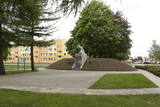 |
Находится в центре Пиньки, на улице Ригас. Посвящен событиям 1919-го года, когда 22-го мая после почти двухмесячного бездействия бригада полковника Балодиса пошла в наступление на Ригу для освобождения столицы от большевиков. Поддержку бригаде Балодиса должны были оказать немецкий ландесвер и немецкая «Железная дивизия», а также отделение русского князя Ливена. Первый памятник был открыт президентом Латвии Карлисом Улманисом 23-го мая 1939-го года. В 1951-м году советская власть его уничтожила, а в 2003-м году была установлена копия памятника (скульптор Я. Бриедис, копия О. Скарайниса). |
|
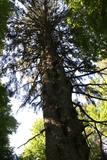 |
This is the thickest and mightiest Norwegian spruce (Picea abies) in Latvia. Its monolithic trunk, with its small holes, is unusual. The tree is in the overgrown park of the former Īve Estate, behind the ruins of the mansion.
|
|
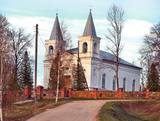 |
Дрицанский Римско-католический костёл Св. Симона и
Св. Иуды построен в 1859 году. Его алтарь готического стиля,
деревянные статуи святых, картина Симона и Иуды, в честь
которых и был назван костёл, украшены красивой резьбой по
дереву.
|
|
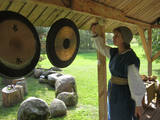 |
Мастерская Натальи Рутуле находится в здании Алсунгского музея. В мастерской проводятся мастер-классы по приготовлению различных продуктов для здоровья и красоты, а также мастерская звуков, где можно погрузиться в умиротворяющие звуки гонгов, колокольчиков и множества других инструментов. |
|
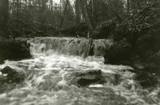 |
Here we find a set of canyon-type gullies among layers of dolomite. There are impressive outcrops and small waterfalls in the little river’s bed.
|
|
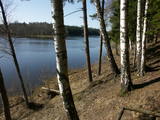 |
Озеро Валгума – протяженностью до 3
км в длину и глубиной 27 м озеро
образовалось в субгляциальной рытвине
(ледниковое).
|
|
 |
Cēsu centrālais laukums – Vienības laukums (20.gs.sākumā – Konventa laukums) – atgādina par Cēsu kauju notikumumiem, kuru nozīme un ikviena dalībnieka ieguldījums aprakstīti devīzē uz pieminekļa “No zobena saule lēca”. Cēsu kaujas 1019.gada jūnijā bija svarīgs Latvijas valstiskuma vēstures pagrieziena punkts, kad apvienotais latviešu un igauņu karaspēks sakāva vācu landesvēru, kas apdraudēja Baltijas valstu pastāvēšanu. Vienības laukums turpina būt par nozīmīgu notikumu liecinieku. 1989.gada 23.augustā daudzu cēsnieku ceļi veda uz Vienības laukumu, kuram cauri vijās Baltijas ceļš. |
|
 |
Биологическое семейное хозяйство в Вырумаа, расположенное в Национальном парке Хаанья (Haanja rahvuspark). Хозяйство занимается разведением коз и производством козьего сыра. Здесь проводятся дегустации и экскурсии, во время которых Вы сможете увидеть, как молоко, принесенное из хлева, превращается в головку сыра. |
|
 |
В хозяйстве можно увидеть редко выращиваемых в Латвии ангорских кроликов. Предлагают экскурсию с рассказом, шерсть кроликов, шерстяные изделия (перчатки, носки), племенных кроликов и консультации. Дети могут познакомиться с животными и покормить их под присмотром хозяйки. |
|
 6 дней
|
The Baltic Sea littoral on the West coast of Kurzeme is called the Great Wave Sea. The seacoast is mainly sandy. While the Great Wave Sea section is the least populated coastal area in Latvia, at the same time, the third biggest city in Latvia, Liepāja, is also located there. Steep bluffs rise before your eyes on the seacoast between Pāvilosta and Sārnate. The villages are quiet and sparsely populated. At the beginning of the route, you can see the Soviet military heritage in Liepāja Karosta Prison, taste smoked local fish in Pāvilosta and then enjoy one of the most beautiful views of the entire route to the seacoast from Užava lighthouse. The route closes in the port city of Ventspils, where there are various entertainment and sightseeing places, especially for families with children. |
|
 |
Atrodas austrumos no Alūksnes Tempļa kalna un dienvidos no Lieliem kapiem – Tempļa kalna parkā. Skatu torņa platforma atrodas apmēram 30 m augstumā virs Alūksnes ezera ūdeņiem. Labi redzama Marijas sala, Alūksnes parks, Alūksnes ezera piekraste līdz Kolberģim un Lāzberģim. Izcili ainavisks skats! |
|
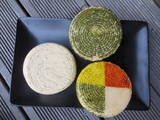 |
Талсинский молочный комбинат был основан в 1922-м году путем объединения нескольких молочных заводов. На этой базе позже было создано АО «Талсу пиенсаймниекс», одним из известнейших продуктов которого является сыр «Талсу ритулис». Продукцию АО «Талсу пиенсаймниекс» – молоко, кефир, творог, масло, сыр и другие продукты можно приобрести в находящемся рядом с предприятием магазине „Piena sēta”. |
|
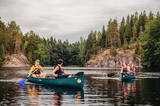 |
Within easy reach of the Finnish capital of Helsinki, visitors can escape into wild natural settings and enjoy typically Finnish scenery, with lovely lakes, green forests and rugged crags. The nearby Finnish Nature Centre Haltia spotlights the best of Finland's natural treasures from across the country. |
|


