
| No | Name | Description |
|---|---|---|
 |
Radošajā galerijā var apskatīt vairākas ekspozīciju zāles ar skulptūrām no moto/auto detaļām, individuāli pārveidotiem motocikliem, kuriem ir savs stāsts un filozofija. Latvijā vienīgais ar šādu mākslu un piedāvājumu saistīts uzņēmums. Apmeklētājiem ir iespēja doties nelielā ekskursijā, galerijas apskatē ar gidu. Pēc apmeklējuma ir iespēja doties uz kafejnīcu, kurā var nobaudīt kafiju un mājās ražotus kulinārijas izstrādājumus, arī noskatīties dažādas video īsfilmas par uzņēmuma darbību. Pieejama unikālo NESTER CUSTOM suvenīru iegāde. |
|
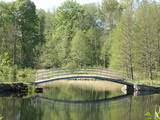 |
The Zasa park is an estate park that is on the shores of the little Zasa River near the Zasa millpond (toward the North of Zasa). The landscape park dates back to the 18th century and is in the style of Romanticism. The park was installed when the mansion of the Zasa Estate was built. It was owned by Heinrich von Zass, after whom the Zasulauks neighbourhood of Rīga is named. When ownership of the estate changed in the 19th century, the Zasa Estate was seen as one of the wealthiest and most beautiful estates in the region. It is worth hiking through the vast park with its many bridges, the Werewolf tree, the Devil’s rock and a sacred stream. There are guides who will accompany you on a tour of the park. +371-2633-7227. |
|
 |
The open kitchen of the restaurant allows the guests to experience an exciting performance by its chefs, who cook various fish and meat dishes on a fiery charcoal grill. Chef: Lauris Aleksejevs. Three-time consecutive winner of the Best Restaurant in Jūrmala title. |
|
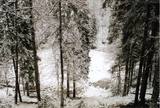 |
This territory in the northern part of the Dzūkija Highlands with lots of hillocks and lakes. The most interesting tourist destination is Velnio duobė (Devil’s Flowerbed) – a funnel-shaped hole that is up to 40 m deep and 200 m wide and is thought to have originated during the Ice Age.
|
|
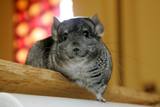 |
The owner of the farm offers attractive tours during which you will learn about chinchillas, animal enclosures, as well as quails which you can view and purchase. |
|
 |
Vom 18. Jh wurde die Stadt ein russischer Marinestützpunkt. Von 1962 bis 1994 war Paldiski ein Übungszentrum für atomare U-Boote der Sowjetischen Marine mit zwei auf dem Festland befindlichen Kernreaktoren (ung. 16.000 Beschäftigte) und eine "geschlossene Stadt". |
|
|
|
Der weiteste Nordpunkt der Insel Hiiumaa. Der höchste Leuchtturm Estlands aus Roheisen (1873 – 1875) und das Denkmal zur Errinerung an die bei dem Unglück des Schiffes ‘Estonia” Umgekommenen. |
|
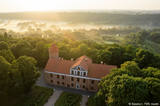 |
The Raudondvaris Castle is on the right bank of the Neveža River in Raundondvaris. The estate and a park that covers 3.8 ha has two buildings, an orangery, a stable for horses and a cellar. Alongside the estate in 1834 was a park that was rebuilt in the 20th century with new plants and flowerbeds that featured ancient types of roses. The northern part of the park is forested, with maple, pine and linden trees, as well as Edelweiss that blooms in the spring. Paths in the park lead to a local environmentally protected area. |
|
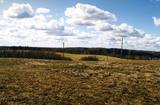 |
No ģeogrāfiskā un kultūrvēsturiskā viedokļa interesanta teritorija Latgales augstienes Rāznavas paugurainē, kuras nozīmīgākie resursi ir dažāda veida biotopi, ainavas, reljefs un Šķaunes ezers. Istras pauguraines dabas parkā nav ar tūrismu saistīti labiekārtojumi, bet šo teritoriju var apskatīt arī „no malas”, braucot pa grantēto ceļu no Soboļinas uz Osinovku, kas iet līdztekus parka ziemeļu robežai (skats uz Šķaunes ezeru).
|
|
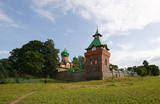 |
Pühtittsa Convent at Kuremäe was established in 1891 and is the only operating Russian Orthodox nunnery in Estonia. Centuries ago there was a sacred grove on Kuremäe hill and a sacrificial spring at its foot, the spring is considered “holy“ for its curative powers. The convent compound is open to visitors; guided tours run by nuns can be booked to learn more about the daily life of convent residents. |
|
 |
One of the youngest Latvian towns, in 2013 it will celebrate its twenty year anniversary. A number of significant scientific institutions in a Latvian scale is located in Salaspils (in Soviet times it was built as a science centre) - Institute of Biology, Institute of Inorganic Chemistry, Institute of Physics, National Botanic Gardens, former Salaspils nuclear reactor and the Forest Research Institute "Silava". Over the last decade the infrastructure has been developed, as well as wide areas of private houses are developed. In 1996 a new Catholic church was built in Salaspils. Most of the town residents commute each day to Riga for work. |
|
 2 days
|
This section of the Baltic Coastal Hiking Route is suitable to hardy hikers who like to travel across uninhabited places. In many places, reeds, floodplains with pastures and wetlands stretch across the Estonian seacoast, which is why the itinerary often leads you along forest and country roads. In the second half of summer you can pick the mushrooms and berries in the coastal forests. Pärnu is a popular resort city with many cafés, live music, SPAs, hotels and a beautiful Old Town. |
|
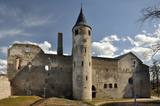 |
This is one of several remarkable medieval strongholds in Estonia; the convent house, mysterious cellars and displays with numerous finds and exhibits are open to visitors; the children’s playground in the courtyard contains attractions inspired by the Middle Ages. |
|
 |
The saloon is located near the Kuldīga ring road. This is a slow-serve saloon with foods cooked on alder wood on the basis of the slow food principle. The saloon offers “meals in the garden”. Latvian cuisine: Bean salad, sprats with cottage cheese, oatmeal with smoked meat, false goose, pike-perch sautéed in cream, cod with onions and tomatoes, potted mutton, beef with onions, hunter’s style pig liver, potted sautéed vegetables, hot dumpling soup with blackberries, wild berries with whipped cream, apples caramelised in honey, cottage cheese desserts. |
|
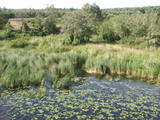 |
This is a territory which regularly floods when the Lielupe River crosses its banks. These are flood-land meadows of importance to birds. The area can be surveyed from the Rīga-Liepāja highway and the Kalnciems road which runs along it. |
|
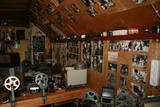 |
This is a collection of cinema and photography items collected by the owner of the Ziķu homestead in the Zirņi Parish, which is in the Saldus Administrative District. The collection includes antique film cameras and objects that demonstrate the process of taking pictures and films. The exhibition is in a log building that the owner built – one that resembles bee cells. Please contact the owner in advance for a tour. |
|
 10 days
|
This tour will surprise you with the diversity and unusual products of farms. You will visit several farms that offer ecological produce that can be tasted and purchased. From Vilnius, you will travel to an ecological goat farm that offers 60 types of cheeses made of goat milk. Next you will visit an ethnographic Lithuanian farm that breeds horses and sheep. You will spent a day in Kaunas to visit the Nemuna River valley, as well as the Raudone and Panemune castles. A picnic at a farm with acorn coffee, pancaked baked on a campfire and soup made of locally picked wild mushrooms. The ecological Buivydai farm breeds cattle and grows blackberries. Along the way you will visit the Courlandian Dune, the Sea Museum and Delphinarium and the most popular spa town in the dunes, Nida. From there you will drive to Latvia, where the Pape Nature Park offers a look at wild horses, and the ethnographic Ķoņi village is an old seashore fishermen's village. In Liepāja, it will be worth visiting the local market, which is more than 100 years old and offers seasonal vegetables, fruit, greens and flowers from local farms. Next you will visit an environmentally friendly farm that has 130 different types of apples and a wine operation that prepares wines from local fruits and berries. The farm uses biodynamic farming principles to grow beans and peas, as well as to breed livestock so as to produce tasty sausages. Next you will visit the lovely Medieval town of Kuldīga and its brick bridge across the Venta River. An environmental health farm will allow you to enjoy herbal teas and learn about various ecological cosmetics made of plants from the clean environment. Along the way you will enjoy the landscape of the ancient Abava River Valley and visit the Sabile wine hill where grapes are grown to produce local wines. Next you will visit the charming small town of Talsi, where you will find the Latvian Agriculture Museum. The tour will conclude at a farm which grows fruits and vegetables and offers syrups, jams and canned vegetables. You will complete you tour in Rīga. |
|
 |
Liepājas novada zaļā produkta, kultūrvēsturiskā mantojuma, seno lauku tradīciju saglabāšana un popularizēšana pilsētvidē. |
|
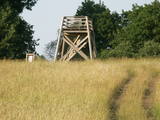 |
Here the visitor will find an ecological tourism trail in the ancient Embūte valley. The hills around Embūte date back to the Ice Age. There are valleys and forests of many fallen trees which are protected habitats. The visitor will learn about important natural and cultural monuments – the Embūte castle hill, as well as the ruins of a baronial estate, a castle and a church. The Courlandian chieftain Indulis died in the region. The visitor can view the Devil’s Dam, along with meadows, a viewing tower, etc. There are bicycler routes in the region. The site is located in the Embūte nature park. |
|
 |
The saloon is on the corner of two historic roads – the Rīga-St Petersburg road and the Cēsis-Vecpiebalga-Madona road. It uses ingredients from local farms and vendors. Latvian cuisine: Grey peas with bacon, dumpling, beet or wild mushroom soup, bean salad, herring with boiled potatoes and cream, farmer’s ramekin, roast pork, potato pancakes, crepes, bread soup, strawberry dessert, homemade ice cream. |
|


