
| No | Name | Description |
|---|---|---|
 |
A café and bakery in Kuldīga that offers fresh, home-made pastries until the very evening. |
|
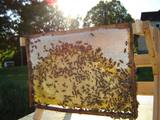 |
This family company offers high-quality and traditional beekeeping products in the Gauja National Park. There are some 110 hives of bees, and the products include honey, pollen, bee bread, wax and propolis. The owners also produce new and unprecedented products which satisfy the demand of clients for something that is unusual, but healthy. You can take a tour and purchase honey. |
|
 |
Atrodas ļoti skaistā vietā – Krimuldas muižas kompleksa teritorijā, vienā no muižas vēsturiskajām ēkām. Mājīgs interjers, mākslinieka J. Annmaņa apgleznotas sienas. Piedāvā turpat muižā darinātos mājas vīnus un „Muižas stipro”. Garšīgas tējas, uzkodas un siltie ēdieni. |
|
 |
Saimniecība "Dižgāļi" Alsungā nodarbojas ar bioloģisko lauksaimniecību, gaļas liellopu audzēšanu un aitu audzēšanu. Apmeklētājiem ir iespēja aplūkot saimniecību, tajā esošos dzīvniekus, kā arī iegādāties svaigo produkciju. Saimniece pastāstīs par vietas vēsturi, kā arī pacienās viesus ar vistas zupu. |
|
 |
Mazs vietējais uzņēmums, kas ražo dažādus gardumus no ogām, augļiem un dārzeņiem. Interesenti tiek aicināti iegriezties ražotnē, lai iegādātos dažādus interesantus saldumus vai nobaudītu pašu gatavotu saldējumu. Iepriekš piesakoties, draugu grupām, ģimenēm u.c. kolektīviem ir iespējams piedalīties produktu degustācijās vai meistarklasēs. |
|
 |
Avinurme Cultural Heritage Centre exhibits displays of local cultural history and runs workshops for woodwork and handicraft. Old workbenches are used for carpentry, and spinning and weaving skills can be honed too. 1-3-hour programmes are available for groups. |
|
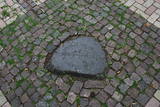 |
The Strūves Park is toward the northwest of Jēkabpils, on the left bank of the Daugava, and opposite the Ādamsona (Krustpils) island. The park was established in the 19th century as a place where the city’s residents could relax and hold celebrations. It can be said with absolute certainty that this is a place of global importance, because the park contains a memorial stone to Professor Friedrich Georg Wilhelm Struwe (1793-1864) from the University of Tartu. He was an astronomer and geodesist. The stone is at a place where Struwe completed his land survey of the Vidzeme Province of the Russian Empire. The meridian location which Struwe identified (and other points related to those locations are found in many other European countries) is on the UNESCO list of world heritage. |
|
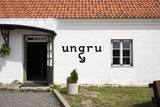 |
Ungru is a seaside hotel in the north of Hiiumaa. There is a high-class restaurant on the ground floor. The second floor has 4 rooms with all amenities. Dauble Deluxe beds with sea views. |
|
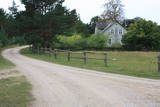 |
This is an ancient populated area. There were 50 homesteads here during the 1930s, with only ten remaining in 1990. The Livonian scholar and entomologist Kārlis Princis (1893-1978) was born in Oviši. In 1944, he emigrated to Sweden. The Oviši lighthouse (1814) is 38 metres high and is the oldest functioning lighthouse in Latvia. There are lovely views from the top of the lighthouse. The building in which employees of the lighthouse used to live was erected in 1905 and has been preserved. A narrow-gauge train station was in the building at one time. The Oviši Lighthouse Museum is nearby, as is the metal Tree of Austra. Opposite Cape Oviši is a great place for bird watching. |
|
 |
Sprižu ģimenes bioloģiskā saimniecība "Dabas Gardumi" atrodas Mārupes novadā un tā apsaimnieko ogulājus 23 ha platībā. Audzē avenes, upenes, jāņogas, ērkšķogas, sausseržus, piparmētras, ābolus, plūmes u.c. Visas ogas svaigā veidā tiek piedāvātas sezonas laikā, kā arī tiek pārstrādātas, no kurām ražo dažādus augļu - ogu gardumus: augļu-ogu bumbiņas, salmiņus, sulas, marmelādes un tējas. Saražotā produkcija ir dabiska, garšīga, veselīga, šķiedrvielām un vitamīniem bagāta, jo pārstrādes procesā augļiem, ogām un garšaugiem tiek saglabāts pēc iespējas lielāks tā dabiskais sastāvs. Pārsvarā gardumi top no pašu izaudzētiem un savāktiem dabas izejmateriāliem (augļi, ogas, garšaugi), ražotajiem produktiem netiek pievienots cukurs, līdz ar to augļu-ogu gardumi ir lieliska gan ikdienas, gan svētku uzkoda kā maziem, tā arī lieliem baudītājiem. |
|
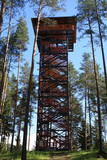 |
Atrodas 6,5 km ziemeļos no Cirgaļiem, P 23 ceļa malā, Ziemeļgaujas aizsargājamo ainavu apvidū. Torni vērts apmeklēt pavasara laikā, kad no tā redzamas applūdušas Gaujas palienes. |
|
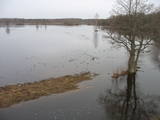 |
Jēsū – Kepu ceļa malā pie Leti (Läti) ciema ir izveidots autostāvlaukums ar putnu vērošanas torni, no kura paveras skats uz Hallistes upes palieņu pļavām un tuvējā ciema apkārtni. Stipru palu laikā arī no šī torņa redzamā apkārtne (izņemot ceļus) var atrasties zem ūdens. Laba putnu vērošanas vieta. Läti tulkojumā no igauņu valodas nozīmē Latvija. |
|
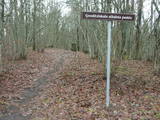 |
Zilais (Blue) Hill is the highest point in the Idumeja highlands – it is a very distinct hillock covered by forest, and from it there is a “narrow” landscape featuring the northern part of the highlands, as well as the Burtnieks flatlands. The restricted area is there to protect habitats such as gullies, hillsides and the boreal (northern) forest of the area. Zilais Hill is a popular tourist destination.
|
|
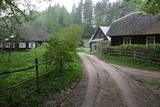 |
Liela meža masīva vidū gleznainās Būkas (Būka) upes krastos starp kokiem ieslēpies teiksmainais Vaišnoriškes ciems. Šis ir viens no skaistākajiem nacionālā parka etnogrāfiskajiem ciemiem. Vaišnoriške kā apdzīvota vieta sākusi veidoties 1756. g., kad šeit sena vēsturiska ceļa malā darbojies krogs. Pirmā viensēta ciematā ir zināma no 1830. g. Šodien redzamā apbūve ir tapusi g.k. 20. gs. sākumā. Ciems ir palicis cilvēku atmiņās ar liepu medu, jo meža velšu vākšana un biškopība bija viena no galvenajām šejieniešu nodarbēm. Tagad ciemā ir piecas sētas. No Vaišnoriškes var uzsākt laivu braucienu pa seklo un dzidro Būku. |
|
 |
Guests can walk around and take photos at the lavender field, relax in the cozy and fragrant Provencal style neighborhood. |
|
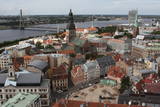 |
St Peter’s is one of the oldest historical monuments in the Baltic States, and it is also the best place from which to survey the historical centre of Rīga, which is part of the UNESCO list of world cultural heritage. You can see the central part of Old Rīga, City Hall Square, the Pārdaugava region on the opposite side of the river, and even – during clear weather – the Bay of Rīga. The tower of the church is 123 metres high, but the viewing location is at a height of 72 metres.
|
|
 |
The farm produces dried pork blood sausage, and other meat products. You can take a tour and purchase the products. |
|
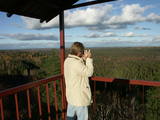 |
The viewing tower is in the southern part of the reserve, along the Ļaudona-Mārciena road and on the Madona-Trepe embankment. Here you can view a very wide territory all the way to the Vidzeme highlands, including Gaiziņkalns Hill if the weather is clear. At the foot of the tower you will see the lakes known as Small and Great Lake Plencis. |
|
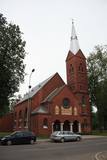 |
The church was built between 1932 and 1938 to replace an old Neo-Gothic wooden church. It was designed by J. Cīrulis. Until 1994, the building housed a venue that rented out films. Today it houses an exhibition, “From Foundations to the Steeple: Photographs of Ancient Lettigalian Construction Jobs.” This documents the construction of the church. The 37 metre steeple offers a good look at Rēzekne. |
|
 |
The saloon is on the edge of the Rīga-Liepāja highway (A9) at the 22 km road marker. Most of the dishes are based on ingredients from the forest. The interior design is based on hunting, and there is a paddock of wild deer alongside the restaurant. Latvian cuisine: Roast buck, roast wild boar, venison steak, roast lamb, stuffed river trout. |
|


