
| No | Name | Description |
|---|---|---|
 |
The farm shows traditional rural life activities, raising sheep and Estonian Blackhead sheep. A heritage trail on the farm takes in a sacred grove, ancient burial sites and fields, and we tell stories of ancient Estonians and history of the farm. Handicrafts are displayed and wool workshops are offered. |
|
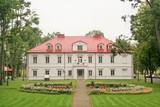 |
This is a lovely park and a reconstructed estate from the mid-19th century, located 14 km away from Panevežys in northern Lithuania. The estate was established during the latter half of the 19th century, and during the 20th century, various buildings were erected, including a two-story mansion with two floors (mid-19th century), stables, cellars, a gardener hut and ancillary buildings. The mixed-type park with ponds was installed in during the latter half of the 19th century. There was a large pergola on a hillock in the park, and it was alongside the gardener's hut. The silhouette of the park is enlivened by newly pave pathways and little bridges that link the ponds. |
|
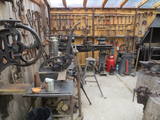 |
Saimniecības zemi, kas atrodas starp Ulbroku un Vālodzēm, 1929. gadā nopirka tagadējā saimnieka – Dzintara Āboliņa vectēvs. Tajā laikā arī tika uzcelta klēts, kurā glabāja saimniecībā izaudzēto lauksaimniecības produkciju. Krīvu klēts atdzimšana notika pirms 20 gadiem, kad tagadējie saimnieki tajā uzsāka veidot muzeju no sadzīves priekšmetiem un darba instrumentiem, kas savulaik izmantoti Krīvu saimniecībā. |
|
 3 days
|
Šis ir viens no 6 ceļojuma maršrutiem sērijā "Baudi laukus!", un tas aicina apmeklēt Lauku Labumus – visdažādāko veidu un nozaru saimniecības un uzņēmumus, kas atvērti apmeklētājiem, piedāvā ekskursijas, nogaršot, apskatīt un iegādāties savus ražojumus. Tur apskatāmi mājdzīvnieki, mūsdienīgas lauku saimniecības, amatnieku darbnīcas, iegādājami lauku produkti – maize, medus, mājas vīns un alus, siers, ogas, augļi, zivis, gaļa, dārzeņi, tējas un citi laukos audzēti labumi. Pa ceļam iespējams ieturēt pusdienas lauku krodziņos. |
|
 |
Farmer’s market Lõunakeskus sells locally grown Estonian produce or products made from local ingredients both for everyday life and festive occasions. Versatile products come mainly from farms in Southern Estonia, but can also be found in other Estonian regions. There is also a cosy café, where you can enjoy meals made from fresh produce from the market. |
|
 |
This village is at the place where the Irbe (Dižirve, Īra) River flows into the sea, and it is on both shores of the river (sea side and land side). The name of Irbe was recorded for the first time in a 1310 border agreement between the bishop of Kurzeme and the Rīga Dome Capitol. The name of Lielirbe (Irvemūnde) was recorded for the first time in a document from an arbitration court in 1387. At the end of the 19th century, the small port at Lielirbe was an active centre for the sale and transport of timber materials. In the late 19th and early 20th centuries, the largest number of sailing ships among villages on the western shore of Kurzeme was built there. In 1939, the village had some 300 residents, more than 70 houses and a Baptist church which is now at the Ventspils Open Air Museum. A narrow-gauge railroad passed through the village, which had a post and telegraph office, two grocery stores, an elementary school, a choir and a brass band. Lielirbe was one of the largest villages to disappear after World War II. Cultural historian Valda Marija Šuvcāne (1923-2007) was born in Lielirbe, and her daughter, Baiba Šuvcāne, is continuing her mother's work by writing important papers about life along the Livonian coastline. By 2019, a bridge is to be reinstalled across the Irbe River. |
|
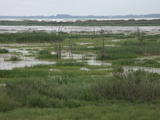 |
The Lake Lubāns depressions which are alongside the lake’s western and south-western parts feature little-changed forests and swamps, where many rare and protected birds nest. Many uncommon and protected habitats are in the region.
|
|
 |
“GREEN HIVE” ir pārtikas ražotāju uzņēmums, kas nodarbojas ar medus un ogu pārstrādi. Uzņēmums atpazīstams ar saukli “Medus citās garšās!”. “GREEN HIVE” piedāvā vairāk nekā 60 produktus – medu daudzās un dažādās garšās, kā arī sīrupus, sulas un nektārus. “GREEN HIVE” atbalsta zaļas Latvijas ideju, un ievēro šo pārliecību uzņēmuma ražošanas procesā, dzīvojot saskaņā ar dabu un lietojot dabas dotus produktus. Ražotnē uzņem tūristu grupas, produkciju iespējams degustēt un iegādāties. |
|
 |
Liepājas novada zaļā produkta, kultūrvēsturiskā mantojuma, seno lauku tradīciju saglabāšana un popularizēšana pilsētvidē. |
|
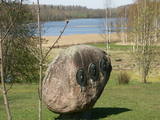 |
The main goal of the Vestiena protected landscape area is to protect the landscape values in the Vidzeme highlands. The protected area is in the middle of the Vidzeme highlands with the highest and most prominent relief, including Gaiziņkalns, the highest spot in the country. The many lakes found in the area - Viešūrs, Talejas, Kāls, Pulgosnis and others – not only add to the variety of the landscape, but also offer tourism and recreation options. The Vestiena protected landscape area encloses several other especially protected/Natura2000 sites – the Gaiziņkalna nature park, the island of the lake Kāla, the lake Ilziņa restricted natural area. Among the most interesting tourist attractions are the Vestiena estate, the Piekūnu wandering trails, the Gaiziņkalna nature trail. The area is rich in landscapes, however, there are no viewing spots or towers installed to observe the landscape. On the top of the Gaiziņkalns, the Latvia’s highest spot, there still stands the wreck of the former viewing tower.
|
|
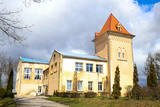 |
Druvienas muižas pirmsākumi ir meklējami 17. gs. beigās. Tagad redzamā apbūve ir veidojusies 19. – 20. gs. Līdz mūsdienām ir saglabājusies muižas pils (1898. g.) un saimniecības ēkas – klētis, kūtis, kalpu mājas. Muižas pilī 20. gs. 50. gados izvietoja pamatskolu. Diemžēl sākotnējie ēkas interjeri nav saglabājušies. Pili ieskauj parks. Šobrīd ēkā atrodas Druvienas Latviskās dzīvesziņas centrs, kas piedāvā dažādas aktivitātes un radošās darbnīcas. |
|
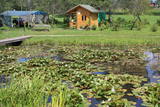 |
On the edge of the Bērzkrogs-Madona road in the centre of Vecpiebalga, you will find a pond full of various types of water lilies of different colours. The owner will tell you all about the popular folk song about water lilies from Vecpiebalga, offer plants for sale and offer practical advice. The pond also has carp which children can feed by hand while their parents are listening to the stories. |
|
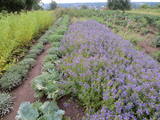 |
The farm is along the upper reaches of the Daugava Ancient River Valley, and it offers more than 100 types of plants, including decorative plants, herbs, medicinal plants and traditional Latvian farm plants. You can tour the largest field of so-called Northern kiwis in Latvia. Take a tour, purchase plants, taste teas, fruits and berries, and receive consultations from the owner. |
|
 1 day
|
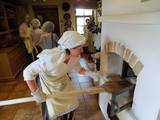
Since ancient times bread has been our staple food, and formed part of breakfast, lunch and our evening meal. We bake bread from rye, wheat, buckwheat and barley. Both fine-ground and wholemeal flour is used. Bread baking is one of the most honoured traditional skills in Latvia. Caunītes country house keeps Latvian traditions alive and demonstrates them to visitors. The house is designed and decorated in the traditional Latvian style and exudes an authentic ambience while having modern facilities. Under the guidance of the hostess, visitors will bake their own loaf of sweet-and-sour bread in a wood-fired bread oven. In Latvian families it was traditionally one of the main duties of the lady of the house to bake a week’s supply of bread for the whole family every Saturday morning. Every woman was proud of her own unique recipe and passed it down to her daughters and granddaughters through the generations. There are many traditional beliefs, sayings and riddles linked with bread in Latvian folklore. Today, there is great interest in the old recipes, bread-baking methods and the use of organic ingredients as many families are opting for a healthy lifestyle. |
|
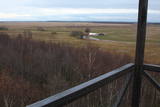 |
Suitsu tornis celts 1979. g. kā pirmais Matsalu rezervāta metāla tornis. To atjaunoja 1998. g. Torņa augstums ir 21 m, tādēļ no tā paveras izcila dabas un kultūrainava uz Kazari deltas niedrājiem un blakus esošo Suitsu upi (Suitsu jõgi), kuras krastā ir uzceltas vairākas zvejnieku laivu būdas. |
|
 |
Ideja par "DA'ZIEPE" radās iedvesmojoties no Amatas novada dabas un idejas par pilnvērtīgu pieejamo resursu izmantošanu. Ziepes tiek gatavotas no liellopu vai briežu taukiem, augu eļļām un ziepju zālēm, kā arī papildinātas ar dažādām ēteriskajām eļļām un dabīgajiem aromātiem. |
|
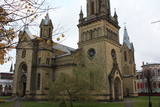 |
Atrodas starp Kr. Valdemāra un Kuršu ielām. Viena no iespaidīgākajām un greznākajām pilsētas celtnēm, kas būvēta neoromantikas formās. 19. gs. beigās katoļu draudze nevarēja saņemt atļauju jauna dievnama celtniecībai, tādēļ uz vecās ēkas uzbūvēja jaunu, kur vecā baznīca tapa par lielākās ēkas sānu kapelu. Baznīcas sienas un koka griestus rotā attēli ar Bībeles sižetiem. Dievmātes kapelā saglabājies mazās baznīcas (no 18. gs.) centrālais altāris. Baznīcas griestos ir iekārts burinieka modelis, ko dāvinājuši vētras laikā izglābušies jūrnieki. |
|
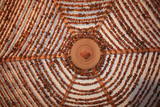 |
This is a unique opportunity to watch the work of various craftspeople (amber workers, jewellers, weavers, seamstresses, etc.) and purchase their masterful work. You will see the world’s longest amber necklace (123 m, 19 kg!!), which was made with bits of amber that were contributed by local residents. Creative workshops are organised for children. |
|
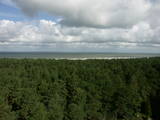 |
This lighthouse is in Ovīši, which is an ancient Livonian village. The 38-metre lighthouse on Cape Ovīši was built in 1814 and modernised in 1860, and it is the oldest functioning lighthouse in Latvia today. Visitors will get a great view of the shores of the Baltic Sea and the forests which cover them. The lighthouse also offers an exhibition devoted to the history of lighthouses in Latvia.
|
|
 1 day
|
Kihnu Island is the largest island in the Gulf of Rīga and the seventh largest island in Estonia. Its total area is 16.9 km², the island is 7 km long and up to 3.3 km wide. The former seal hunter and fishermen’s island, with around 600 inhabitants, is currently eager to maintain its identity in spite of everything. The unique characteristics of the Kihnu cultural space, like the lifestyle of the community, the diverse cultural traditions, the Kihnu language, music, national costumes and nature, are included in the UNESCO cultural heritage list. A coastal route that goes through four villages – Sääre, Linaküla, Rootsiküla and Lemsi - will help you to discover the cultural and natural values of Kihnu Island. You can visit Kihnu Museum all year round and get insight into the history of the island, including the life of the famous local captain, Kihnu Jõnn. It is also worth seeing Kihnu Church and the cemetery located across from the museum. In the summer, you can enjoy a beautiful view of the island, the surrounding sandbanks and the sea from the lighthouse. The commemorative stone by the former house of Kihnu Jõnn introduces you to the island’s legendary “wild captain”. |
|


