
| No | Name | Description |
|---|---|---|
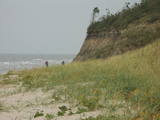 |
The Ziemupe nature restricted territory is on the shore of the Baltic Sea, and it protects a wide variety of coastline biotopes. The distinguished grey dunes are found here, as are various kinds of forest biotopes, some of them quite rare in Latvia. There are many protected plants and animals in the area, too. The Akmensrags lighthouse and several tourist accommodations, like camping Laikas who "Sējējs" award, are in the territory. On the sea shore not far from center of Ziemupe there is well-appointed parking area with information stands. |
|
 |
This exhibition has been assembled over the course of many years by its owner, Valdis Tumovs. He features war weapons, fragments of munitions, uniforms, everyday objects, military equipment such as a motorcycle, etc.
|
|
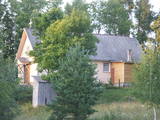 |
The present wooden church on the hill was built in 1947 but today it has been restored. Currently, the deanery of Rezekne is located there. Every day you can see it from the outside. Until 1960, in Dukstigals there were two congregations: White Dukstigals (Šadurska) and Black Dukstigal (Slobodska). In White Dukstigals, the church was built in 1775. In 1960, during the time of the Soviet power, the church was violently demolished, despite the fact that it was an architectural monument and the oldest wooden church in Latgale-367years old! The "excuse" was the explanation that one congregation must not have two churches. |
|
 |
The restaurant is in the Grand Hall of the restored Liepupe Estate. Ancient cooking traditions are merged with modern culinary methods. The restaurant works with local farmers and grows greens and herbs in its own garden. Guests are welcome to help with preparing foods on a wood-fired stove in the antique kitchen. Latvian cuisine: Rye bread canapé, a plate of Latvian cheeses, country salad with greens, grilled seasonal vegetables, estate stock, local fish dishes, baked port chop, baked herb-crusted mutton. |
|
|
|
A marked hiking route (a guide will be needed) begins at the Jēči windmill, which was built in 1878. Nearby is a dendrology park and a collection of rocks. You will learn about moraines and other geological features in the region, study various kinds of swamps, see the unique piles of rock at Pugas, as well as the Kraujiņi rock. The route is 7 or 5 km in length, returning at the starting point, and it will take some four hours to traverse. Be sure to put on waterproof boots!
|
|
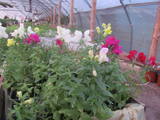 |
The farm grows and offers vegetables, annual and perennial flowers for gardens, as well as decorative bushes and trees. The owners will design gardens and other green areas, sell saplings and accept commissions for the growth of saplings. You can learn all about the secrets of growing decorative plants and receive advice from the owners. |
|
 |
The saloon is on the corner of two historic roads – the Rīga-St Petersburg road and the Cēsis-Vecpiebalga-Madona road. It uses ingredients from local farms and vendors. Latvian cuisine: Grey peas with bacon, dumpling, beet or wild mushroom soup, bean salad, herring with boiled potatoes and cream, farmer’s ramekin, roast pork, potato pancakes, crepes, bread soup, strawberry dessert, homemade ice cream. |
|
 |
Krodziņš "Rančo" atrodas Rīgas - Liepājas šosejas 136. kilometrā, un saviem apmeklētājiem piedāvā gardus ēdienus un omulīgu atmosfēru. Ēdienkartē iekļauti latviskie ēdieni, ir iespējams pasūtīt banketus. Latviešu virtuve: Skābu kāpostu zupa, skābeņu biezzupa, aukstā zupa, asinsdesa, pelēkie zirņi ar speķi, siļķe ar biezpienu un kartupeļiem, kartupeļu pankūkas, plānās pankūkas. |
|
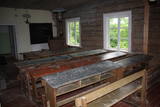 |
The Old School of Druviena is alongside the Druviena-Liezēre road. The historical school building became home to a museum in 1964. The school is closely linked to the great Latvian writer Jānis Poruks (1871-1911), and a memorial room to him has been installed in the building. On the second floor, you can look at a classroom, sit on an old-time school bench and try to imagine yourself as a schoolchild long ago. Interesting exhibits include boxes in which children brought food from home – the same ones which were used by two of Poruks’ most popular characters, Cibiņš and Buņģis. |
|
 |
This institution offers a look at characteristic rituals that relate to environmental transformation, as well as at ancient Baltic faiths. Family and calendar celebrations are held here, including weddings, hen parties, consecration, mid-winter activities, etc. Some of these are pagan festivals. The educational programmes are meant for adults. |
|
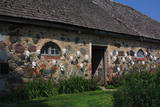 |
Meklējama Skaistkalnes dienviddaļā, Mēmeles labajā krastā, Skolas ielā 5. Vietvārds Šēnberga tulkojums no vācu valodas nozīmē „Skaistais kalns”. No sarkanajiem ķieģeļiem celtā divstāvu muižas pils (historisma stils) tapusi ap 1894. g. (arhitekts Pauls Makss Berči). Ēkā ir saglabājušies dekoratīvās apdares elementi un iespaidīgs kamīns (vienīgais tāds Latvijā), uz kura atainota dzimtbūšanas atcelšanu Latvijā. Kamīnzālē atrodas pirms četriem gadiem atjaunotais griestu plafons. Muižas pilī atrodas Skaistkalnes vidusskola. Muižu ietver parks, kurā atrodas citas ar muižu saistītās ēkas. |
|
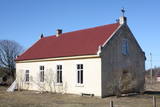 |
This is a simple one-story building with a cross on its roof. The Pitrags congregation was established in 1890, but the church was built in 1902. It was restored after a World War I fire in 1925 and 1926, and restored again during the period of Latvia's restored period of independence. |
|
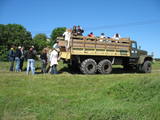 |
Ap 6 km garā pussala ir vieta, kur jānokļūst tiem, kas grasās doties vienā no neparastākajiem pārgājieniem pāri jūras šaurumam. Cauri Kūsnemmes pussalai līdz tās ziemeļu daļai iet šaurs un ļoti līkumains grants ceļš (ar garāku tūristu autobusu jābrauc lēni un uzmanīgi), kura galā izveidots autostāvlaukums, neliels namiņš, kur patverties lietus un vēja laikā, kā arī informācijas stends. Turpat redzamas divas Padomju armijas „KRAZ” tipa automašīnas. Lai sasniegtu robežkontroles posteni, Padomju robežsargi brauca pa jūru un mazajām saliņām, kas kā pērļu virtene savieno Kūsnemmes pussalas galu ar Vilsandi salas dienviddaļu. Turpat divas desmitgades pēc Igaunijas neatkarības atjaunošanas „KRAZ” automašīnu kravas kastēs vasaras laikā uz Vilsandi vizināja tūristus, taču spēkrati savu mūžu ir nokalpojuši un unikālais piedāvājums vairs nav spēkā! Ko darīt? Pa mazajām saliņām uz Vilsandi var doties ar kājām. To var īstenot tikai siltā laikā, kad nav gaidāms stiprs vējš un ir zināma laika prognoze vismaz divām tuvākajām dienām. Kā sava veida orientieris var kalpot augstsprieguma elektrolīnija. Kopumā ir jārēķinās arī ar 1 h 40 – 2 h ilgu un ~ 4 km garu gājienu. Dziļākā vieta (ja ietur pareizo „kursu”) atrodas pārgājiena sākumdaļā, kur starp saliņām izveidots laivu ceļš - ~ 1 m dziļa vieta atkarībā no vēja virziena un ūdens līmeņa. Zināmu priekšstatu par maršrutu sniegs redzamā ainava, kas paveras no skatu torņa. Kaut arī šis maršruts tiek reklamēts dažādos informatīvajos materiālos, atbildību par tā veikšanu uzņemas katrs pats! |
|
 |
The café is in the historical centre of Tukums in Brīvības Square. Latvian cuisine: Porridge. |
|
 |
Saimniecībā tiek piedāvāti dažādi biškopības produkti: medus, bišu maize, propoliss, vaska sveces. Iespēja sarunāt izzinošu ekskursiju - ceļojums bišu pasaulē ar gulēšanu uz bitēm. Tiek piedāvāta arī loku šaušana un zāļu tējas. |
|
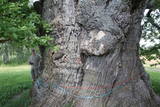 |
Most of the great tree’s mighty branches are gone, and among those that are still there, the thickest ones are held up by supports, and the tree’s hollow centre is protected against snow and rain with a little roof. This is the thickest Common Oak (Quercus robur) in Latvia and the Baltic States. Indeed, it is one of the thickest oak trees in all of Northern Europe. The tree is a gorgeous part of the surrounding landscape. There is a car park and an information stand nearby.
|
|
 |
Atrodas Kūrmājas prospekta turpinājumā pie gājēju ietves, kas ved uz jūru. Piemineklis (uzstādīts 1977. g.) simbolizē sievieti, kas gaida mājās pārnākam savu vīrieti. |
|
 |
Dvietes un netāli esošais Skuķu ezeri ir vieni no teritorijas grūti pieejamajiem palieņu ezeriem – lielākie šāda tipa
ezeri Latvijā. Palu laikā pārplūst, savienojoties vienā lielā ūdenskrātuvē.
|
|
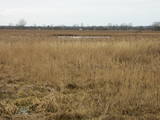 |
Most of this restricted area is made up of a shallow and eutrophic body of water in which many species of birds, including some that are rare and protected, nest. Specialists say that anywhere between 150 and 450 pairs of black-headed gulls nest in this area on a regular basis.
|
|
 1 day
|
Route meanders between a rocky seacoast richly overgrown with reeds and other grasses on one side and wooded seaside dunes on the other side. In some places, the beach is paved with small round stones, in other places you can see grey dunes with a rich variety of plants. Near Bērzciems village, there are large coastal meadows with shoals appearing far away in the sea that are suited for birdwatching. During this route, it is possible to visit the fishermen’s homestead “Dieniņas”, where you can buy local smoked fish. Also it is worth to see Engure port and Engure Evangelical Lutheran Church. |
|


