
| No | Name | Description |
|---|---|---|
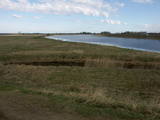 |
One of the most important locations for migrating water birds in terms of rest and feeding in Latvia is the Svēte flood-land, which overflows in the spring time, along with the Svēte polder. It has been calculated that when circumstances are good, tens of thousands of birds can be seen in the area – swans, geese, corn-crakes, pintails, predatory birds, plover-type birds, etc. |
|
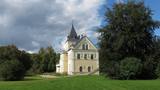 |
The museum is in the mansion of the Dole Estate, which was built in 1898 for the Loeuwis von Menar dynasty. The collection presents Daugava as an important water route, with the apparel of Baltic and Liv tribes, everyday objects, etc. Outside the movement is equipment to catch lampreys and a reconstructed weir to catch salmon. Alongside is a 17th century cannon from the Duchy of Courland that was found in the Misa River and was cast in Baldone. Nearby are four cannons from the Russian tsar’s army. Those were found on a building lot in Salaspils in 2007. |
|
 |
The café is on the edge of the Jēkabpils-Rēzekne road (A12) in a lovely location by a pond where guests can fish for perch, pike, tench and carp. Eastern cuisine and fish dishes are offered. |
|
 |
Pusceļā starp Madonu un Cesvaini, Sarkaņu pagasta Biksēres “Jaundilmaņos” dzimis Latvijas Bērnu ķirurģijas pamatlicējs, traumatalogs un ortopēds, izcils bērnu ārsts Aleksandrs Bieziņš (1897.-1975.). Tagad viņa dzimtajās mājās ierīkots muzejs, Paula Stradiņa Medicīnas vēstures muzeja filiāle. |
|
 |
Atrodas sporta un atpūtas kompleksā „Trīssaliņas”. No torņa paveras pievilcīga apkaimes ainava, kas īpaši skaista ir pieneņu ziedēšanas laikā. |
|
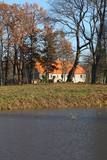 |
The residential building was erected in the early 18th and renovated in the middle of the 19th century. Restoration of the manse and its ancillary buildings is continuing even today. Since September 2009, the Latvian Evangelical Lutheran Church has housed its Recollection Centre at the manse. The ruins of an old stable can be seen. |
|
 |
The Krimulda Castle was built in the latter half of the 13th century. It was located where the right bank of the ancient Gauja River valley is split by the deep Vikmeste ravine. The castle was owned by the council of archbishops from Rīga, and it was an impressive structure with a large interior courtyard and a defensive wall that was 1.5 m thick. The Swedish military blew up the castle when retreating in 1601. Today the castle hill is forested, and only a small fragment of the castle wall can still be seen. It is near the ruins that you will find the Sigulda aerial tram and the Krimulda serpentine road – the only object of its kind in the Baltic States. |
|
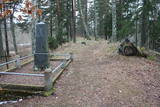 |
The Middle Ages and the beginning of the last century cemetery at the church of Mazirbe. It is surrounded by a moss-covered stone fence. There you can find a number of interesting sights-Werewolf's Tomb, Old Taizelis Tomb, Grand Pine, etc.. |
|
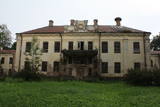 |
Šī vairāk ir uzskatāma par vēsturisku vietu, nekā tūrisma objektu, jo muižas pils atrodas avārijas stāvoklī un apskatāma no ārpuses! Mūsdienās redzamais muižas komplekss ir veidojies 19. - 20. gs. mijā, bet muižas pils (vēlīnais klasicisms) - 19. gs. pirmajā pusē. Vēlāk tai piebūvēja neobarokālus torņus abos ēkas galos. Vienā no tiem atradās kapela, otrā – bibliotēka. 19. gs. tika uzsākta ainavu parka un dendrārija izveide. 19. gs. beigās pilī norisinājās plaši remontdarbi, un tās īpašnieki – Kerbedzu dzimta ēku līdz pat 1. pasaules karam atvēlēja māksliniekiem. No 1920. - 1975. g. muižā darbojās pamatskola, tad ēkas kā noliktavu izmantoja kolhozs. |
|
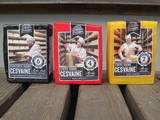 |
There are ancient cheese-making traditions in Cesvaine, where the Cesvaines Dairy was established on the basis of the historical Cesvaine Estate dairy operation. The company produces butter, cottage cheese, cheese, home cheese and soured cream. The “Pie Arkas” store that is alongside the dairy sells those products. |
|
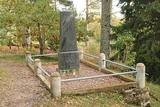 |
The Old Taizelis monument. This monument is dedicated to the fisherman
Niks Freimanis (1845-1908), who served as the prototype for the character Old
Taizelis in stories and a play written by Marģers Zariņš.
|
|
 |
A small food producer in Vidzeme, which is engaged in the processing of vegetables, fruits and berries, producing healthy snacks without sugar and flour. Offers tasting tours, master classes on vegetable truffles and healthy cakes, actively involving guests. Soon there will be a lunch offer - a special kale cabbage soup. |
|
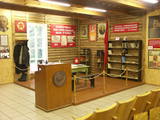 |
Das einzige Museum solches Maßstabs unter freiem Himmel im Baltikum. Gegründet in 1999. Die Ausstellungsobjekte einbezogen die monumentalen Denkmäler spiegeln die sowjetische Ideologie wieder. Ein Minizoo. |
|
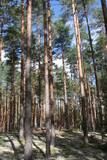 |
This is a stretched-out territory from Valmiera to the Ape Administrative District, and its primary “axis” is the unregulated Gauja River valley with a dense web of old rivers, park-like meadows of oak trees on their banks, and stands of oaks and other broadleaf trees. Many rare and protected birds, including corn-crakes, woodpeckers, wood grouses and others live and breed here. This is also one of the most important places in Latvia in terms of where the deciduous tree hermit beetle lives.
|
|
 7 days
|
The tour will guide you through the Latvia using its main tastes. Out of Riga you visit a farm which specialises in grain growing and bakes great cracknels and makes regional dishes using whole-meal grains. Afterwards there is a visit to Bauska Castle locates between two rivers and Bauska Brewery which takes pride in their produce free of preservatives. Then there is a visit to ethnographic museum at Ausekli Mill where you could try to make your own traditional piragi (bacon pasties). Further on the route cross the river Daugava and there is a stop at home -made ice-cream cafe to try savoury ice- cream salads. A ride on Viking ship around the legendary Koknese castle ruins and a visit to Cesvaine Castle is next. Then you have a visit to the goats farm and cheese tasting which is followed by cows cheese tasting at nearby production. Overnight is at Vecgulbene Manor with spa facilities. Next day you have a chance to make your own traditional black bread accompanied with humorous stories and instructions by the baker-lady. While the bread is baking there is another cheese tasting and visit to producer at Trikata. Then visit to Valmiermuiža Brewery which produces upmarket beer and promotes Latvian beer drinking tradition as a component in every celebration. Charming provincial town of Cesis with mighty medieval castle ruins, narrow ancient streets and home of famous Cesis brewery next. Historic brewery building there is nowadays only a tourism object but production is moved into big, modern building. It is the second largest beer producer in Latvia nowadays. Visit to the Cesis Brewery followed by excursion at Araisi windmill and having a traditional mill's porridge there. Then excursion at the Turaida Castle before returning to Riga. |
|
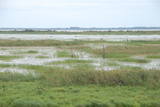 |
The Lake Lubāns, wetland of Lubāns. Lubāns (80.7 km2) is the largest lake in Latvia and the most popular
lake and wetland in Europe. The lake and the wetland has biodiversity; a unique place not only in Latvia,
but also internationally. Nature Reserve is included in the European Union network of protected areas and
NATURA 2000 under the Ramsar Convention criteria as the wetland of international importance. Lubāns wetland,
called marshy meadows, includes bogs, wet meadows and wet forests. In autumn and spring the lake
attracts thousands of migratory waterfowl which is easily to wach from the bird observation towers or the terrace
of water tourism development center.
|
|
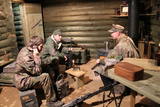 |
Pie Vidzemes šosejas pirms Melturu tilta pāri Amatai ir privātais muzejs "Mežabrāļu bunkurs". Bunkurs izveidots, lai varētu vēstīt par Nacionālo partizānu mežabrāļu cīņu laikā no 1944.-1956. gadam, kad mežos pret okupācijas varu cīnījās ap 20 000 Latvijas patriotu. Nacionālo partizānu bunkurs izveidots balstoties uz savāktajām mežabrāļu atmiņām, dienasgrāmatu pierakstiem un fotogrāfijām. Uz bunkuru ved meža taka ar informāciju par dažādiem mežabrāļu piedzīvojumiem un cīņām. Bunkura pazemes daļā apskatāmi vēsturiskie priekšmeti, kas viņus pavadīja dzīvē un cīņā. Saimnieks piedāvā pastaigu pa meža taku, kur izvietota informācija par mežabrāļiem un slēpņu spēle bērniem. Ar iepriekšēju pieteikšanos iespējams iekļūt bunkurā un apskatīt iekārtotu bunkuru ar mežabrāļu izmantoto ieroču, munīcijas un citu priekšmetu ekspozīciju. Stāstījumu papildina savāktās mežabrāļu interviju videoieraksti. Apmeklētājiem iespējams pasūtīt mednieku desiņu cepšanu lapenē pie bunkura. |
|
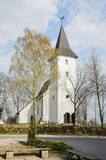 |
The Priekule Lutheran Church was built around 1680 and rebuilt a century later, in 1892. In 2005, the church tower was improved, and visitors to the church can now use it as a viewing platform. They can see the place where Icarus of Priekule supposedly made his first “flight.” |
|
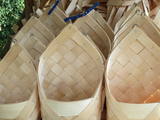 |
The workshop manufactures household products such as benches, tables, hangers, kitchen equipment, sauna barrels, other barrels, outstanding souvenirs of wood, etc. You can commission or buy the products, and tours are also available. |
|
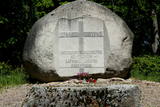 |
Along the A9 road and 500 metres from the turn in the direction of Rīga in Lestene is a memorial by Ojārs Feldbergs which was set up in 1991 in the former Rumbas homestead to commemorate defenders of the Kurzeme fortress. Despite the fact that the Soviet forces were ten times larger, the Latvian troops allowed some 300,000 Latvian war refugees to escape the horrors of the Soviet Union. |
|


