
| Nr | Name | Beschreibung |
|---|---|---|
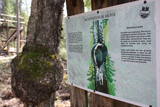 |
1,7 km gara lokveida taka, kas iepazīstina ar dažādiem meža biotopiem, to iemītniekiem un meža apsaimniekošanas pamatprincipiem. Apmeklētāju ērtības nolūkā ir izveidotas koka laipas un neliels skatu tornis. |
|
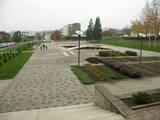 |
Die Stadt Madona ist möglicherweise die einzige Stadt in Lettland, auf deren Gebiet sich im 9. Jh. eine Wassersiedlung befand. Die Reste dieser Siedlung haben sich unter Wasser im Norden des Sees Salas ezers / Baznīcezers (Inselsee oder Kirchensee) erhalten. Bis zum Ende des 19. Jhs. befand sich an der Stelle der heutigen Stadt ein kleines Landgut, das denselben Namen Madona hatte und das die Letten Birži genannt haben. Im Jahr 1898 wurde mit dem Bau der Schmalspurbahn zwischen Stukmaņi (Pļaviņas) und Valka begonnen. Mit der Entwicklung der Eisenbahn entwickelte sich auch die Stadt selbst. Heute ist die Stadt Madona eine gepflegte Stadt mit ihrem der Kleinstadt charakteristischen Charme. Es ist interessant, dass diese Stadt als eine der am höchsten ü.d.M. gelegene Stadt in Lettland angesehen werden kann. |
|
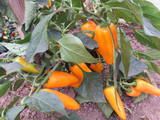 |
This farm produces raspberries (6 ha), herbs, medicinal plants (more than 100 types), vegetables (red peppers, cucumbers, tomatoes, chili peppers, onions, garlic) and bees. The owner produces salads, jams, lecho and chutneys. You can purchase vegetable products, pick your own raspberries and strawberries, taste teas, buy honey, and receive valuable consultations. |
|
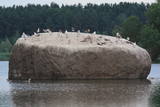 |
Der Stein befindet sich südlich von Jēkabpils, am nordöstlichen Teil der Sand- und Kiesgrube (des Sees von Radži). Es ist interessant, das der Stein bei den Arbeiten in der Grube gefunden wurde. Der Stein von Radži wird als der zweitgrößte Stein in Lettland (das Volumen ~ 100 m3) gewertet. Im Norden der Kiesgrube befindet sich der Waldpark von Jēkabpils, der für die Einheimischen ein bekannter Ort für Erholung, Spaziergänge und Sport ist. Der Strand des Sees von Radži hat im Jahr 2012 die Blaue Fahne erhalten. |
|
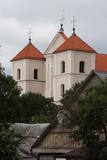 |
Baznīca atrodas Sodu ielā (Sodų gatve) 8. Tās pirmsākumi meklējami 1409. g. (viena no vecākajām Lietuvas baznīcām), kad Lietuvas dižkunigaitis Vītauts Dižais izveidoja Traķu apgabala baznīcu. Dievnams joprojām ir pazīstams ar 1123. g. Konstantinopolē gleznotās Traķu Dievmātes gleznu, kuru it kā Vītautam 1390. g. uzdāvinājis Bizantijas ķeizars Emanuels Paleologs II. Šis fakts gan ir jāuzskata par leģendu, ko aprakstījis vēsturnieks Albertas Vijūkas – Kojalavičius, jo 1645 g. gleznas restaurācijas laikā noskaidrojās, ka tā ir tapusi 15 gs. beigās vai 16. gs. sākumā. Traķu Dievmātes glezna ir pirmā Lietuvas pāvesta vainagotā glezna (vainagošanas ceremonija notika 1718 g.), pēc kuras brīnumus piedzīvojuši daudzi ticīgie - gan katoļi, gan pareizticīgie, gan pagāni, gan tatāri. Latvijā - Aglonas bazilikā atrodas šīs gleznas kopija, ko uzskata par svētu! Vislabākais skats uz baznīcu, Traķu ezerpili un Traķiem paveras no klaja paugura Galves (Galvė) ezera ziemeļu krastā. |
|
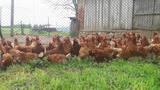 |
Zemnieku saimniecības "Imantas" galvenais darbības virziens ir olu ražošana. Te iespējams apskatīt lauku saimniecībā dzīvojošos dzīvniekus un dažādu šķirņu vistas, uzzinot kaut ko jaunu vai sen piemirstu par vistām un olām. Piedāvā arī iegādāties lauku olas. |
|
 |
Auf den ordentlichen und schmucken Feldern des Hofes „Ezerlīči“ blühen Lilien, Pfingstrosen und Taglilien. Ein schöner Steingarten wurde bereits angelegt und ein dendrologischer Park ist im Entstehen begriffen. Über 100 Bienenvölker sammeln Nektar. Die Hausherrin bietet Führungen an und diverse Pflanzen und Imkereiprodukte stehen zum Verkauf. |
|
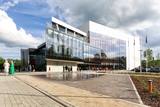 |
GORS, The Embassy of Latgale is located in the heart of Latgale region – Rezekne city. It is a place where the story of Latgale is both created and told. Cultural heritage and ancient values, traditions and creation, the language and events, the most significant global trends, art, culture, dance and songs converge here. A centre of culture, concert halls, film theatre, a place of residence for artists, an exhibition space for art, a restaurant for the enjoyment of life, a place for experiments with all the senses. |
|
 5 Tagen
|
Ancient trading routes provided not just goods, but also knowledge and culture. The Light’s rout relates to the Reverent Ernst Gluck, who was a writer, the first translator of the Bible into Latvian, and a founder of Latvian children's schools, the Hernhutian movement of brothers, Kārlis Skalbe, the Kaudzīte brothers, Jānis Poruks, Antons Austriņš and their spiritual heritage. People in Vidzeme bake rye, wheat, barley, spelt and grit bread with various seeds, caraway seeds, nuts, dried fruit and hemp seeds. Hemp is used to produce traditional butter, oil and dumplings made with grey peas. It is also added to candies and even chocolate. Barley flour in the past was used only for celebrations, but today people will teach you how to use it to bake water pretzels with salt and caraway seeds. Visit farms and restored windmills to track the route of grain. Taste traditional Summer Solstice cheese, as well as Green cheese and tasty goat cheese. Pipe perch from Lake Burtnieks is a local delicacy, and you will also find trout, catfish and sturgeon, as well as crabs in season. Local meat and fowl dishes are popular, including dishes made with rabbit. Kitchens at aristocratic estates will offer wild game and pheasants with forest goodies and wild herbs. In Vidzeme you can meet the Garlic Queen, who prepares plant powders. Enjoy pies, sheet cakes, honey cakes, desserts of whipped cottage cheese, mountain ash, quince, apples, sweet cream and rye bread, as well as blackberry or apple dumplings. Slake your taste with herbal teas with honey, birch juice, berry lemonades or, if you're looking for something stronger, some tasty beer or wine. |
|
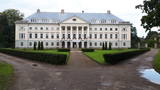 |
Die Anlage des Parks begann zu Beginn des 19. Jahrhunderts als Landschaftspark mit vielen Spazierwegen, Bänken und Brücken. Gegenwärtig ist der Park Kazdanga der Fläche nach (196 ha) einer der größten und zudem einer der aus dendrologischer Sicht reichhaltigsten Parks in Lettland. Hier wachsen über 200 Arten Gehölze, davon 127 fremdländische. Der Park zieht sich durch das gesamte Dorf Kazdanga, einschließlich des Gutshofs, bis hin zu der Stelle wo sich nördlich davon die Krypta der Familie von Manteuffel befindet. Der Bau dieser Krypta wurde mit Beginn des 1. Weltkriegs abgebrochen. Im Park gibt es mehrere Rastplätze und viele dekorative Elemente. Das Schloss Kazdanga wurde um 1800 erbaut. Der Entwurf stammte von dem in Europa bekannten Architekten Johann Georg Berlitz, wobei er auf ein Projekt von Giacomo Quarenghi zurückgriff. Das Schlossensemble besteht außerdem aus dem Ritterhaus, dem Gesindehaus, dem Wohnhaus, Marstall, der dreibögigen Brücke, die über eine Schlucht führt, und weiteren Gebäuden. 1922 wurde hier eine Landwirtschaftsschule eröffnet. Heute gibt es hier das Schlossmuseum und unweit davon das Touristeninformationszentrum. |
|
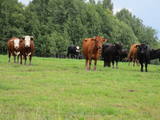 |
The farm breeds breeding cows (Galloway, Hereford, Limousine, Charolais and Latvian brown species). You can take an informational tour and watch the feeding of calves. |
|
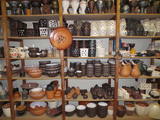 |
Vecajā ķieģeļu ceplī sagatavo mālu, kuru izmanto daudzi Latvijas keramiķi. Turpat ražotnē taisa (roku darbs) saimniecībā noderīgas lietas un dizaina priekšmetus. Vada ekskursijas, atraktīvi stāsta, organizē radošās darbnīcas un pieņem individuālos pasūtījumus. |
|
 |
Mājas restorāns Kihnu salā, kura saimnieki gatavo bagātīgas maltītes, izmantojot salas vietējās izejvielas, galvenokārt zivis. |
|
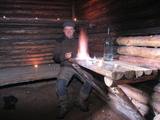 |
Mežabrāļu lauku māja atrodas pie Igaunijas un Latvijas robežas. Staigājot pa mežabrāļu takām var apmeklēt viņu raktos bunkurus, klausīties patiesus stāstus par pēckara notikumiem, nogaršot kandžu “meža šalkas” un kopā ar saimnieku uzdziedāt mežabrāļu dziesmas. Piedzīvojumu mīļotājiem piedāvājam arī naktsmītnes mežabrāļu bunkurā. Ziemā Mežabrāļu saimes ļaudis aicina braukt ar ragaviņām no Punkrimeģa un pavizināties kamanās. |
|
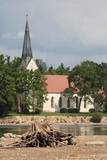 |
Atrodas Pļaviņu HES ūdenskrātuves krastā (R. Blaumaņa ielas galā) iepretim salai, uz kuras top Likteņdārzs. Baznīca (celta 1687. g.) ir vairākkārt atjaunota (1731., 1887.). Tagad redzamais tornis tapis par Stukmaņu muižas īpašnieku atvēlētajiem līdzekļiem. Baznīcā par mācītāju kalpojis Ernests Gliks. Padomju laikos ēkā atradies Stučkas vēstures un mākslas muzejs. Apmeklētāji var uzkāpt dievnama tornī (čuguna zvans!), kā arī aplūkot mākslinieka A. Dobenberga gleznas. Baznīca ir atvērta un apskatāma arī no iekšpuses. |
|
 |
No Kronvaldu Ata (1837. – 1875.) – izcilā latviešu publicista, pedagoga un valodnieka dzimtajām mājām – „Lejas Miķiem” Priekules novada Krotē nekas līdz mūsdienām vairs nav saglabājies. Māju vietā uzstādīta piemiņas plāksne ar uzrakstu: „Katram tā vieta svēta, kur piedzimis, audzis” (A. Kronvalds). |
|
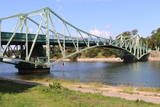 |
Tiltu uzcēla 1906. gadā. 1. pasaules kara laikā tā ziemeļu laidums tika saspridzināts un atjaunots pēc kara. Laikā, kad Karostā atradās Padomju armija, to šķērsot drīkstēja tikai ar speciālām atļaujām. Pa kanālu kursēja karakuģi u.c. peldlīdzekļi, jo te bija izvietota viena no lielākajām PSRS militārajām bāzēm. 2006. g. vasarā (mēnesi pirms tā simtgades!) tilta ziemeļu balstā ieskrēja ar Gruzijas karogu peldošais tankeris „Anna”, kas izgriežamo daļu sadragāja līdz nepazīšanai. Tiltu atjaunoja un atklāja 2009. g. Tilts brīvi apskatāms un šķērsojams jebkurā laikā. Unikāls inženiertehnisks piemineklis, - Baltijā vienīgais šāda veida izgriežamais (katras no divām daļām izgriešana līdztekus krastam notiek ~ 5 min laikā) tilts.
|
|
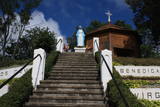 |
Atrodas 50 m rietumos no Ludzas katoļu baznīcas. Kapela celta 1738. g. astoņskaldņu rotondas formā un kalpoja kā grāfu Karņicku atdusas vieta (velvēti pagrabi zem kapelas). Nelielai ēkai ir dēļu apšuvums, koka griesti un ķieģeļu grīda. Pie kapelas novietota Ludzas mākslinieka Leona Tomašicka 1934. g. darinātā Svētās Marijas - Māras zemes karalienes statuja. |
|
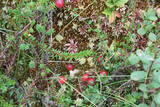 |
Teritorija veidota augstā purva un tajā mītošo sugu aizsardzībai. Tas nav piemērots apmeklējumiem. Rietumos no purva stiepjas Nevejas – Lapmežciema ceļš, no kura bezlapu periodā nedaudz redzama purva ziemeļrietumu daļa. Tālāk – Cirstes virzienā aplūkojams viens no Latvijas iespaidīgākajiem dižozoliem – Rīgzemju ozols.
|
|
 |
Pludmales bārs "Koklītes" atrodas Saulkrastu novada Zvejniekciemā pašā jūras krastā, 4 km attālumā no Saulkrastu centra. Plašs skats uz pludmali. Tiek rīkoti dažādi ūdenssporta un izklaides pasākumi. Latviešu virtuve: Aukstā zupa, cepta mencas fileja, kotletes mājas gaumē, cūkgaļas cepetis, pankūkas ar biezpienu, karamelizētas auzu pārslas. |
|


