
| Nr | Name | Beschreibung |
|---|---|---|
 |
Der Bauernhof befindet sich an einem schönen Ort, hier kann ein leckeres Essen bekommen, und die Wirte sind nett. Den Besuchern werden auch Unterkunft und Sauna angeboten. Der Bauernhof befasst sich mit dem Anbau von landwirtschaftlichen Produkten und ihrer Weiterverarbeitung. |
|
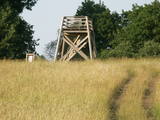 |
Der ökologische Gletschermuldenpfad und der Waldpfad im Naturpark von Embūte (nur in Begleitung eines Führers) erläutern die gletschergeformten Hügel und Schluchten von Embūte (die Schluchten mit den Böschungswäldern sind geschützte Biotope). Burgberg, Herrenhäuser, Schloss und Kirchenruine von Embūte, der Sterbeort des Oberhauptes der Kuren - Indulis, Teufelsberg, Wiesen und Aussichtsturm. Der Pfad befindet sich im Naturpark Embūte.
|
|
 |
Teirumnīku purvs ir latvijas lielākā iekšzemes mitrāja - dabas lieguma "Lubāna mitrājs" sastāvdaļa, kas meklējams dienvidaustrumos no Lubāna ezera. |
|
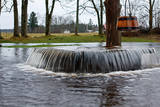 |
Der Ort Tuhala ist schon seit 3000 besiedelt. Im Gebiet befinden sich 11 prähistorische Siedlungsreste, 30 Opfersteine, 3 Hügelgräbe, 4 Heiden u.a. Im Landschaftsschutzgebiet Tuhala befindet sich der unikale Hexenbrunnen, aus dem beim Hochwasser bis 100 l Wasser herauskocht, und fünf Estlands mächtigste Energiesäulen. |
|
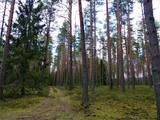 |
Ķekavas novada Daugmales pagastā atrodas pastaigām un dabas baudīšanai piemērots mežs, kurā baudīt dabas daudzveidību. |
|
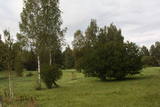 |
Work on the arboretum, which covers 15 hectares of land, began in 1968, and it was meant to be a landscape park. The first plants were planted in 1972. During the fierce winter of 1976, sadly, many of the plants froze. In 1987, the park was redesigned. At that time it had 234 types of deciduous trees, coniferous trees and bushes. There are signs showing the Latin and Latvian names of the various plants
|
|
|
|
Die einzige Insel im Cicere – See hat einen mehr oder weniger unberührten Wald mit Eichen, Linden und Ulmen. Einige der Eichen sind riesig. Das ist ein wichtiger Biotop für spechtartige Vögel. Die Insel ist nicht verändert worden.
|
|
 |
Bei der Führung wird über den Anbau von Lavendel erzählt, die Erzeugnisse des Hofes vorgestellt und Tee angeboten. Die Besucher haben die Möglichkeit durch die Lavendelfelder zu laufen und dort Fotos zu machen und sich in der behaglichen und duften Umgebung im Stil der Provence zu erholen. |
|
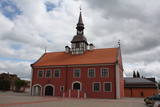 |
Bereits 1615 teilte der kurländische Herzog Friedrich Kettler der Stadt Bauska das Privileg für den Bau eines neuen Rathauses zu, was dann im 17.Jh. auch verwirklicht wurde. Der Marktplatz konnte nun stolz das größte Rathaus im ganzen Herzogtum vorweisen. Aus Geldmangel wurde 1852 dessen Turm abgebaut, 1871 das obere Stockwerk. 2011 wurde der Bau des neuen Rathauses endlich abgeschlossen, und Bauska kann nun wieder stolz auf ein neues, hervorragendes Touristik-Objekt sein, das auch von innen besichtigt werden kann. Im erneuerten Rathaus kann man sich in alten Maßeinheiten messen und wiegen lassen, in Ellen und Fuß, in Pud (ein altes russisches Gewichtsmaß, A.d.Ü.) und in Pfund, und dafür eine entsprechende Urkunde erhalten. |
|
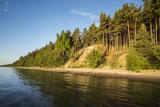 |
Die Steilküste von Ēvaži – bis zu der 8-15 Meter hohen Steilküste führt der 0,3
km lange Pfad, an dessen Ende man einen der schönsten kurländischen Anblicke
auf die Bucht von Riga hat.
|
|
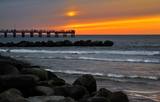 |
Palanga is known to be the biggest by-the-sea resort in Lithuania because of its seacoast's main attractions - dunes and white sand. And because Palanga is a resort there are plenty of cafes, restaurants, bars and more for those who would like to enjoy a meal or a drink, for those who like active sport - there is possibility to cycle, go horseback riding, swim and much more. |
|
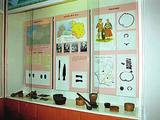 |
Viļāni Museum of Local History. Permanent exposition of the
town history from the ancient times to nowadays. Tours in Viļāni.
Working hours: Mon– Fri : 8.00 – 12.00,13.00 – 17.00, Sat., Sunday : closed |
|
|
|
Ļoļi Devil’s Footprint is situated in Mākoņkalns rural territory in a small forest lawn several meters from the
ditch, which is a borderline of the Rēzekne and Krāslava districts. It is about 1,9 m high truncated cone, the base
perimeter 1,8 m. According to the legend, the boulder had a curvy of the horseshoe prints. Now it’s shapeless. For the
first time the stone as a geological monument was established in the 1930s. It was in Andrupene rural territory.
|
|
 |
In Kännu Alpaca Farm you can see Peruvian alpacas, mammals with beautiful, soft coat which they are known for. While in this farm you can feed alpacas with food provided by the owners and pet them. You can also see goats, sheeps, rabbits and chickens. In the farm shop you can buy souvenirs and also products that are made of alpaca wool. Kännu Alpaca Farm is also suitable for family visits. |
|
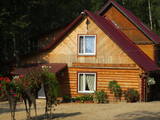 |
Hier wird Viehzucht, Obstbau und Gemüsebau betrieben, sowie Milch und Fleisch erzeugt und verarbeitet. Die Wirte teilen ihr Wissen, wie man Käse (auf offenem Feuer) kocht und macht. Hier werden Brot nach Rezepten der Vorfahren gebacken und Hochzeitsfeiern nach den lettgallischen Traditionen angeboten. Lettische Küche: Roggenbrot, 14 verschiedene Käsesorten, Bauernsuppe, hausgemachtes Bier und eine Vorführung des Bierbrauens. Das besondere Gericht: Gefüllte Kartoffelpfannkuchen Gulbešnīki mit Pilzsoße. |
|
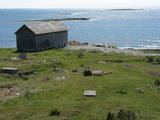 |
No Vilsandi bākas un tai tuvākās apkaimes ir labi saskatāmas leģendārās Vaikas salas. Tām ir piešķirts rezervāta statuss, tādēļ salas var apskatīt tikai no attāluma. Mazākā no saliņām - Kullipank ir tikai pārdesmit metrus diametrā. Tā ir jūras ūdeņu izrobots zemas un asas dolomīta klints fragments, kas klāts ar oļiem, nelieliem laukakmeņiem un kādu atsevišķi stāvošu lakstaugu. Domājams, ka vētru laikā tā pazūd zem jūras ūdens. Savukārt, Alumine Vaigas – Apakšējā Vaikas sala ir lielākā no sešām salām. Šīs salas diametrs ir ~ 150 m un tā paceļas vismaz kādus divus metrus virs jūras līmeņa. Uz salas ir bagātīga veģetācija un pat kāds zems krūms salas centrā. Redzami arī metru augsti atsegumi. Uz salas vēl joprojām atrodas 20. gs. sākumā celto „putnu māju” paliekas, kas bija domātas ligzdojošo putnu piesaistīšanai. |
|
 |
Находится за Гробиньским водохранилищем на берегу реки Аланде (ул. Пиладжу, д. 3). Туристический клуб «Ога» с 1 мая 2013 года планирует здесь организацию разных связанных с жизнью викингов мероприятий, во время которых можно будет войти в образ викинга, отправиться в поход на корабле викингов (в соответствующей одежде) по реке Аланде, а также познакомиться с окрестностями, которые связаны с тематикой викингов. Рядом с поселением установлена деревянная фигура викинга с рогами (от коров, пасущихся на Витиньских лугах на берегу Лиепайского озера). |
|
 |
Der einzige Schlosstorturm in Lettland, wo die Tore mit den Fragmenten des sich hebenden Gitters geblieben sind. Einen Aussischtsplatz ist eingerichtet. Die Ruinen der Burg. |
|
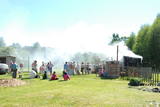 |
Besucher können beim Räuchern von Fischen (Butte, auch Hornhechte und Brachsen) teilnehmen, die fertigen Produkte probieren und Erzählungen über die Fischereitraditionen im Ufergebiet lauschen. In diesem Gehöft kann man etwa 20 verschiedene Zaunarten sehen, die für livische Höfe typisch waren. |
|
|
|
Das Gebiet wurde eingerichtet, um diesen Teil des Ogre – Flusstales zu schützen, das ein Flussbett aus der Eiszeit hat und Wiesen mit entsprechenden Biotopen und Populationen. Unter anderem die Bergulme und die Flatter - Ulme, die nicht oft in Lettland zu finden ist.
|
|


