
| Nr | Nosaukums | Apraksts |
|---|---|---|
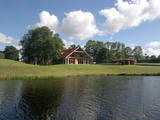 |
Viesu namā var apskatīt viesu nama lepnumu – pagrabu –, kurā atrodas liela saimniecībā gatavoto vīnu kolekcija. Saimniecībā var iegādāties ābolu, vīnogu, ķiršu, upeņu, dzērveņu, ērkšķogu un rabarberu vīnu. |
|
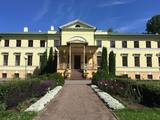 |
Vieta, kur stāsta stāstus par NAUKŠĒNU DISKO zemē dzimušajiem, ienākušajiem un palikušajiem. Te iespējams atklāt sevī igauni, sevi iekļaut muzeja pamatkrājumā un uzzināt savu augumu NAUKŠĒNU PIRKSTOS, bet svaru - NAUKŠĒNU KILOGRAMOS. Vieta domājošiem cilvēkiem, kuri nebaidās pasmieties par sevi un nav aizspriedumu pilni. Muzeja, muižas un parka apmeklējums notiek gida pavadībā. Ekskursijas ilgums - apmēram 1 stunda 30 minūtes. Muižās kungu namā (Lauvu namā) ir apskatāma lielā balles zāle, upes puses terase un muižas vēstures ekspozīcija. Pārējā kungu nama daļa un citas ēkas apmeklētājiem nav pieejamas, jo muižas kompleksā izvietota Sociālās korekcijas iestāde «Naukšēni». Parkā apskatāma centrālā daļa ap strūklaku, mušeli (parka estrādi) un Siera tornis. Piedāvā eļļu degustāciju, kā arī iegādāties. |
|
 |
Taisa darbus (praktiskas un saimniecībā noderīgas lietas) latviešu etnogrāfiskā stilā un turpina vecās latviešu kalējmākslas tradīcijas. Apmeklētāji var izkalt naglu vai pakaviņu. |
|
 |
Jauna kafejnīca, kas atrodas dabas parka „Daugavas loki” teritorijā - Naujenē. |
|
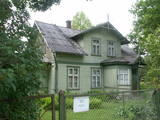 |
Miervalža Ķemera muzejs – pazīstamajam
Latvijas kultūras darbiniekam (1902. – 1980.)
– mācītājam un gleznotājam veltīts
memoriālais muzejs Durbes ielā 21.
|
|
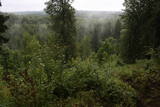 |
Krievkalnu augstākajā punktā (149 m v.j.l.) ir izveidota labiekārtota atpūtas vieta, no kuras paveras iespaidīgs skats austrumu virzienā.
|
|
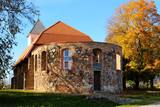 |
Dievnama mūri kā svētvieta glabā ne tikai svētuma starojumu, mierinājumu, bet arī smagus, rūgtus un iznīcinošus notikumus. Vairākkārt pārbūvēta, sagrauta, dedzināta, un tomēr atjaunota. |
|
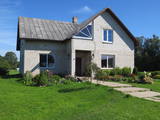 |
Saimnieces radošums izpaužas dažādu lauku labumu gatavošanas jomā – sieru siešanā, siera standziņu cepšanā u.c. Bioloģiski sertificēta saimniecība, kurā izmanto pašu ražotos produktus. Piedāvā degustācijas un produkcijas iegādi, kā arī ekskursijas grupām no 10 cilvēkiem. |
|
 |
Kafejnīca "Ozoliņa konditoreja" atrodas netālu no dzelzceļa stacijas. Pagrabstāvā izvietots kulinārijas cehs, pirmajā – veikals un kafejnīca. Cep vienstāvu – daudzstāvu tortes, kūkas (krēmšnites, ābolkūkas, Vecrīgas, medus kūkas, eklērus, ruletes), maizītes (kanēļa, magoņmaizītes, biezpienmaizītes), pīrādziņus (siera radziņi un rausīši, speķa rausīši, Rīgas rauši) un kliņģerus, taisa gaļas plates un sāļās uzkodas. |
|
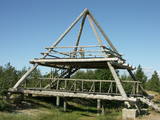 |
This is the only viewing platform of its kind. It is north of Pāvilosta, between the sea and Latvia’s largest gray dune. The second level of the platform offers a good view of the habitats which surround the dune, as well as the seashore and the largest seashore rock on the shores of the Baltic Sea – the Pāvilosta sea rock. You can also see the northern part of Pāvilosta. When it is windy outside, you’ll see kiteboard riders showing their tricks.
|
|
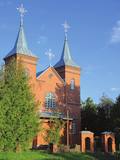 |
Holy Trinity Roman Catholic Church of Stoļerova. The construction
works of the church were finished in 1999 by the support of dean Butāns. The building is slightly larger than
the previous one; the newest (restored) church in Rēzekne district. The church has a specific icon of Our
Lady that was transferred from the chapel of Rozenmuiža.
|
|
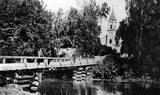 |
Pēterupes labajā krastā atrodas Saulkrastu vēsturiskā teritorija Pēterupes ciems. Domājams, ka ciems sācis veidoties ap lūgšanu namu (kapelu) tā sauktajos zviedru jeb katoļu laikos. Lūgšanu nams bija nosaukts apustuļa Svētā Pētera vārdā, tādēļ arī upei un ciemam dots tāds nosaukums. Pēterupes ciemu varam uzskatīt par vecāko ciemu Saulkrastu novadā. Pēterupē vecākie laikmeta liecinieki ir Mācītājmuiža, Pēterupes ev.luteriskā baznīca, doktorāts un vecais koka apbūves centrs. (Avots: Saulkrastu TIC) |
|
 |
Biškopības produktu ražošana - medus, ziedputekšņi, bišu maize, propoliss, bišu māšu peru pieniņš. Bišu māšu selekcija, bišu saimes. |
|
 |
Atrodas Rīgas – Ventspils autoceļa (A 10) 92. kilometrā. Piedāvā ēdināšanas pakalpojumus, klāj galdus un organizē citus pasākumus. |
|
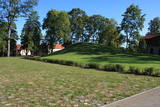 |
Vēl viena vieta Kuldīgā, kas pēdējo gadu laikā piedzīvojusi lielas pārvērtības, jo īstenots bijušās pils parka rekonstrukcijas un labiekārtošanas projekts: izveidotas koka laipas, tiltiņi, informācijas stendi, uzcelta lapene un strūklaka. Parkā izvietotas skulptūras un to grupas (22 skulptūras, autore Līvija Razevska), kā arī redzams izteikts uzkalniņš – pils pagraba velve, kurā pēc iepriekšējas pieteikšanās var degustēt vietējā ražojuma vīnus. Šajā vietā 1242. g. vācu ordenis uzbūvēja mūra pili, no kuras līdz mūsdienām ir saglabājušies tikai atsevišķi mūra fragmenti un minētā velve. Vēlākos laikos šeit atradusies Kurzemes hercoga pils, ko sagrāva Ziemeļu kara laikā (1701. g.). Vasarās pilsētas dārzā demonstrē brīvdabas kino. |
|
 1 diena
|
Dodieties ekskursijā, lai gūtu ieskatu lauku profesijā un dzīvesveidā, kā arī iegūtu jaunus iespaidus un labu atpūtu visai klasei. Ekskursijas laikā apmeklējiet kokapstrādes darbnīcu, kurā ražo visu saimniecībā nepieciešamo – solus, galdus, pakaramos, virtuves piederumus, pirts baļļas, mucas, lieliskus suvenīrus no koka u.c. Pēc tam apmeklējiet zemnieku saimniecību, kura ir viena no lielākajām un modernākajām zemnieku saimniecībām Zemgalē. Izbaudiet pusdienu pikniku Tērvetes dabas parkā. Ekskursijas noslēgumā dodieties uz maizes ceptuvi, lai izzinātu maizes cepšanas arodu, degustētu un iegādātos maiznīcas izstrādājumus. |
|
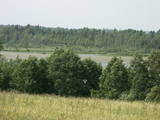 |
Dabas liegumā ietilpst divi aizauguši ezeri ar grūti pieejamiem krastiem - Lielais un Mazais Asūnes ezers, kas atrodas dienvidos no Asūnes ciema. Abus ezerus var vērot, atrodoties ārpus lieguma teritorijas - no blakus esošo pauguru augstākajām daļām, kas atrodas austrumos no abiem ezeriem. Ja līdzi būs paņemts tālskatis, iespējams, izdosies iztālēm novērot šeit esošās aizsargājamās putnu sugas, piemēram, melno zīriņu. |
|
 7 dienas
|
This tour leads to the popular seaside resort towns in Lithuania and Latvia, from Nida on the Curonian Spit to Jūrmala on the Gulf of Riga. The first stage of the route runs through the Curonian Spit to the city of Klaipėda with its symbol – the wooden sailing ship – and its old town resembling German towns in terms of architecture. You will then visit the Lithuanian summer beach capital Palanga with some of its top sights being the Botanical Park, the Amber Museum, the pedestrian street of J. Basanavičius and the Sea Pier. Next, the route will take you to the former fishermen village of Šventoji, now a resort town, near which the Žemaičių alkas (Samogitian Sanctuary) is located – an ancient pagan sanctuary. After crossing the border of Lithuania/Latvia you will reach Liepāja – known as the windiest city in Latvia. Should you be interested in military heritage, you will find that in the former military port of Karosta. The tour continues to reach Ventspils, another seaside city. Here, you can go on a voyage on a small vessel on the river Venta river and out to the sea, walk along the riverside, go for a ride on the narrow-gauge train called “Mazbānītis”, marvel at greenery in the form of clocks made of flowers, spot the iconic cows of Ventspils – multiple sculptures scattered around the city streets. At the end of the tour, you will drive to Jūrmala and walk on the Baltic Coastal Hiking Route through the longest Latvian resort cities boasting with its widest sandy beaches. |
|
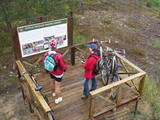 |
Lietuvas lielākais sūnu purvs, kura aizsardzības nolūkā ir izveidots Čepkeļu dabas rezervāts (Čepeklių gmatinis rezervatas). Tas izvietojies starp Dzūkijas nacionālā parka dienvidaustrumu daļu un Baltkrieviju. No Marcinkones pa smilšainu meža ceļu (~ 9 km turp - atpakaļ) ar kājām vai divriteni (arī nelielu tūrisma autobusu līdz 20 vietām) var nokļūt līdz purva malai, kur mežainās kāpās un purvā izveidota 1,5 km gara dabas taka un skatu tornis, no kura labi pārredzama purva rietumdaļa. Pirms došanās uz Čepkeļu purvu, ir jāreģistrējas Dzūkijas nacionālā parka apmeklētāju centrā (Šilagėlių gatve 11), kas meklējams aiz dzelzceļa pārbrauktuves. Te apskatāma neliela nacionālajam parkam un rezervātam veltīta ekspozīcija. |
|
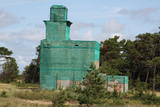 |
Slēgta un apsargāta teritorija Būšnieku ezera krastā Staldzenē. Tai blakus ezera krastā atrodas laivu noma. Pie Staldzenes stāvkrasta, kas ir publiski pieejama teritorija, atrodas bijusī prožektora ēka, kas drošības nolūkā apjozta ar zaļu sietu.
|
|


