
| No | Name | Description |
|---|---|---|
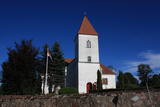 |
Built around 1625. For several centuries it was the main worship place for the Suiti community, supporting the community's spirituality and identity. In 1882 the church was expanded into the form of a cross that is seen today. Inside the church you can see work done by the Dutch wood carver Johann Mertens around 1715. The organ was built by F. Weisenborn in Jēkabpils in 1893, and the altar painting dates back to 1910. The bricked graveyard of the Schwerin dynasty is under the church. Contact it in advance if you wish to see its interior. |
|
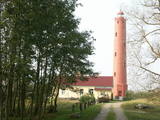 |
This was Coastal Defence Battery No. 500 at one time, and it was dismantled in 1955. There were four 130 mm cannons, and their foundations can still be spotted in the forest northeast from the lighthouse. They are mostly covered by moss and can be very hard to find. Those who are not familiar with the region will probably have the most trouble of all.
|
|
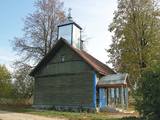 |
Pļuskovas Old-Believer Preaching House was built in the beginning
of the 20th century
|
|
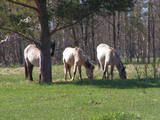 |
Für den Zweck der Bewirtschaftung der Niederungsauen des Pape-Sees und der Vermehrung der biologischen Vielfalt sind hier Konik-Wildpferde angesiedelt wurden. Die kann man mit einem örtlichen Guide kennenlernen. |
|
 |
The craftsman offers useful household products such as terrines, pots to make pickles, dishes of sugar and salt, bowls, etc. You can learn about pottery traditions and watch as the kiln is opened. |
|
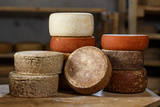 |
This is a biological goat farm and cheese-making plant that offers various cheeses made of goat’s milk and cow milk. The farm has some 100 dairy cows. Owners Ruta and Stefans welcome guests and speak Latvian, German and Russian. The cheese is available on site, at the Kalnciems market in Rīga and elsewhere in Latvia. Production - goat’s and cow’s milk cheeses. Offers excursions in the farm and cheese-making plant, tasting. |
|
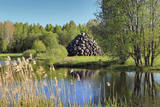 |
This pile of big rocks stands around 9 m high and is some kind of monument to Krišjānis Barons and his achievements on behalf of the Latvian people. His parents lived at the Valpene Estate, and the rocks contain engraved names of lost homesteads from the region. Their direction in the pyramid indicates where the homesteads used to be. The idea for the rocks came from Imants Ziedonis, and the pyramid was built by the sculptor Vilnis Titāns. |
|
 |
The No. 14 Border Guard facility at Akmeņrags was a naval observatory. The facility belongs to the regional local government and is not used for any purpose at this time.
|
|
 |
This farm produces organic grains, and it has a bakery at which tasty rye bread, wheat-rye bread and croutons for bread yoghurt are produced. Bread can be purchased on site.
|
|
 |
No 28 m augstā torņa, kas atrodas uz apdzīvotas „salas” – Siksalas Teiču purva vidū, paveras ļoti plaša augstā purva ainava ar Siksalas ezeru, citām minerālzemes salām un Siksalas mazciemu. Tā kā tornis atrodas Teiču dabas rezervātā, to var apmeklēt tikai Dabas aizsardzības pārvaldes inspektora pavadībā, iepriekš piesakot vizīti T: + 371 28333415. |
|
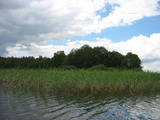 |
Of the many islands in Lake Rušons, ten are restricted natural areas so as to protect the broadleaf forests which are on the islands and the endangered plants found therein. An ancient cult location – the Rušons Sacrificial Rock – is found on Upursala island.
|
|
 |
The first written records of the manor date from 1422, its fate in the 20th C was very chequered with changing hands and functions many times. Today there is a ceramic workshop where you can buy a range of products, model your own pieces, or decorate or glaze blank items to your taste. A woodwork shop shows various woodworking techniques. |
|
 |
The Rudeņi farm is in the southern part of the Zemgale lowlands, to the East of Bērvircava. Established in 1999, the farm specialises in dairy farming with more than 300 cows and an equal number of calves. It is also a grain farm, with more than 400 ha of land for winter and summer crops, rapeseed and corn. Farming waste is used for a modern biogas plant that provides energy for the farm. The owners actively make use of EU projects, one of which allowed it to build a cattle shed for more than 400 animals and a cow milking carousel. |
|
 |
The restaurant is on the eight floor of the steeple of the Church of the Holy Trinity in Jelgava, offering an outstanding view of the town’s most important cultural and historical monuments. The restaurant offers fine dining on the basis of French cuisine, as well as everyday and business meals. Latvian cuisine: Herring filet with cottage cheese, potatoes and onions. Special foods: Marija cake. |
|
 |
Zemnieku saimniecības «Kļavnieki» pirmsākums meklējams 1922. gadā, kad zeme tika iedalīta par dienēšanu armijā. 90-to gadu sākumā saimniecība tikai pārņemta un radīta tāda, kāda tā ir redzama šodien. Pēdējos desmit gadus saimniecība pazīstama ar gardas kazas piena produkcijas radīšanu. Sieri Kā top siers Apmeklētājiem Kur iegādāties sierus |
|
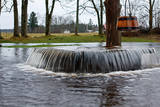 |
Tuhala region has settlements of about 3000 years of age. There are 11 ancient settlement sites, 30 cult stones, 3 burial sites, 4 sacred groves, etc. Tuhala Landscape Reserve has a unique natural feature - the Nõiakaev (Witch´s Well) which “boils” up water during floods at 100 l/s, and 5 mightiest energy columns of the country. |
|
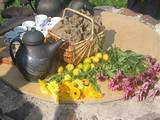 |
The Kurmīši farm grows medicinal plants in an ecologically pure and lovely nature park, "Curves of Daugava," which is part of the protected landscape area "Augšdaugava." Since 1994, the farm has produced approximately 40 types of medicinal plants so as to ensure the preservation of the farm. Enthusiasts and tourists can learn all about medicinal plants and how they are prepared. After the tour, you can taste and purchase Kurmīši herbal teas, which taste the best if you add honey from local beekeeping operations. Candles made of beeswax offer a special atmosphere. The farm has areas for relaxation and a facility where the candles are made. You can purchase a wide range of wax souvenirs and tour the beekeeping facility. The owner also offers guided tours of the arm. |
|
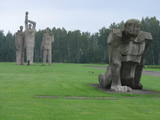 |
A Nazi concentration camp was at this location during World War II, and there is information to suggest that more than 50,000 residents of occupied Europe were murdered here. This is one of the largest ensembles of its type, taking up 25 hectares of land. It was opened in 1967 and has large groups of sculptures, including “Mother,” “Solidarity,” “Unbroken One” and “The Path of Suffering.” The wall of the entrance gates has a thematic exhibitions. |
|
 |
Radošajā galerijā var apskatīt vairākas ekspozīciju zāles ar skulptūrām no moto/auto detaļām, individuāli pārveidotiem motocikliem, kuriem ir savs stāsts un filozofija. Latvijā vienīgais ar šādu mākslu un piedāvājumu saistīts uzņēmums. Apmeklētājiem ir iespēja doties nelielā ekskursijā, galerijas apskatē ar gidu. Pēc apmeklējuma ir iespēja doties uz kafejnīcu, kurā var nobaudīt kafiju un mājās ražotus kulinārijas izstrādājumus, arī noskatīties dažādas video īsfilmas par uzņēmuma darbību. Pieejama unikālo NESTER CUSTOM suvenīru iegāde. |
|
 |
The brewery is located in Upespils, Suntaži parish, Ogre district. IndieJānis Brewery is one person's foolishness, longing for life and cheerfulness, which is why the owner's main goal when brewing is to create a certain taste, regardless of the cost of the product. Beer can be purchased locally in brewery by prior contact, as well as in pubs - TAKA, Brevings, Zobens un Lemess, Vinilbārs, Alus Muiža, Miezis un kompānija, Valmiermuižas alus vēstniecība. |
|


