
| No | Name | Description |
|---|---|---|
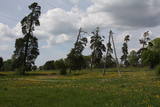 |
Ancient Scandinavian gravesites are found near Grobiņa at the Liepu alley (as are the ancient Priediena graves). The skeleton, fire and hillock graves date back to the 4th to the 10th century. A dig in 1987 led to the discovery of a unique and richly ornamented gravestone from the 8th or 9th century which was produced in honour of a fallen Scandinavian soldiers. It is now housed at the Liepāja Museum of History and Art and is the only discovery of its kind in the south-eastern reaches of the Baltic Sea. |
|
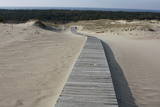 |
This is the only place in the Baltic States where there is such a vast territory of open-air sand dunes which still change the local terrain very actively because of the wind. The only Sea Museum and Dolphinarium in the Baltic States can be found here.
|
|
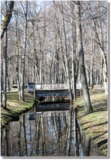 |
Vēršupīte is a small river which curves through the
town of Ķemeri and has more than 10 small and
romantic bridges across it – each with its own name.
|
|
 2 days
|
This part of the Forest Trail passes through the historical centre of Valmiera. In Valmiera you can visit St. Simon’s Church, the Ruins of the Livonian Order Castle and Valmiera Museum. We also suggest walking the barefoot trail in “Sajūtu Parks” (Park of Senses). After sightseeing in Valmiera, the Forest Trail goes through Atpūtas (Recreation) park, the beautiful pine forest and Baiļi winter ski centre. Further on you will walk along the River Abuls Trail, curving along the banks of the river until reaching the Brenguļi brewery built in an old Hydroelectric power plant. You can enjoy unfiltered and unpasteurised beer here. Further down you will enter unpopulated forest areas and the Northern Gauja protected landscape area. The forests in Northern Gauja (“Ziemeļgauja”) are very diverse. There are old or natural boreal (northern) forests and marsh forests, oak forests, alluvial forests (formed on river sediments which periodically flood) and mixed oak, wych elm and ash forests along the river. The tour will end in Strenči Town. |
|
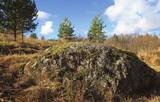 |
Horse's Footstone has a curvy that recalls a horse's footprint.
|
|
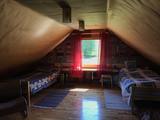 |
Bed & breakfast "Upes", in the centre of Livonian village Pitrags. Natural toilet. Local products. Lunch boxes, transfer service on request. |
|
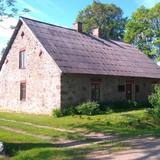 |
Operdziedātāja Jāņa Zābera muzejs "Vecais ceplis" atklāts 1973. gada 11. augustā - dziedātāja dzimšanas dienā - viņa dzimtajās mājās. Muzejā apskatāmas fotogrāfijas no viņa dzīves gājuma, afišas un operu tērpi. Tāpat pieejami dziesmu un operu āriju ieraksti mākslinieka izpildījumā. Muzeju pārzina Jāņa Zābera brāļa meita ar ģimeni. To ir iespējams apmeklēt, iepriekš saskaņojot laikus.
|
|
 |
This is the 11th largest Estonian island, and its central section is covered by a broadleaf forest (linden, oak, elm and other trees) that is more than 100 years old. Along the shores, the Abruka Island has meadows and small areas of wetlands. Only the northern part of the island is populated. Few tourists come to call, which means that the island is relatively untouched by humankind.
|
|
|
|
Rečina Old-Believers Prayer House was built in 1912. It has a rectangular shape with a single-hall,
rubble-wall foundation and a small tower on the top of the altar.
|
|
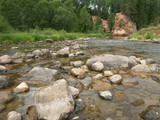 |
The Amata is one of Latvia's swiftest river, and water tourists congregate there each spring to engage in extreme activities. From the Rīga-Veclaicene highway, the Amata flows into a deep valley, with an average drop of more than 3 m/km or, downriver, as much as 8-10 m/km. Water tourists usually use the segment of the river between Melturi and the Zvārte cliff or the Veclauči bridge that spans the Līgatne-Kārļi road. Please remember that the Amata is not a friendly river for beginners. After lengthy rainfall, the river can be navigable during other times of the year, as well. The surrounding valley is attractive because of impressive sandstone and dolomite cliffs, among which the best known are the Vizuļi cliff (which can be the site of beautiful frozen waterfalls in winter), the Ainavu cliff, the Ķaubju cliff, the Dzilna cliff, the Zvārte cliff, and the Lustūzis cliff. Between Melturi and Veclauči, there is the Amata geological trail, which is marked with orange paint on tree trunks. There are three segments to the trail – from Melturi to the Kārļi fish farm, from the fish farm to the Zvārte cliff (both segments can be extreme!), and from the Zvārte cliff to the Veclauči bridge. You can hike the trail at any time except when there is deep snow. The most impressive views will be found when the trees are bare. If you boat down the river, you will not have time to look at or photograph the cliffs, because all of your attention will be focused on the river itself and the obstacles therein. |
|
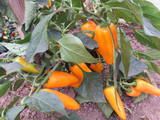 |
This farm produces raspberries (6 ha), herbs, medicinal plants (more than 100 types), vegetables (red peppers, cucumbers, tomatoes, chili peppers, onions, garlic) and bees. The owner produces salads, jams, lecho and chutneys. You can purchase vegetable products, pick your own raspberries and strawberries, taste teas, buy honey, and receive valuable consultations. |
|
 |
Latgale rehabilitation centre „Rāzna”. The rehabilitation centre „Rāzna” is built on a small hillock at
Lake Zosna. Sanatorium „Rāzna” is surrounded by many trees. Originally, the house was built as a summer
house for artists. The centre is an architectural monument of local importance.
|
|
 1 day
|
Tūrisma gide Ineta Jansone piedāvā ekskursijas grupām gar Kaņiera ezeru, iepazīstinot ar putniem, kuri mīt tā tuvumā. Kaņiera ezers ir vieta, kur migrācijas laikā apmetas daudzi tūkstoši ūdensputnu. Ezerā un tā apkārtnē sastopamas vairāk nekā 200 putnu sugu. Putnu vērotāju ērtībām vienā no Kaņiera ezera pussalām uzcelts putnu vērošanas tornis. Netālu no putnu vērošanas torņa izveidota koka laipa uz pontoniem, kura stiepjas cauri niedrāju audzei. Kaņiera ezers izceļas ar lielu daudzums zivju – tajā konstatētas gandrīz 20 zivju sugu. Izsens zvejnieku ciems - Lapmežciems atrodas skaistā vietā uz šauras zemes strēles starp Kaņiera ezeru un Rīgas jūras līci. Lapmežciemā izveidots zvejnieku muzejs, kuru var apmeklēt ekskursijas laikā, kā arī nobaudīt svaigi kūpinātas zivis. |
|
 4 days
|
A tour of professional farms to offer a look at modern and technologically developed farms. During the introductory day, participants will tour Rīga, which is part of the UNESCO List of World Heritage, and the Rīga Central Market, which is one of the largest closed markets of its type in Europe. The next day there will be a meeting with specialists from the Latvian Agriculture Ministry and agricultural NGOs. Next we will tour an ecological facility for farm waste, which is a pan-European initiative in the context of which heat that is manufactured is used to heat greenhouses, thus ensuring an ideal environment for farming (flowers and tomatoes). We will visit innovative farms that collect birch juice for products such as biological birch juice wine (rose, semi-sec), biological birch juice foaming wine, birch juice lemonade, and syrup. The next morning will begin with a visit to a farm that produces high-quality vegetables and potatoes, successfully dealing with the storage and sale of it produce, as well as with logistical aspects of the process. Along the way, we will visit the ruins of the Koknese castle, which is on the banks of Latvia’s legendary Daugava River. We will also visit a farm that grows hemp for various food products. We will spend the night at an aristocratic estate that is now a complex for accommodations and spa treatments. The next morning, we will be off to one of Latvia’s newest beer breweries for a tour and tastings. Around noon, we will visit a farm that manufactures co-generated biomass head during the winter and heats greenhouses. We will return to Rīga in the evening. |
|
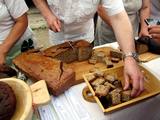 |
"Cēsu maize" is located in the very heart of Cēsis, Riga street 18. Bakery makes bread from organic cultivated grains in Latvia and with natural grass. The offer includes products such as: Spelled whole wheat bread, whole wheat bread with sun-dried tomatoes and olives and spelled sweet bread. |
|
|
|
Auch Königstor (Kuningavärav) genannt. Im Barockstil gebaut ist ein Teil der früheren mittelalterlichen Stadtbefestigung. Der Beginn des alten Postweges. |
|
 1 day
|
Dodieties ekskursijā, lai gūtu ieskatu lauku profesijā un dzīvesveidā, kā arī iegūtu jaunus iespaidus un labu atpūtu visai klasei. Ekskursijas laikā apmeklējiet kokapstrādes darbnīcu, kurā ražo visu saimniecībā nepieciešamo – solus, galdus, pakaramos, virtuves piederumus, pirts baļļas, mucas, lieliskus suvenīrus no koka u.c. Pēc tam apmeklējiet zemnieku saimniecību, kura ir viena no lielākajām un modernākajām zemnieku saimniecībām Zemgalē. Izbaudiet pusdienu pikniku Tērvetes dabas parkā. Ekskursijas noslēgumā dodieties uz maizes ceptuvi, lai izzinātu maizes cepšanas arodu, degustētu un iegādātos maiznīcas izstrādājumus. |
|
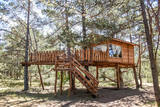 |
Camping, sauna by the sea, picnic places, rest in a romantic wooden house and accommodation in tents, canopy rental, rental of places for outdoor events. |
|
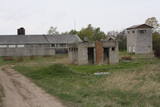 |
The former communications facilities at Pļavmalas are used as a farm warehouse at this time. They belong to a local farm.
|
|
 |
Take a tour of this lovely plant farm, which has more than 3,000 types of plants, including a wide range of water plants. You can purchase plants and receive consultations on growing them. |
|


